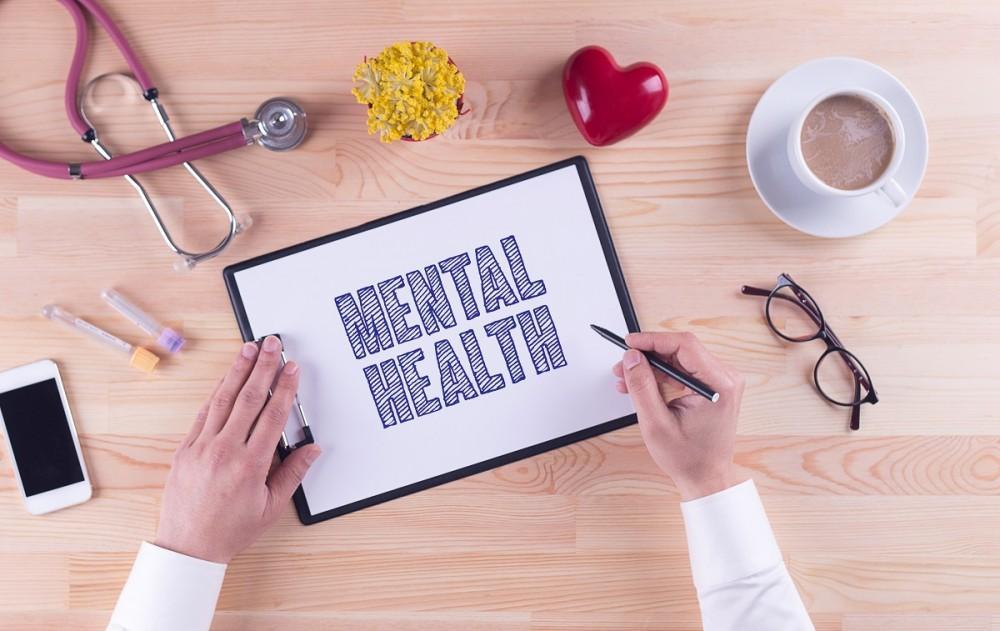
Mental health. We hear about it more these days, but honestly, it’s still often overlooked. People talk about physical health all the time—exercise, diet, sleep—but mental health? Not always. And yet, it’s just as important, maybe even more, because our mind affects everything we do.
Mental health is about how we think, feel, and act. It influences how we handle stress, relate to others, and make choices. Being mentally healthy doesn’t mean never feeling sad, anxious, or stressed—it means having the tools and support to cope when life gets tough.
Why Mental Health Awareness Matters
- Breaking Stigma
For decades, mental health issues were misunderstood. People were told to “just get over it” or “toughen up.” Awareness helps break these myths. Talking openly about mental health encourages people to seek help instead of hiding their struggles. - Early Intervention
The sooner we recognize signs of mental health challenges, the better the outcome. Awareness allows friends, family, and communities to notice symptoms early—like prolonged sadness, anxiety, or withdrawal—and support timely treatment. - Better Quality of Life
Good mental health means better relationships, productivity, and life satisfaction. When we understand mental health, we can adopt healthy coping strategies like mindfulness, exercise, proper sleep, and seeking therapy. - Support for Others
Awareness helps us recognize when someone close to us might be struggling. With knowledge, we can offer understanding, empathy, and guidance rather than judgment. - Reducing Mental Health Crises
Education about mental health can reduce severe outcomes like burnout, depression, or even suicide. Communities that value mental health support are safer, more connected, and more resilient.
Common Mental Health Challenges
- Anxiety Disorders – Constant worry, panic attacks, or fear
- Depression – Persistent sadness, lack of energy, hopelessness
- Stress and Burnout – Overwhelm from work, school, or life responsibilities
- Bipolar Disorder, PTSD, and Other Conditions – Often misunderstood, need professional care
Everyone experiences mental health differently. No one solution fits all. Awareness helps us recognize signs and provide appropriate support.
How to Promote Mental Health Awareness
- Education
Learning about mental health helps dispel myths. Understanding conditions, symptoms, and treatments is the first step toward compassion. - Open Conversations
Talk about mental health like you would physical health. Asking someone “Are you okay?” can make a difference. - Normalize Seeking Help
Therapists, counselors, and support groups are resources, not weaknesses. Encourage people to use them. - Self-Care Practices
Mindfulness, meditation, regular exercise, healthy eating, and proper sleep all support mental well-being. - Community Support
Schools, workplaces, and communities can organize workshops, webinars, and campaigns to raise awareness and reduce stigma.
Tips for Maintaining Good Mental Health
- Take breaks and rest when needed
- Practice gratitude and focus on positive aspects of life
- Connect with loved ones and maintain social bonds
- Avoid toxic environments or relationships
- Seek professional help when needed
Conclusion
Mental health awareness is not just about talking—it’s about understanding, supporting, and acting. Our minds shape our emotions, decisions, and relationships, so taking care of them is essential. By spreading awareness, we break stigma, promote early help, and build a society where people feel supported, not judged.
Remember: mental health is health. Physical and mental well-being go hand in hand. Being aware, compassionate, and proactive creates stronger, healthier, and happier communities.
Leave a Reply