
Back pain. It’s one of those things most of us experience at some point in life. Long hours at a desk, bending awkwardly, carrying heavy bags, even sleeping in the wrong position—it all adds up. And the root of a lot of this? Poor posture. Good posture isn’t just about standing tall and looking confident. It affects your spine, muscles, energy levels, and even mood. Luckily, small changes can make a huge difference.
1. Be Mindful of Your Sitting Position
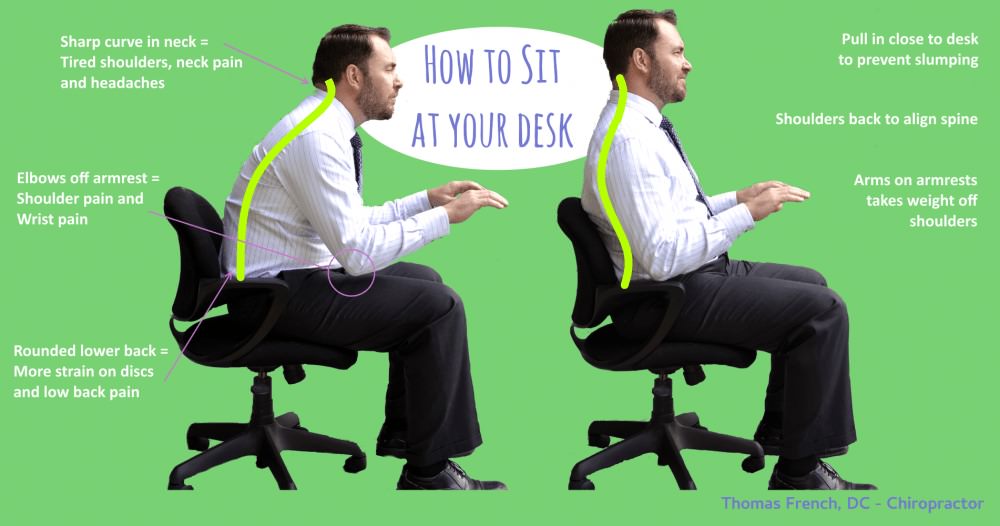
Sitting incorrectly for hours is one of the biggest causes of back pain. Simple tips:
- Keep your feet flat on the floor.
- Knees should be at a 90-degree angle.
- Avoid slumping or leaning forward.
- Use a chair with good lumbar support if possible.
Even small adjustments while sitting can prevent strain and reduce discomfort over time.
2. Strengthen Your Cor
Your core muscles—abs, lower back, and hips—support your spine. Weak muscles often lead to slouching and pain. Simple exercises like planks, bridges, or even gentle yoga can build core strength. Strong core = better posture = less back pain.
3. Stretch Regularly
Tight muscles pull your spine out of alignment. Stretching your chest, shoulders, hamstrings, and lower back helps release tension. Try to take short stretch breaks during work, especially if sitting for long periods. Even 5 minutes can make a difference.
4. Watch Your Standing Posture
Standing with slouched shoulders or leaning on one leg puts uneven pressure on your spine. Tips:
- Stand tall, ears over shoulders.
- Engage your core slightly.
- Distribute weight evenly on both feet.
It feels unnatural at first, but with practice, it becomes second nature.
5. Lift Objects Properly
Many back injuries happen while lifting. Remember:
- Bend at your knees, not your waist.
- Keep the object close to your body.
- Avoid twisting while lifting.
These simple techniques protect your back from unnecessary strain.
6. Adjust Your Workspace
Work desks and computers are major culprits of poor posture.
- Monitor at eye level.
- Keep keyboard and mouse within easy reach.
- Consider a standing desk or alternate sitting/standing.
Even small tweaks in your workspace can reduce tension in your neck and back.
7. Sleep in a Spine-Friendly Position
Your mattress and sleeping posture matter.
- Avoid sleeping on your stomach.
- Use a pillow that keeps your neck aligned.
- Side sleeping with a pillow between your knees helps keep the spine neutral.
A good night’s sleep is critical for back recovery.
8. Take Breaks and Move
Sitting or standing in the same position for hours strains muscles and joints. Set a timer to get up, walk, or stretch every hour. Movement keeps your back flexible and reduces stiffness.
9. Wear Supportive Footwea
High heels or unsupportive shoes can affect your posture and lead to back pain. Choose comfortable shoes with good arch support, especially if you stand or walk a lot.
10. Listen to Your Body
Back pain is your body’s way of telling you something’s off. Don’t ignore chronic pain. Gentle adjustments, stretching, and strengthening help, but persistent pain may require consulting a physiotherapist or doctor.
Extra Tips
- Stay hydrated; dehydration can make muscles tighter.
- Maintain a healthy weight—less strain on your back.
- Practice mindful posture checks during the day.
Conclusion
Improving posture and reducing back pain isn’t about quick fixes—it’s about consistency. Simple habits like sitting correctly, strengthening your core, stretching, adjusting your workspace, and moving regularly can drastically reduce discomfort over time. Your spine supports you every day; treat it well, and it will serve you for years to come.












Leave a Reply