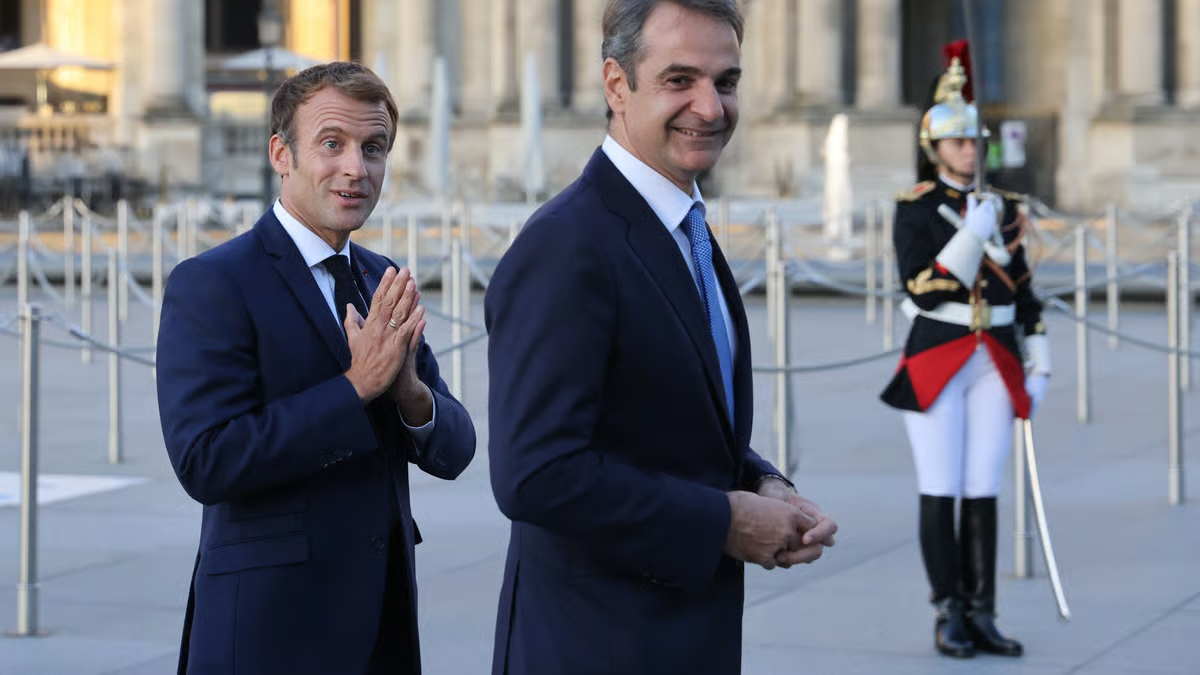
France and Greece have renewed their defence partnership, marking a significant step in strengthening security and military cooperation in Europe. This agreement reflects growing concerns over regional stability, geopolitical tensions, and the need for stronger alliances among European nations. The renewed pact not only reinforces bilateral relations but also highlights the evolving security landscape in the Mediterranean region.
Background of the Defence Agreement
The defence cooperation between France and Greece is not new. Both countries have shared strategic interests in maintaining stability in the Eastern Mediterranean, a region that has experienced rising tensions in recent years. The original defence pact, signed earlier in the decade, included mutual defence clauses and cooperation in military technology and operations.
The latest renewal extends this partnership for another five years, signaling long-term commitment and trust between the two nations. It also reflects their shared goal of enhancing European strategic autonomy, reducing reliance on external powers for security.
Key Features of the Deal
1. Mutual Defence Clause
One of the most important aspects of the agreement is the mutual defence clause. This means that if either France or Greece faces an external attack, the other country is committed to providing assistance. This clause strengthens deterrence and sends a clear message to potential adversaries.
2. Military Cooperation
The deal includes expanded cooperation in military training, joint exercises, and intelligence sharing. By working together, both countries aim to improve their operational readiness and response capabilities.
3. Arms and Technology Collaboration
France has been a key supplier of advanced military equipment to Greece, including fighter jets and naval vessels. The renewed agreement is expected to further strengthen defence industry ties, promoting technological exchange and innovation.
4. Focus on Mediterranean Security
The Eastern Mediterranean has become a strategic hotspot due to energy resources and territorial disputes. This partnership aims to ensure stability in the region and protect shared interests.
Strategic Importance of the Agreement
The renewed defence pact is significant not only for France and Greece but also for the broader European security framework.
Firstly, it reinforces the idea of European nations taking greater responsibility for their own defence. While NATO remains a key alliance, countries like France are advocating for stronger independent capabilities within Europe.
Secondly, the agreement strengthens deterrence in a region where geopolitical tensions are rising. By presenting a united front, both countries aim to discourage potential conflicts and maintain peace.
Thirdly, it enhances political and diplomatic ties between the two nations, fostering cooperation beyond military matters.
Regional and Global Context
The renewal of this defence pact comes at a time when global security dynamics are rapidly changing. Conflicts, shifting alliances, and competition for resources have made defence partnerships more important than ever.
In the Eastern Mediterranean, disputes over maritime boundaries and energy exploration have increased tensions among several countries. In this context, the France–Greece alliance plays a stabilizing role.
Moreover, the agreement aligns with broader European efforts to strengthen security cooperation. It complements initiatives aimed at improving defence coordination among European Union member states.
Economic and Industrial Impact
The defence deal is also expected to have economic benefits. Increased collaboration in defence manufacturing can create jobs, boost industrial growth, and enhance technological capabilities in both countries.
For Greece, acquiring advanced military equipment helps modernize its armed forces. For France, defence exports support its domestic industry and reinforce its position as a leading global arms supplier.
Challenges and Criticism
Despite its advantages, the agreement has also faced some criticism. Some analysts argue that increased military spending could divert resources from other important sectors such as healthcare and education.
Others raise concerns about escalating tensions in the region, suggesting that military alliances could contribute to an arms race. However, supporters of the deal emphasize its role in deterrence and maintaining stability.
Future Outlook
The future of the France–Greece defence partnership looks strong. As security challenges continue to evolve, both countries are likely to deepen their cooperation further. The agreement may also serve as a model for other bilateral defence partnerships within Europe.
Conclusion
The renewed defence deal between France and Greece represents a strategic move to strengthen security, enhance cooperation, and ensure stability in a complex geopolitical environment. By reinforcing their alliance, both nations are better prepared to مواجهة emerging threats and contribute to a more secure Europe.
Leave a Reply