
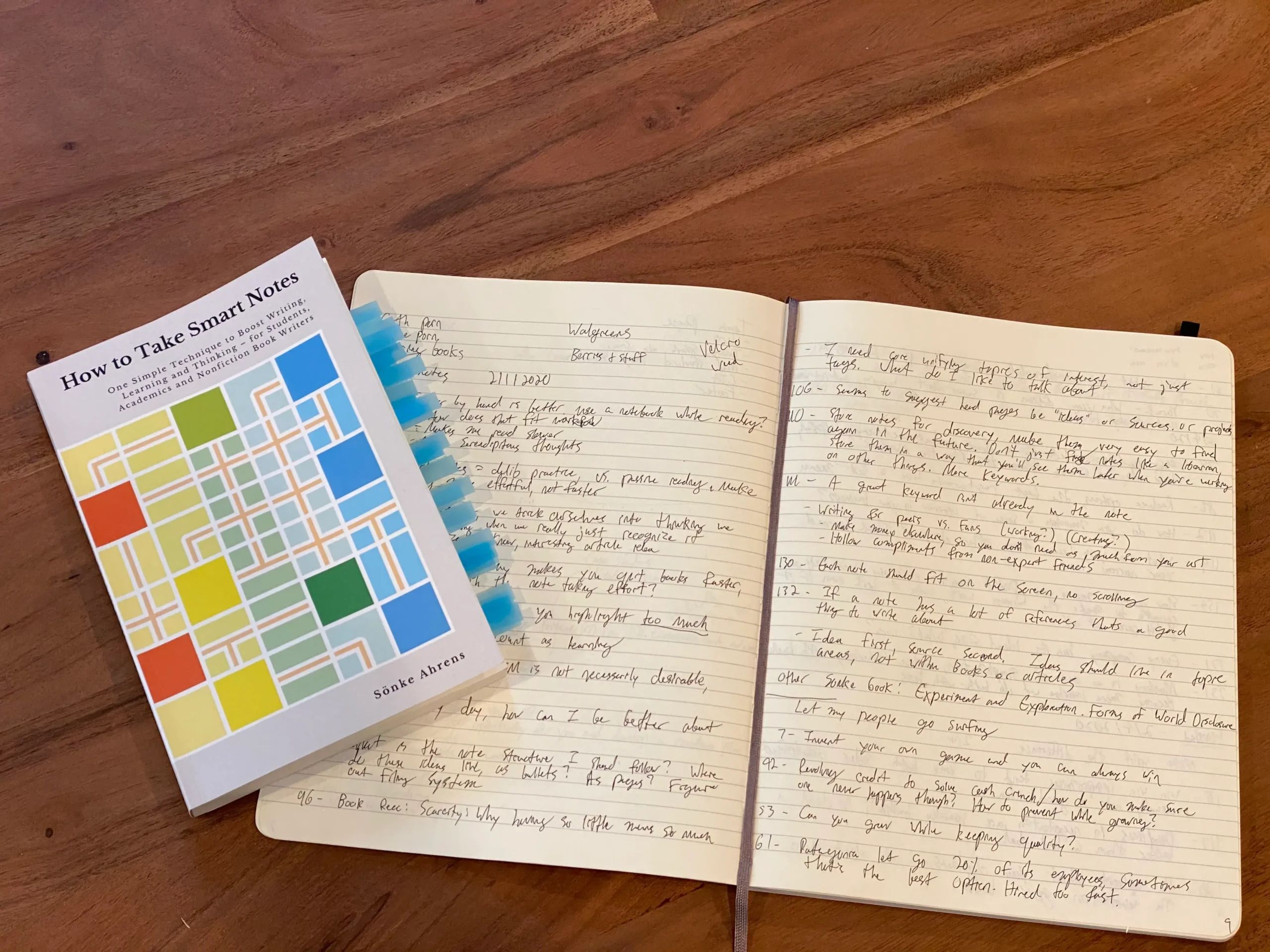
Notes. Simple word, huge impact. But let’s be honest, most students struggle with it. Some just jot down everything, hoping they’ll remember it later. Others rely on memory alone, only to panic when exams come. Taking smart notes isn’t about writing everything or copying textbooks. It’s about capturing the right information in a way that makes your brain work for you, not against you.
Understand Before You Write
First thing, don’t write blindly. Listen or read with the intent to understand, not just record. If you don’t get the concept, writing it down won’t help. Ask questions while you learn: Why is this important? How does it connect to other topics? When you understand, the note-taking process becomes meaningful, not mechanical.
Top students don’t just write; they process. That’s the difference between notes that sit in a notebook gathering dust and notes that actually help you ace exams.
Use Your Own Words
Copying word-for-word might feel safe, but it doesn’t stick. The act of rewriting ideas in your own words forces your brain to make sense of the material. Paraphrasing helps with understanding and recall. It’s okay if your notes aren’t perfect grammar or complete sentences. Fragments, doodles, arrows—anything that helps you remember counts.
Don’t worry about looking “academic.” The notebook is for you, not anyone else.
Structure Matters
Chaos in notes equals chaos in memory. Use headings, subheadings, bullet points. Highlight key terms or concepts. Indentation can show hierarchy—main ideas first, details later. Color coding is optional but helpful. Maybe blue for definitions, red for examples, green for formulas. Just don’t overdo it—too many colors can actually be distracting.
A well-structured note page is like a mini-map. When you review, you immediately see the big picture and the details. No hunting through scribbles or random lines.
Use Visuals
Humans are visual creatures. Diagrams, flowcharts, timelines—they all help your brain grasp complex ideas faster than plain text. Even small sketches or arrows linking ideas can make a difference. Mind maps are especially powerful for connecting topics.
You don’t need to be an artist. Stick figures, boxes, arrows—they work perfectly. The goal is clarity, not beauty.
Make It Active
Smart notes aren’t just for recording; they’re for engaging. Ask yourself questions while taking notes. Add examples or relate it to something you already know. Highlight contradictions, patterns, or connections. Active note-taking turns passive reading into learning.
Some students write “review later” in the margins. Others summarize paragraphs in one sentence. Both methods force your brain to interact with the material instead of just transcribing.
Review and Revise
Notes aren’t finished the moment you write them. Top students revisit notes, preferably within 24 hours. This is where the magic happens. Revising helps transfer information from short-term to long-term memory. During review, add missing details, clarify points, or rewrite confusing parts.
Don’t just flip pages. Test yourself with your notes. Cover sections and recall, explain concepts aloud, or turn headings into questions. This active review is what makes your notes truly smart.
Organize Digitally or Physically
Some swear by notebooks, others by apps. Either works as long as it’s organized. Physical notebooks are tactile and often easier for memory. Digital notes are searchable, portable, and easy to back up. Whatever you choose, consistency matters. Keep related notes together, date them, and label clearly. Messy or scattered notes defeat the purpose.
Keep It Concise
Notes aren’t meant to be textbooks. Avoid writing everything. Focus on concepts, keywords, formulas, examples, and connections. Long paragraphs are hard to scan and review. Short, clear points make revising faster and more effective.
Remember: notes are your memory aid. They should save you time, not add extra work later.
Final Thought
Taking smart notes isn’t about fancy pens or perfect handwriting. It’s about strategy: understand before you write, structure your ideas, engage actively, use visuals, and review consistently. Smart notes save time, reduce stress, and make studying far more efficient.
Top students don’t just take notes—they turn notes into a tool for understanding, recalling, and applying knowledge. Start practicing these strategies now, and your study sessions will become more productive, your memory sharper, and your exam prep far less stressful. In the end, notes aren’t just words on a page—they’re the foundation of real learning.














Leave a Reply