
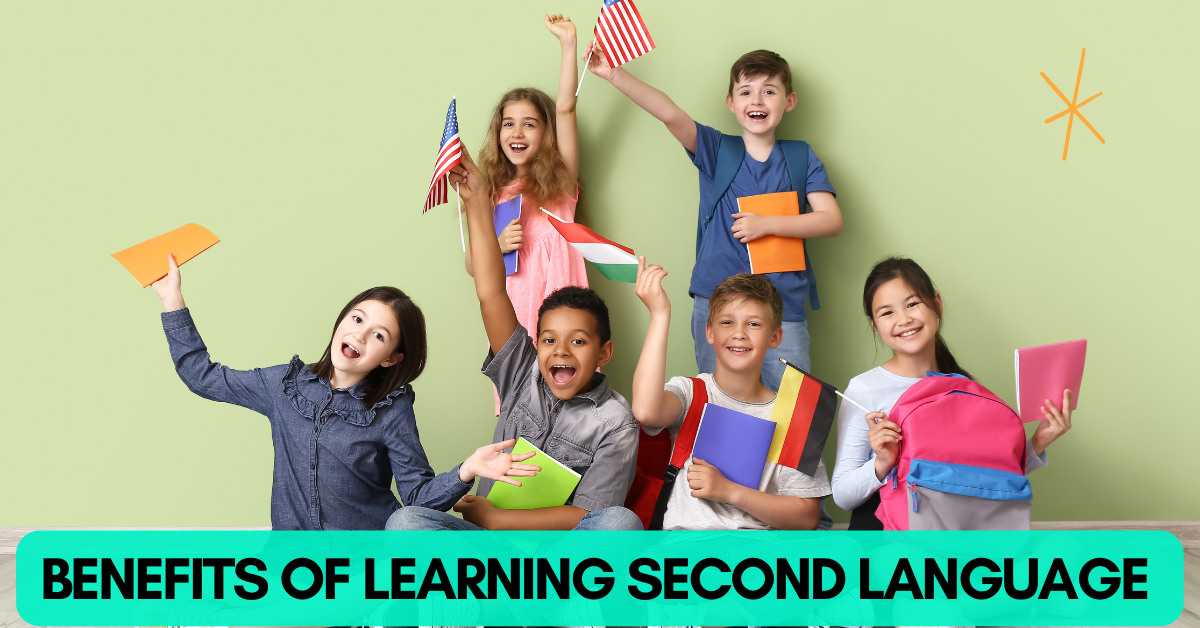
Most people think learning a second language is just about talking to more people. Sure, that’s part of it. But the benefits run deeper—into your brain, your identity, how you see the world, even your future paycheck (not kidding). Picking up another language isn’t simply a hobby; it’s an upgrade to how you experience life.
And before you say, “I’m too old, too busy, too bad at languages,”—relax. Humans are built for language. It’s what we do.
Let’s look at why a second language is worth the trouble.
A Workout for Your Brain
When you learn a new language, your brain literally changes shape. Not dramatically, like a sci-fi mutation. But neurologically, new pathways form. Communication between neurons speeds up. Studies have shown stronger gray matter density—the stuff linked to memory, attention, and decision-making—in bilingual individuals.
It’s like your brain gets new wiring.
Cleaner. Faster. Sharper.
People who speak more than one language often show:
- Improved memory
- Better focus
- Faster problem-solving
- Stronger multitasking skills
You train your brain to switch between systems, which translates into quicker mental flexibility in everyday life. Even simple tasks—like remembering directions or making decisions—can get easier.
Makes You Better at Your First Language
A funny thing happens when you learn a second language: You start noticing your native tongue more. You understand grammar rules you never thought about. You notice words and sentence rhythms. You learn how language works—not just how to speak it.
Kids who grow up bilingual often perform better in reading and writing in both languages. Adults, too, become more intentional communicators. You choose your words more carefully. You listen more, because you’ve trained to pay attention to cues.
Basically, you get smarter about how you speak. Even in your original language.
Long-Term Brain Health
There’s a big one here—bilingual people tend to have stronger resistance to cognitive decline later in life. Alzheimer’s and dementia often appear later in bilingual adults compared to monolingual ones. Learning a second language builds cognitive reserve, giving your brain more tools to stay active and resist damage.
It’s like long-term insurance for your mind.
Sure, learning Spanish won’t make you immortal, but it may help keep you clearer, sharper, longer.
Career & Opportunity Boost
In a global world, speaking only one language can feel… limiting. Companies increasingly look for employees who can communicate across cultures. Multilingual candidates often earn more, get better job offers, and have more chances to work abroad.
Industries that benefit:
- Business & marketing
- Diplomacy
- Healthcare
- Education
- Travel
- Tech
- Translation/interpreting
Even if you don’t plan to move overseas, being bilingual is like having a Swiss-army knife in your resume. It signals adaptability and cultural awareness—skills employers love.
Travel Becomes Real
Tourists see places. Speakers experience them.
There’s a difference between reading a menu by guessing and actually understanding what you’re ordering (and not accidentally ending up with something… questionable). When you speak the language—even just conversationally—you connect more deeply. People open up, tell stories, treat you not just as a visitor but as a participant.
You travel not just through places but through cultures.
Honestly, some of the most meaningful travel moments come from simple conversations—a café owner telling you about her grandmother’s recipes, or a cab driver explaining the history of the street you’re on. Language unlocks doors you didn’t even know were there.
Cultural Understanding & Empathy
Learning a language is learning the way another group of people sees the world. Some languages don’t have words for things you’ve always assumed were universal. Others have five words for “love,” or ten for “snow,” or particular phrases that just don’t translate.
You realize how language shapes thought. You understand jokes you couldn’t before. You appreciate traditions, values, and perspectives without seeing them through only your cultural lens.
That’s empathy—real empathy. You stop thinking your way is the way. Instead, it becomes a way.
The world grows bigger.
Confidence—Even When You Feel Silly
Speaking a new language is awkward at first. You mess up. You say “pregnant” instead of “embarrassed” (it’s a real mistake in Spanish—embarazada). You sound like a toddler. It’s humbling.
But when you stick with it, every little win builds confidence. Ordering coffee. Asking directions. Holding a conversation for five minutes. You realize you can communicate in an entirely new system. That’s empowering.
You carry that confidence into other aspects of life—work, relationships, creativity. It’s proof you can learn, adapt, survive discomfort, grow.
A Gateway to More Learning
Once you learn one language, others come easier. You understand patterns—grammar structures, word roots, language families. Italian makes Spanish easier. Spanish makes French easier. And so on.
You also develop discipline: daily practice, patience, problem-solving. Learning habits spill into other areas. You become a better learner—not just of language, but of almost anything.
A Deeper Sense of Identity
For some people, a second language reconnects them to their ancestral culture. For others, it creates a new layer of identity. You start thinking differently, literally. Bilingual people sometimes say they feel like a slightly different version of themselves in each language.
Not fake. Just… expanded.
You access new humor, new emotional expression, new ways to describe your own thoughts. You grow into multiple dimensions.
Conclusion
Learning a second language isn’t just about saying more words. It’s about thinking differently, exploring deeply, opening doors—sometimes doors you never knew existed. It strengthens your brain, your empathy, your career, your confidence. And it gives you another voice, another world to belong to.
Plus, it’s just fun. A puzzle that reveals pieces of people and stories and histories.
You don’t have to be fluent. You just have to start. Ten minutes a day. One word at a time.
And before you know it, the world becomes just a little bigger—and so do you.











Leave a Reply