
Introduction
We hear a lot these days about climate change, about plastic in the oceans, about species disappearing. Big stuff. But sometimes the focus becomes so large, it sweeps over us — and we ask: what can I do? What difference does one person make? That’s where environmental learning comes in. When we learn — deeply — about our environment, about how we interact with it, how we impact it, how systems work, then change doesn’t feel like it’s “out there”, distant. It feels personal. It feels real. Change starts with you.
What is Environmental Learning?
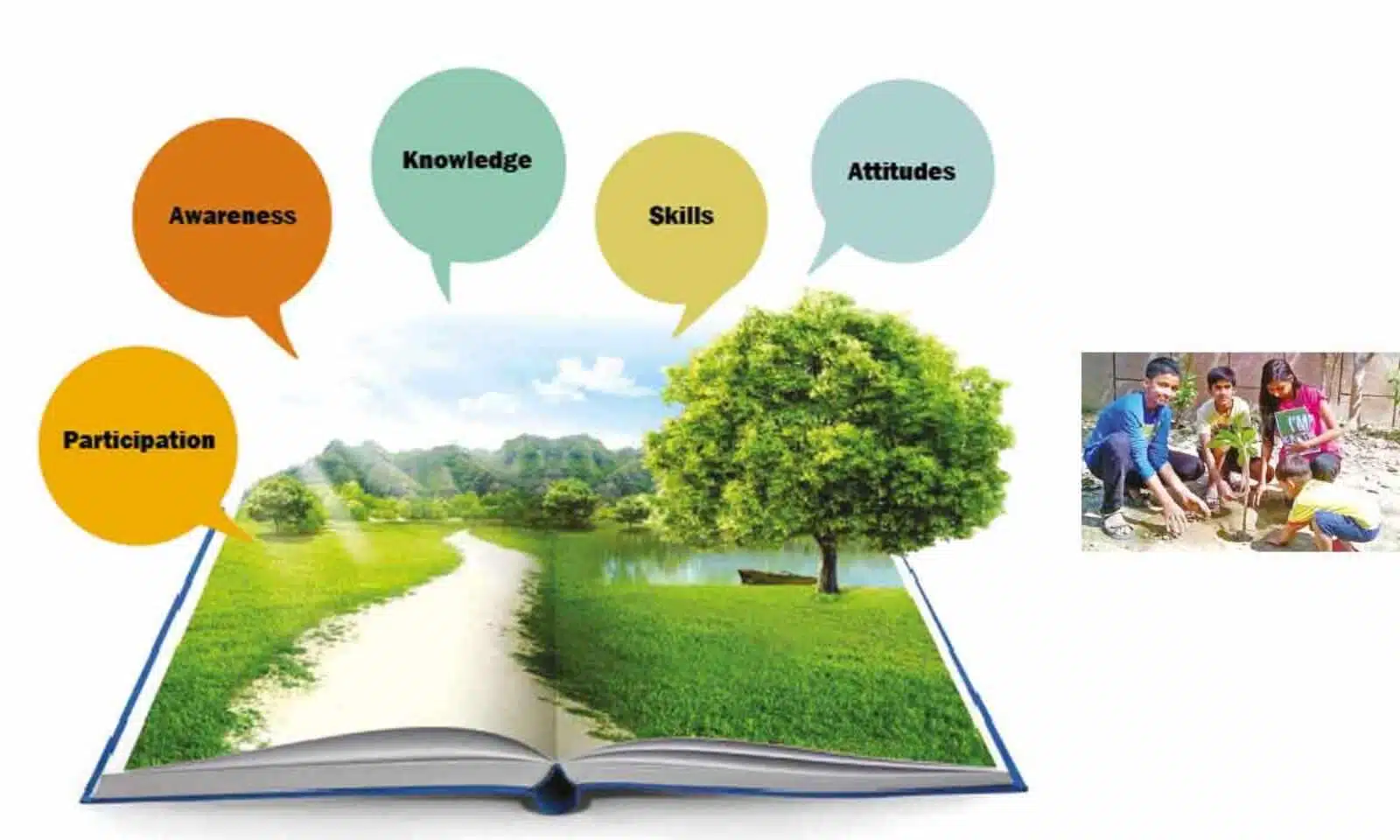
Environmental learning is more than memorising species names or recycling rules. It’s about building understanding: how ecosystems function, how human actions affect them, how our lives are intertwined with nature. It also means developing skills and attitudes: critical thinking, willingness to act, to change habits, to speak up.
Research supports this: for example, the study in Environmental Education found that higher levels of environmental literacy + awareness of ecological footprint were significantly linked with more positive pro‑environmental behaviours in adults. BioMed Central
Another study showed that field‑based, outdoor “earth education” (hands‑on, real world) improved not just knowledge, but attitudes and self‑reported behaviours among students. PMC
And still another found that integrating environmental education into K‑12 curricula supports not just environmental awareness but broader skills like creativity, collaboration, future readiness. neefusa.org+1
So: environmental learning is both understanding + doing + becoming.
Why It Matters – Because You & Me & the Earth Are Connected
We often think “environmental issues” are far away: melting ice caps, rainforest deforestation, polar bears. They are far, but they’re also here. When you waste water, when you drive instead of walk, when you buy single‑use plastic because it’s easier, that ripple goes somewhere. Learning about the environment makes those ripples visible. It makes the connection visible: our choices → local ecosystems → global outcomes.
For instance: in one study, improved “green space” access for kids improved their cognitive and behavioural development. That implies that healthy environments aren’t only about trees and wildlife — they are about us, our brains, our communities. The Guardian
When you realize that, then change doesn’t seem optional. It becomes sensible.
How Environmental Learning Happens – At Personal Level
It starts with you. But also, with your context: your home, your school, your community. Here are some practical ways environmental learning can be fostered by individual action, and how you might engage with it:
- Observation & Curiosity – Look around: what kinds of plants and animals live near you? What happens when it rains? What waste goes out of your home? What energy you use? Asking questions builds curiosity, and curiosity is the seed of learning.
- Hands‑on Activities – Learning by doing: this could be gardening, composting, beach or park clean‑ups, tracking your household waste, analysing your consumption. Studies show outdoor and direct activities boost awareness and behaviour change more than purely theoretical lessons. MDPI+1
- Reflecting & Connecting – After doing, reflect: how did that make me feel? What did I learn? What surprised me? How does this connect to a bigger picture (ecosystem, climate, economy)? That sets knowledge into context.
- Changing Habits – Small things matter: maybe you choose to walk / bike when you can, reduce single‑use items, conserve water, eat a little less meat. These may seem small but when many individuals commit, it adds up. And learning helps you recognise where change is highest‑impact.
- Sharing & Teaching – You don’t have to be a teacher. But when you talk about what you’ve noticed, invite others, organise a small group or join a local action, you amplify your learning and encourage others.
- Advocacy & Community Action – When you’re comfortable with your own learning, you might step into broader roles: engaging local policy, pushing for green spaces, asking for sustainable practices at work or in your community. Because learning empowers voice.
How Environmental Learning Happens – At Institutional / Societal Level
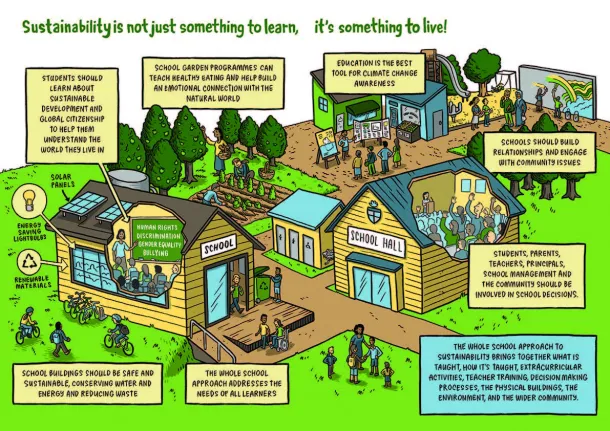
Yes, you matter. But you also live in a system. Schools, workplaces, communities, governments matter too. The research shows that institutions that integrate environmental education get stronger outcomes. For example:
- A study found that “why forest is important” activities improved environmental literacy and ethics among secondary school students. so06.tci-thaijo.org
- Others note that when learning environments (schools, educational programs) are designed to co‑create sustainable development learning with values, local leadership, empowerment built in — they’re more successful. arXiv
- Schools and curricula that tie environmental education to real‑world issues, cross‑disciplinary learning, and encourage student participation, create stronger behavioural change. neefusa.org+1
This means: change at scale requires structures that support the individual learner. Which in turn means the “you” in “Change starts with you” is also embedded in broader contexts.
The Obstacles – Learning Isn’t Always Easy
Let’s be honest: doing this well is messy. There are barriers.
- Knowledge doesn’t automatically become action – You can know many things, but not act. Though research shows literacy and awareness boost behaviour, the leap isn’t guaranteed. BioMed Central+1
- Habit, comfort, convenience – We live in systems built for ease: car culture, single‑use plastics, consumption. Learning clashes with those.
- Access & equity – Some communities have less access to green spaces, less educational resources, less voice in policy. Environmental learning must be equitable.
- Scale & complexity – Environmental issues are complex, global, interlinked. Learning them fully is hard. It’s easy to feel overwhelmed.
- Superficial learning – If environmental education is purely theoretical, or disconnected from lived experience, the impact is limited. The studies emphasise hands‑on, context‑based learning. ejournal.seaninstitute.or.id+1
But knowing the obstacles helps us navigate them. We don’t need perfection; learning + action, imperfectly, adds up.
Why “Change Starts with You” is More than a Slogan
When you internalize environmental learning, you shift from being a passive consumer of the world, to being a participant in the natural‑human system. And that shift matters for several reasons:
- Agency – You begin to realise you can influence change. You’re not just subject to big forces; you have a part to play.
- Ripple effects – One person’s behaviour influences others. If you reduce waste, the people around you notice; community norms start shifting.
- Feedback loops – When you act, you see results (sometimes small, sometimes big). That reinforces learning; you refine, you grow.
- Better decisions – Environmental learning gives you tools: to question products, to understand trade‑offs, to prioritise sustainability in your choices.
- Cultural shift – If enough individuals engage, societal values shift. The market shifts, policy shifts, systems shift. It begins with micro‑changes, grows into macro.
So yes, “you” matter. Your actions matter. And learning is the spark.
A Vision for How It Might Look in Everyday Life
Let’s imagine a typical day, but through the lens of someone practicing environmental learning.
Morning: you wake, take a shower. You think: “Okay, water usage…” Maybe you shorten your shower by a minute. You check your phone — you read a short article about local green spaces. Your curiosity grows.
During commute: you choose the bus or bike instead of drive. On the way you notice how the air smells, how many cars there are. You reflect: “If more chose this, traffic & emissions drop.”
Workday / school day: you suggest a small initiative — bring a reusable mug, skip single‑use plastics, have a lunch‑and‑learn about local water cycle, invite a speaker about local ecosystem. You share what you learned: that local wetlands act as sponges for floods.
Evening: you prepare dinner — you look at your plate: where did this food come from? Could you choose a local, seasonal vegetable? You read that food transport and storage contribute a lot of emissions. You decide to try a plant‑based meal one night a week.
Weekend: you join a clean‑up at a park, or plant a native tree, or go on a nature walk and notice invasive species. You talk with friends: “Did you know this species is non‑native and alters the habitat?” You bring it up casually.
Reflection: you write in a journal: “Today I learned…” you note feelings, your challenges, your successes. You commit to one change next week.
And then: you talk about it with others. You invite a friend on the walk. You encourage your team at work to think about waste streams. You bring up the topic at a dinner conversation.
That’s how environmental learning + personal change interweave. You become a node in the environmental learning network.
Conclusion
So — to circle back: environmental learning isn’t optional anymore. It’s essential. Because our planet is under pressure; our societies are interconnected; our individual decisions matter. But learning alone is not enough; it must lead to change. And that change begins with you: your curiosity, your habits, your willingness to learn, act, share.
Yes, it’s imperfect. You’ll forget. You’ll slip up. You’ll feel small compared to the scale of the challenges. That’s okay. What matters is persistence. What matters is starting. And sustaining. Because when many people adopt this mindset, many micro‑changes add up to macro‑shifts.
So I invite you: pick one thing you’ll learn this week about the environment. Feel it in your bones. Make one small change. Share it. And watch how your view of “you and the world” begins to shift. Because change does start with you.





Leave a Reply