
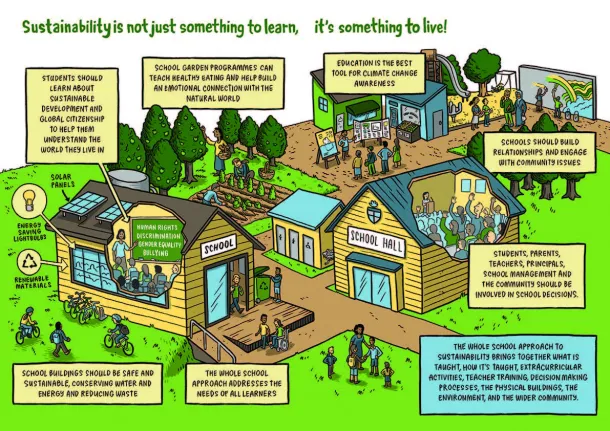
We live in a world that’s changing fast. Technology is everywhere. Climate change is real. Societies are facing new challenges every day. In this situation, education cannot stay the same. Traditional classrooms, old methods, memorizing facts—they are not enough anymore. We need smart education. And no, it’s not just about computers or online classes. It’s about learning in a smarter, more connected, more meaningful way. A way that helps us build a world that lasts.
What is Smart Education?
Smart education is learning that uses technology, yes, but also focuses on understanding, creativity, problem-solving, and sustainability. It adapts to each learner. If someone struggles with a topic, they get help. If someone is ahead, they get challenges. It’s about personal growth, not just scores. It also connects learning with the real world. Students don’t just read about climate change—they measure air quality, plant trees, or find ways to reduce waste in their communities.
Why Smart Education is Important for a Sustainable World
- It helps people learn to solve real problems.
The world faces big issues: pollution, water shortages, poverty. Smart education teaches students to think critically and find solutions, not just memorize theories. - It makes learning accessible.
With smart tools, learning can reach people anywhere—even remote areas. Everyone deserves a chance to learn, grow, and contribute to a sustainable future. - It builds the skills of the future.
Students learn creativity, collaboration, digital literacy, and systems thinking. These are the skills needed to tackle complex challenges and work together to build sustainable societies. - It encourages responsible behavior.
When students see the impact of their choices—like wasting energy, throwing trash, or polluting water—they understand sustainability is about action. Smart education makes learning connected to life.
Challenges of Smart Education
Smart education sounds perfect, but it has challenges. Not everyone has access to technology. Teachers need training to use new tools effectively. Schools must balance technology with good teaching methods. And sometimes, gadgets are there but real learning doesn’t happen. Smart education works only if we plan carefully and focus on both learning and sustainability.
How We Can Make It Work
- Include sustainability in lessons. Teach students about the environment, society, and economy together.
- Use technology wisely. Smart tools should help learning, not replace teachers.
- Train teachers and support students. Everyone needs skills and confidence to use new methods.
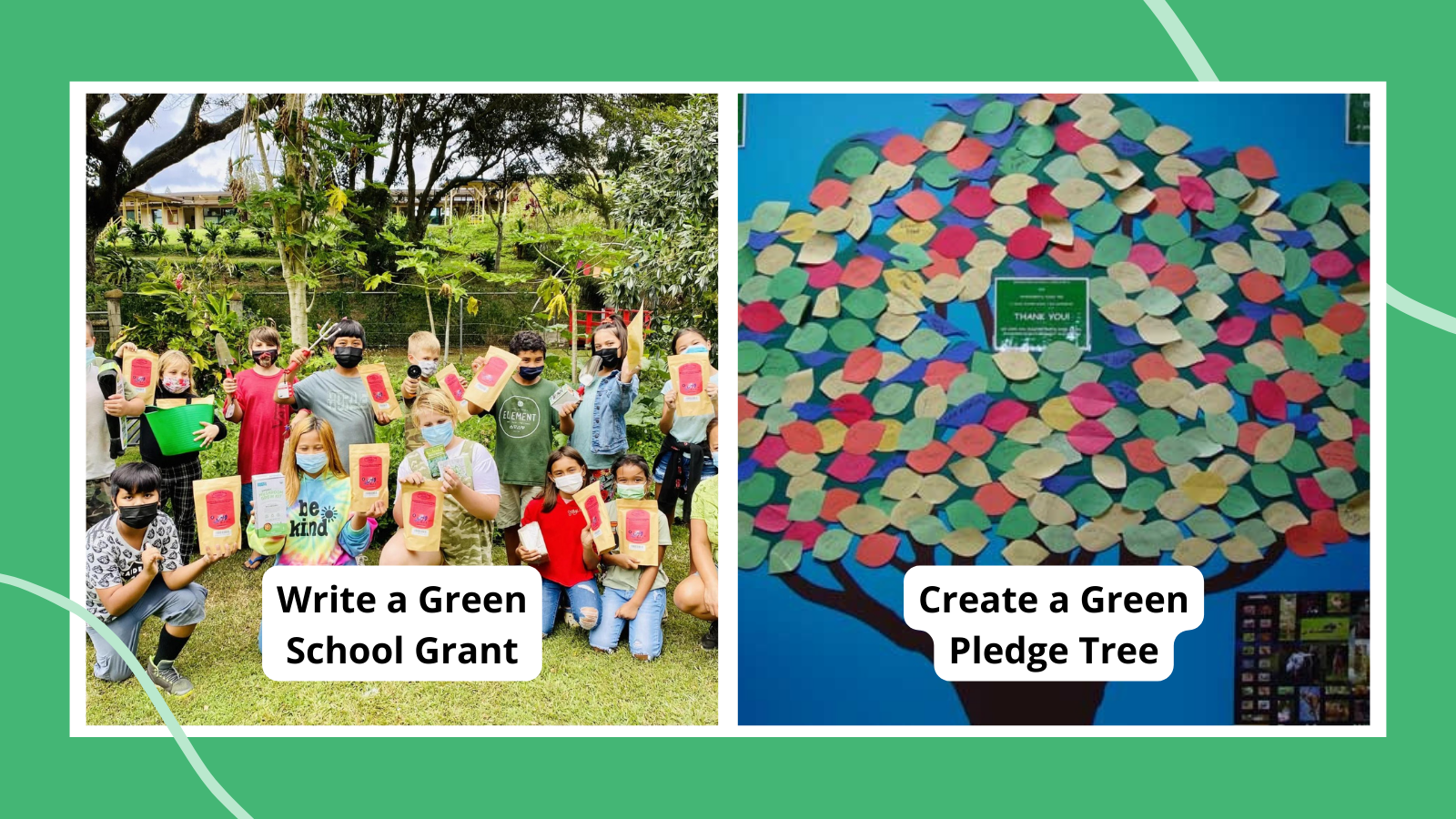
- Encourage hands-on projects. Let students take action in their communities: plant gardens, clean rivers, or track energy use.
- Focus on equality. Make sure every learner, no matter where they live, can benefit.
Conclusion
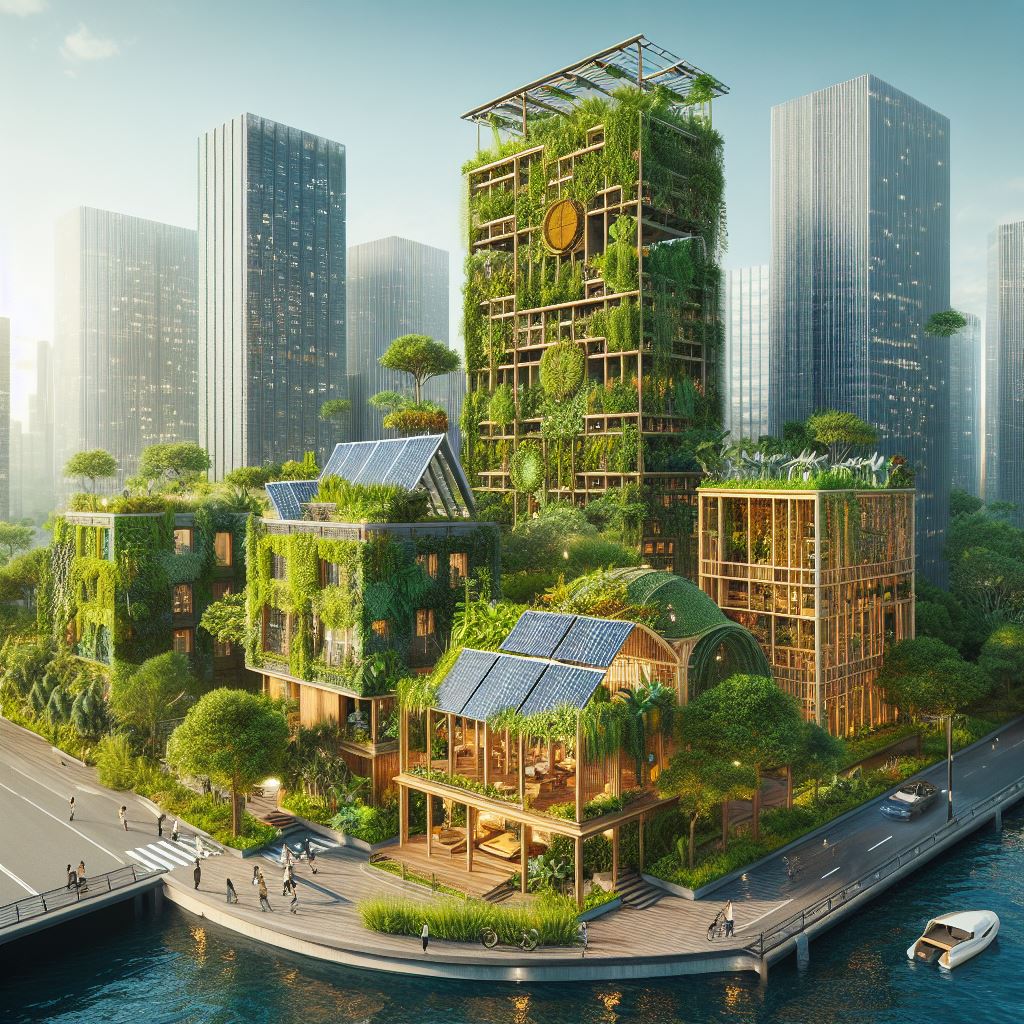
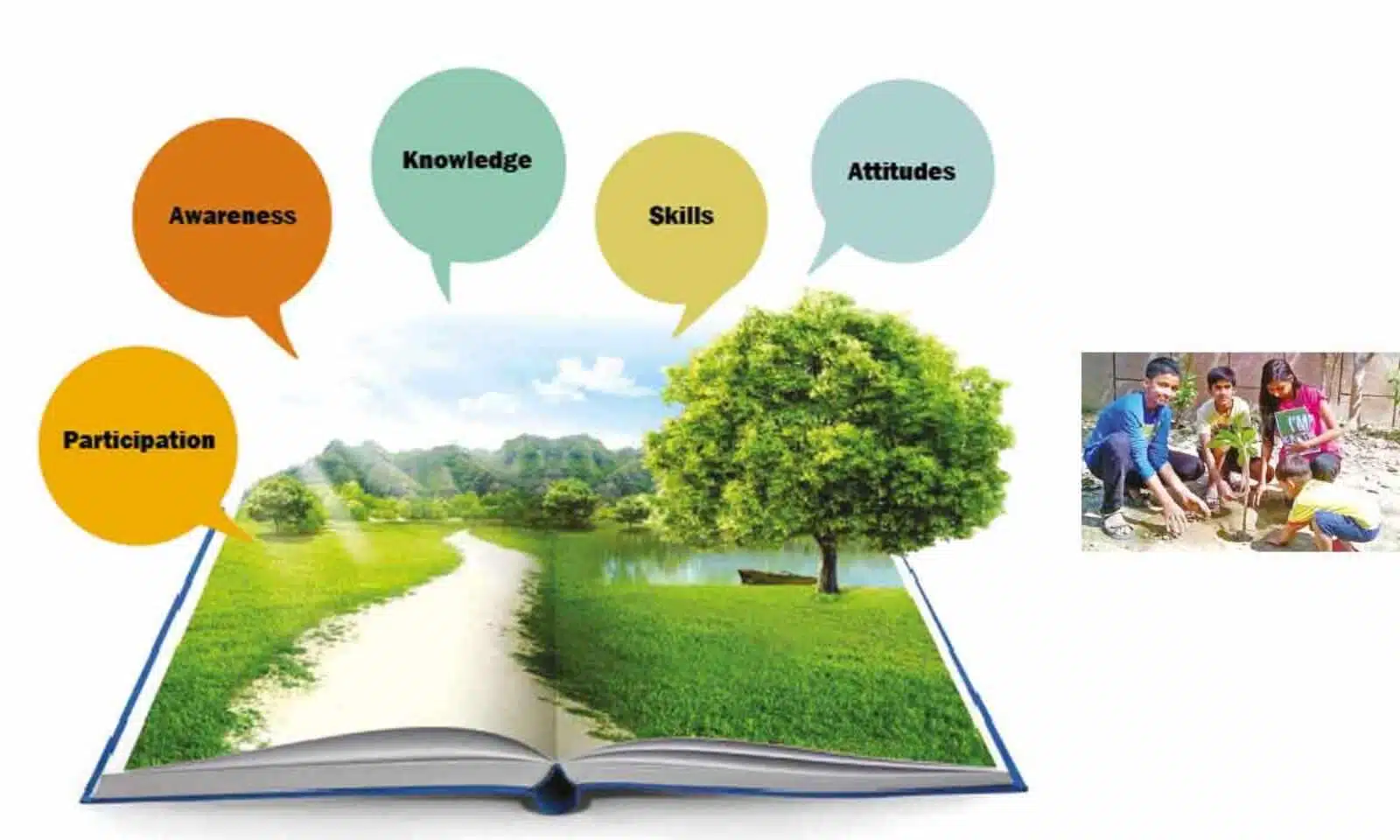
The world is changing fast. If education doesn’t change, we’ll be unprepared. Smart education can help us create a world that is sustainable, fair, and strong. It teaches not just facts, but skills, awareness, and responsibility.
Every learner, teacher, and school can play a part. Small actions—like saving energy, planting trees, or using technology for learning—can add up. Smart education for a sustainable world ahead starts with each of us. Change begins in classrooms, homes, and communities. And from there, it spreads to the world.







Leave a Reply