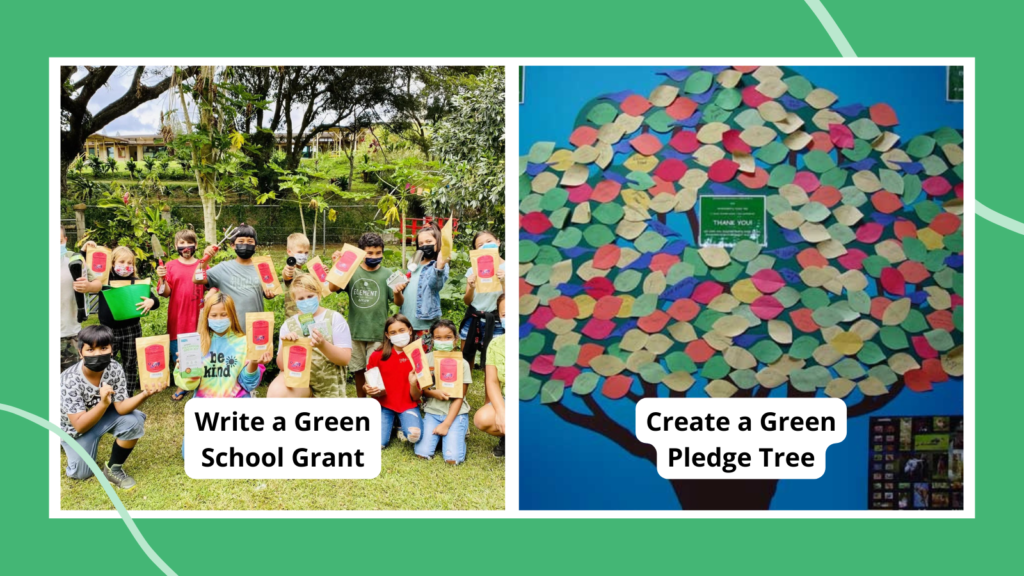
In our hurry to develop, expand cities, boost economies and adopt modern comforts, we’ve often overlooked one key thing: the planet that supports us. That’s where eco-education — sometimes called environmental education or “eco-literacy” — enters. It isn’t just about planting trees (though that helps). It’s about learning, understanding, feeling and acting so that individuals and communities make better choices for our shared home.
What is Eco-Education and Why It Matters
At the heart, eco-education means giving people knowledge, attitudes and skills so they can act in environmentally responsible ways. A helpful definition: “environmental education … is a key element of a conscious approach to environmental protection and sustainable development.” Naturalnie w Równowadze
It enables learners to see how the natural world functions, how human actions affect it, and how they might respond.
Why is that important?
- We’re facing large-scale issues: climate change, biodiversity loss, pollution, resource depletion. Without awareness, we risk accelerating damage. Naturalnie w Równowadze
- Educational research shows that eco-education can foster positive changes: In one study with university students, more environmental education correlated with more ecologically friendly behaviour, especially when mediated by a sense of responsibility. MDPI
- For younger learners, hands-on outdoor environmental programs improved both knowledge and attitudes. PMC
In short: teaching about the environment empowers. It creates more than passive awareness — it builds potential for action.
Where Eco-Education Happens: From Classroom to Community
Eco-education isn’t confined to one type of setting. It spans formal schooling, informal community programmes, everywhere. A few frameworks to highlight:
- The global programme Eco‑Schools helps schools integrate sustainability into their curriculum and operations. Research shows that students in Eco-Schools fairs somewhat better on environmental knowledge than those not participating — though attitudes/behaviours vary. Children & Nature Network+2ERIC+2
- For early childhood education: programmes that teach sorting waste, plant care, understanding ecosystems in simple terms show promise in building eco-literacy from the start. jurnal.uibbc.ac.id
- Teachers integrating environmental education into language classes (e.g., English) found that students more actively engaged when the topic connected to real-world ecological issues, not just abstract facts. MDPI
Key takeaway: Eco-education works best when it is embedded into real life — field trips, hands-on activities, local context — not just lectures about “the planet.”
Core Components of Effective Eco-Education
What elements make eco-education effective? Research suggests several:
- Knowledge: Understanding of ecological systems, human impacts, resource cycles. Without this base the rest is shaky. PMC+1
- Attitudes & Values: A sense of connection, responsibility, agency. If learners see themselves as powerless, education stalls. Studies show that environmental responsibility mediates the effect of eco-education on behaviour. MDPI
- Skills & Behaviour: Critical thinking, decision-making, problem-solving. For example: Can a learner evaluate a product’s environmental impact, choose a better option, reduce waste? One study found these skills improved via outdoor programs. PMC
- Context & Experience: Local relevance, lived experiences, green elements in the learning environment. A school with green spaces, active teaching methods, environmental policy performed better in student outcomes than one without. Children & Nature Network
- Sustained Engagement: Short bursts help, but long-term, consistent integration is what builds habit. Many programmes fail if they are one-off.
In short: eco-education isn’t just “teach a lesson about climate change.” It’s about building a culture of awareness and action.
Challenges & Pitfalls
Nothing is perfect. Eco-education faces obstacles, many of them human. Here are some:
- Knowledge vs behaviour gap: Even when students learn facts, they don’t always change behaviour. For example, Eco-Schools increased knowledge but behaviours didn’t always follow proportionally. Children & Nature Network+1
- Teacher preparedness: Some teachers struggle to integrate environmental topics because they lack training or see them as “extra,” rather than integrated. Dergipark
- Curriculum overload & priorities: Schools are busy; adding eco-education without coordination can mean it gets sidelined.
- Context-dependency: What works in one region may not in another. For instance, cultural values, resource availability, local ecology matter.
- Short term vs long term: One project or day of activity can spark interest, but long-lasting change demands ongoing support, follow-up, and structural shifts.
Being aware of these pitfalls helps design better programmes.
Practical Steps: How to Foster Eco-Education (for Schools, Communities, Individuals)
If you want to advance eco-education — maybe you’re a teacher, parent, community organiser — here are practical ideas:
- Embed environment across subjects: Don’t treat it as an addon. For example, in maths measure rainfall, examine statistics of waste, in language classes write about local ecological issues.
- Use hands-on, real-world activities: Gardening, waste audits, local river clean-ups, school green teams. Experience builds connection.
- Enable student agency: Let learners make decisions, lead projects. When they own it, the motivation increases.
- Link local context to global issues: Show how what happens locally matters for the planet, and vice versa.
- Make green space part of everyday life: Schools with gardens, trees, outdoor learning spaces show better outcomes for eco-learning. Children & Nature Network
- Train and support teachers: Provide resources, professional development, peer sharing. Without teacher buy-in, it falters.
- Connect with community partners: NGOs, local government, field experts, can bring real world in.
- Evaluate and reflect: Track not just knowledge, but attitudes and behaviour over time. Use feedback to improve.
- Scale long-term: Move from one-off events to embedding eco-education into institutional culture.
Why This Matters for the Planet
Let’s pause and think: Why invest energy in eco-education? Because the stakes are high. Our planet is under pressure, and we need more than technology or policy alone. We need a citizenry that understands, cares and acts.
- With better eco-literacy, people can make more sustainable choices: in consumption, transport, waste, energy.
- When future generations are educated in this way, behaviours may shift from “throwaway culture” to “steady state thinking.”
- Societies where environmental responsibility is a norm are more resilient — when facing disasters, resource shocks, climate change.
- Finally, eco-education is part of justice: many vulnerable communities face the worst environmental impacts; education empowers them to engage.
In fact, the literature emphasises that “only an informed society can better understand the effects of its actions on the planet and learn how to implement environmentally friendly practices.” Naturalnie w Równowadze
A Vision: What a Greener Future Could Look Like
Imagine: Schools where students spend time outdoors, observe insects, test water samples, talk about land-use change. Communities where neighbours collaborate on gardens, bicycles replace some car journeys, you see less single-use plastics and more shared reuse systems. Policymakers working with educators so that eco-literacy is in lifelong learning, not just primary school.
In that future, eco-education isn’t a niche but a backbone of how societies function. People see nature not just as background but as partner, recognise impacts of their actions, feel empowered to do something.
And yes, the planet becomes cleaner, greener — because the culture has shifted.
Final Thoughts
I’ll leave you with this: Eco-education is not a magic wand. It doesn’t instantly fix climate change or restore ecosystems. But it is a key piece of the puzzle. Without well-educated, motivated, responsible citizens, even the best technological fixes may fail or be unevenly applied.
So if you’re reading this and thinking: “What can I do?” — maybe start small. Teach someone a bit about recycling, organise your school or community group around sorting waste, get a local tree-planting event going, or push for green space in your neighbourhood. Because each bit helps.
We’re all part of the planet’s story — and eco-education can help us write a better chapter.