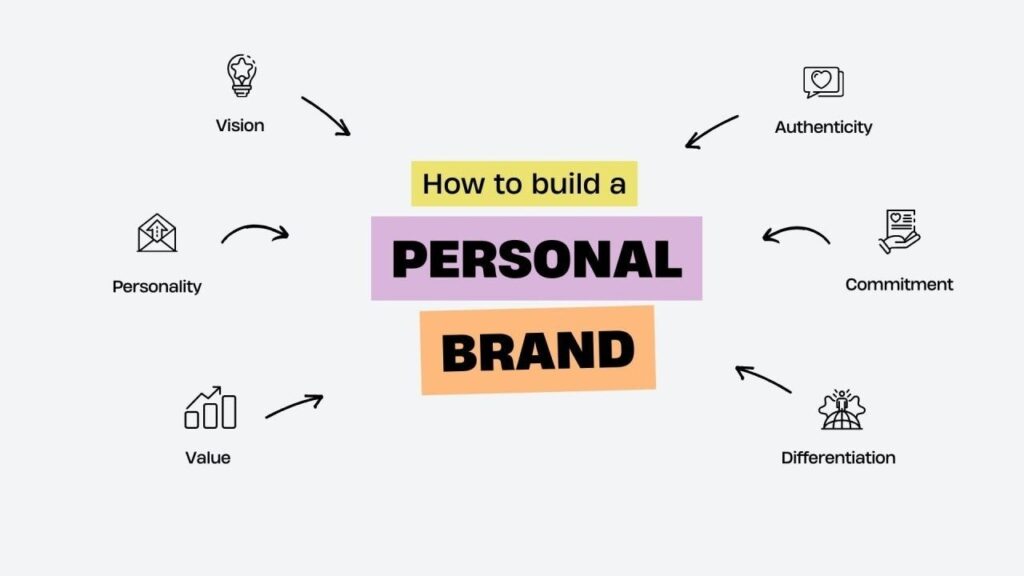
Being a student today isn’t just about grades or passing exams. It’s also about building a reputation—your personal brand. Personal branding might sound like something only influencers or CEOs do, but the truth is, every student can benefit from it. A strong personal brand can help you land internships, get recommendations, secure scholarships, and even start your career earlier. But the key is to start early and be intentional about it.
Why Personal Branding Matters
Think about it. Employers, professors, and peers notice more than just your grades. They notice your online presence, how you communicate, what projects you work on, and how you present yourself. Your personal brand is basically the story you’re telling about who you are, what you care about, and what you can do.
A strong personal brand gives you visibility. It shows that you’re proactive, confident, and professional. And in today’s competitive environment, that edge can make a huge difference.
1. Know Yourself
Before you start building your brand, you need to know who you are. Sounds simple, but many students skip this step. Ask yourself: what are my strengths? What am I passionate about? What makes me different from other students?
Write it down. Maybe you’re good at coding, love writing, or enjoy public speaking. Your personal brand should highlight these things. Being authentic matters. People can tell if you’re pretending to be someone you’re not.
2. Define Your Goals
A brand without direction is confusing. Decide what you want your personal brand to do. Do you want to get internships in tech? Land a scholarship in business? Build a freelancing career while still in college? Your goals will guide how you shape your brand.
Having clear goals also helps you decide what content to share, what skills to learn, and which platforms to focus on.
3. Create an Online Presence
Most of your personal brand today exists online. LinkedIn is the obvious choice. Make sure your profile is complete, professional, and showcases your achievements. Add a professional photo, highlight your skills, and share any projects you’ve done.
Beyond LinkedIn, think about other platforms. Twitter, Instagram, or even a personal blog can work, depending on your field. For example, students interested in writing, design, or content creation can benefit from a blog or portfolio website. Tech students can share coding projects on GitHub.
4. Showcase Your Skills
Your personal brand isn’t just what you say—it’s what you do. Build a portfolio of your work. Completed projects, class assignments, volunteer work, personal projects—they all count.
Even small projects matter. For instance, creating a website, writing an article, or designing a logo demonstrates initiative and practical skills. The key is to show results and progress, not just effort.
5. Network Authentically
Networking is part of personal branding. Reach out to peers, professors, and professionals in your field. But don’t just ask for favors. Share ideas, ask thoughtful questions, and show genuine interest in what others are doing.
Attend online webinars, student meetups, and industry events. Each interaction is a chance to strengthen your brand and make connections that can help your career.
6. Share Your Story
People remember stories more than facts. Share your journey, your challenges, and how you overcame them. It could be a LinkedIn post about a project that failed at first or a tweet about learning a new skill.
Storytelling humanizes your brand. It makes you relatable and memorable. Plus, it shows resilience, creativity, and problem-solving—traits every employer values.
7. Be Consistent
Consistency is key. You don’t need to post every day, but you do need to be consistent in the message you’re sending. Your profiles, interactions, and work should all reflect the same core values and goals.
This doesn’t mean being rigid. It means your personal brand should have a clear identity and evolve naturally as you grow.
8. Keep Learning and Adapting
A personal brand isn’t static. As you gain new skills, experiences, and insights, your brand should reflect that growth. Take online courses, attend workshops, read books, and apply your knowledge.
This continuous improvement shows that you’re proactive, curious, and committed to self-development. And honestly, people notice that more than flashy certificates.
Final Thought
Building a personal brand as a student might seem intimidating, but it doesn’t have to be. Start small, be authentic, and focus on skills and experiences that highlight who you are and what you want to achieve. Remember, your personal brand is more than online presence—it’s how people perceive you, both digitally and in real life.
Start early, invest in yourself, and be consistent. Over time, your personal brand will open doors that grades alone cannot. It’s about creating opportunities, standing out, and showing the world what you’re capable of—before even stepping fully into your career.