We all hear it—“stick to a routine,” “wake up early,” “exercise,” “eat healthy.” But honestly, creating a healthy daily routine can feel overwhelming. Where do you start? What’s realistic? And most importantly—how do you actually stick to it without burning out?
A healthy daily routine isn’t about perfection. It’s about balance. Small steps, consistency, and awareness. When done right, it helps your mind, body, and productivity all at once.
Why a Daily Routine Matters
Humans thrive on rhythm. Our bodies and minds function better with predictable patterns. A good routine:
- Boosts Productivity – Less decision fatigue. You know what to do and when.
- Supports Mental Health – Regular sleep, meals, and breaks reduce stress.
- Improves Physical Health – Consistent exercise, hydration, and meals help your body function at its best.
- Encourages Self-Discipline – Following a plan builds habits that last.
- Creates Space for Reflection – Knowing your priorities lets you focus on what matters.
Without structure, life can feel chaotic. Even small routines bring a sense of calm and control.
Steps to Build a Healthy Daily Routine
1. Start With Sleep
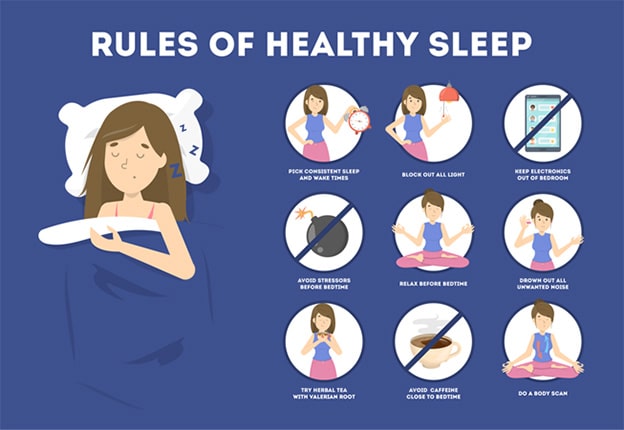
Sleep is non-negotiable. Aim for 7–9 hours. Try to wake up and sleep at the same time each day—even on weekends. Your body’s internal clock (circadian rhythm) works best when consistent.
2. Morning Rituals
Mornings set the tone for the day. A simple routine could include:
- Drinking water right after waking
- Stretching or light exercise
- A mindful moment—breathing, journaling, or meditation
- Healthy breakfast
Small, consistent morning habits create momentum for the rest of the day.
3. Plan Your Day
Take 5–10 minutes to list tasks or priorities. This isn’t about micromanaging. It’s about clarity. Decide what’s urgent, what’s important, and what can wait.
4. Move Your Body
Exercise doesn’t have to be extreme. A 20-minute walk, stretching, or short workout improves circulation, focus, and mood. Even small movement bursts during the day make a difference.
5. Eat Mindfully
Balanced meals fuel energy. Include vegetables, fruits, protein, and whole grains. Avoid skipping meals—your brain needs steady fuel to function. Hydration is key too; aim for water throughout the day.
6. Work and Breaks
Avoid overloading yourself. Use techniques like:
- Pomodoro Method – 25 minutes focus, 5-minute break
- Mindful breaks – Stand, stretch, breathe
- Step away from screens when possible
Breaks prevent burnout and improve long-term focus.
7. Evening Wind-Down
How you end your day affects sleep and recovery. Consider:
- Avoiding heavy screens 30–60 minutes before bed
- Light stretching or reading
- Journaling or reflecting on the day
- Gratitude practice—focusing on small wins
Even 10–15 minutes of intentional evening routine improves sleep and peace of mind.
Tips to Stick With It
- Start Small – Don’t overhaul everything at once. Introduce one habit at a time.
- Be Flexible – Life happens. Adjust routines instead of abandoning them.
- Track Progress – Checking off tasks or habits builds motivation.
- Celebrate Wins – Small consistency matters more than perfection.
Common Mistakes to Avoid
- Overloading Your Schedule – Too many activities cause stress, not health.
- Ignoring Self-Care – Mental health matters as much as physical health.
- Being Too Rigid – Flexibility is part of sustainability.
- Skipping Meals or Sleep – These are foundations. Everything else depends on them.
Benefits of a Healthy Daily Routine
- Better physical health and energy levels
- Clearer thinking and focus
- Reduced stress and anxiety
- Improved mood and emotional resilience
- More productive and fulfilling days
A well-designed routine is like a framework. It doesn’t limit freedom—it creates freedom by organizing time, energy, and priorities.
Conclusion
Creating a healthy daily routine isn’t about extreme discipline. It’s about intentional habits, balance, and self-awareness. Start with small changes—sleep, hydration, movement, mindful breaks—and gradually add more. Pay attention to what works for you, and don’t stress over perfection.
Remember: a routine is a tool, not a trap. With calm intentions, flexibility, and patience, your daily routine can transform your energy, focus, and overall quality of life.