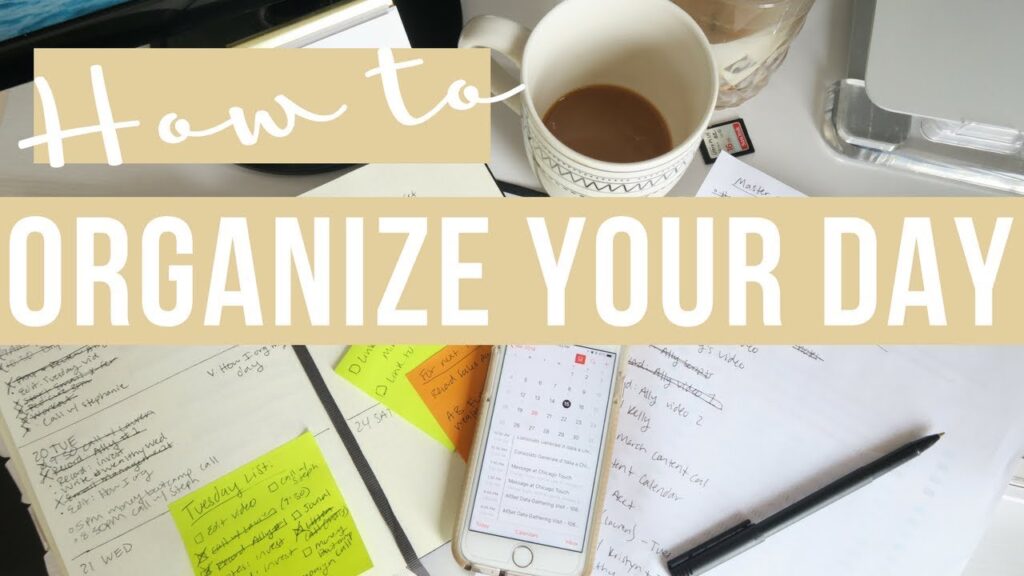
We all have the same 24 hours. Yet, some people seem to get so much done while others are stuck scrambling through their day. The secret isn’t working harder—it’s organizing your day smartly. When you structure your time with intention, you’ll notice less stress, more focus, and better results. Here’s a guide on how to organize your day for maximum efficiency.
1. Start with a morning routine
Mornings set the tone. Don’t just roll out of bed and check your phone. Spend a few minutes stretching, drinking water, maybe journaling. Even 15–20 minutes of a consistent routine can drastically improve focus. Small habits here create momentum.
2. Identify your priorities
Not everything on your to-do list is equally important. Write down your top 3 priorities for the day. These are the things that actually move the needle. Tackling these first gives a sense of accomplishment and makes the rest of the day feel manageable.
3. Use time blocks
Instead of bouncing between tasks, dedicate blocks of time to specific activities. For example, 9–11 AM for deep work, 11–11:30 AM for emails, etc. Time blocking keeps your brain from constantly switching gears, which wastes energy and focus.
4. Break tasks into smaller steps
Big projects feel overwhelming. Break them into bite-sized chunks. It’s easier to start, easier to track, and you’ll feel a sense of progress more often. Even small wins can boost motivation.
5. Limit distractions
Notifications, social media, and noisy environments kill productivity. Turn off unnecessary alerts, close extra tabs, or use noise-cancelling headphones if needed. Sometimes, just one focused hour is more effective than several scattered ones.
6. Plan breaks strategically
Working non-stop doesn’t make you more efficient. The brain needs rest to function. Short breaks every 60–90 minutes keep your mind fresh. Take a walk, stretch, or grab a drink of water. Avoid aimless scrolling during breaks—it doesn’t recharge you.
7. Batch similar tasks together
Group similar activities instead of doing them sporadically. Responding to emails in one batch, making phone calls in another, and running errands in one go reduces mental switching and saves time.
8. Use a planner or digital tool
Some people swear by paper planners, others by apps. The point isn’t the tool—it’s clarity. Writing down your schedule, deadlines, and tasks ensures nothing slips through the cracks. Plus, crossing things off feels great.
9. Set time limits
Give yourself a deadline for tasks, even small ones. Parkinson’s Law says work expands to fill the time available. If you give yourself unlimited time, tasks drag. Setting boundaries forces focus and efficiency.
10. Handle decisions efficiently
Decision fatigue is real. The more small choices you make, the less energy you have for big ones. Reduce trivial decisions—like what to wear or eat—so your brain can focus on what truly matters.
11. Tackle challenging tasks first
Energy is highest in the morning for most people. Handle difficult or high-concentration tasks first. Easier tasks and routine stuff can fill the afternoon when energy dips.
12. Keep your workspace organized
A cluttered space leads to a cluttered mind. Keep your desk tidy, files organized, and tools easily accessible. This reduces time wasted searching for things and makes working more enjoyable.
13. Review and adjust daily
At the end of each day, review what went well and what didn’t. Adjust your plan for tomorrow accordingly. Flexibility is key—rigid schedules that don’t adapt cause frustration, not efficiency.
14. Learn to say no
Not every meeting, request, or invitation deserves your time. Protect your schedule. Saying no can feel uncomfortable, but it’s essential for focusing on what really matters.
15. Practice self-care
Efficiency isn’t just about doing more—it’s about sustaining performance. Sleep well, eat healthily, move your body, and take mental breaks. Burnout will ruin even the best-planned day.
16. Use the 2-minute rule
If something takes less than two minutes, do it immediately. Small tasks can pile up if postponed, creating unnecessary stress. Quick action keeps your to-do list manageable.
17. Automate and delegate
Don’t do everything yourself. Automate recurring tasks or delegate when possible. Even small efficiencies, like auto-paying bills or sharing responsibilities at work, free up time for higher-priority work.
18. Minimize multitasking
Multitasking feels productive, but it actually slows you down. Focus on one task at a time, give it your full attention, and then move to the next. You’ll get more done, with fewer mistakes.
19. Keep a “done” list
Sometimes, seeing what you’ve accomplished is more motivating than a long to-do list. Write down completed tasks—it reminds you that you’re making progress even on busy days.
20. End the day with a routine
Just like mornings, evenings set the tone. Spend a few minutes reflecting, planning tomorrow, or simply unwinding. Ending the day intentionally improves sleep, reduces stress, and prepares you for an efficient tomorrow.
Final Thought
Organizing your day for maximum efficiency isn’t about packing every minute with tasks or striving for perfection. It’s about making conscious choices, prioritizing what matters, and giving your brain the structure it needs to thrive. Start small, focus on what works for you, and adjust as you go. Efficiency is a practice, not a rule—and every small step adds up to big results over time.