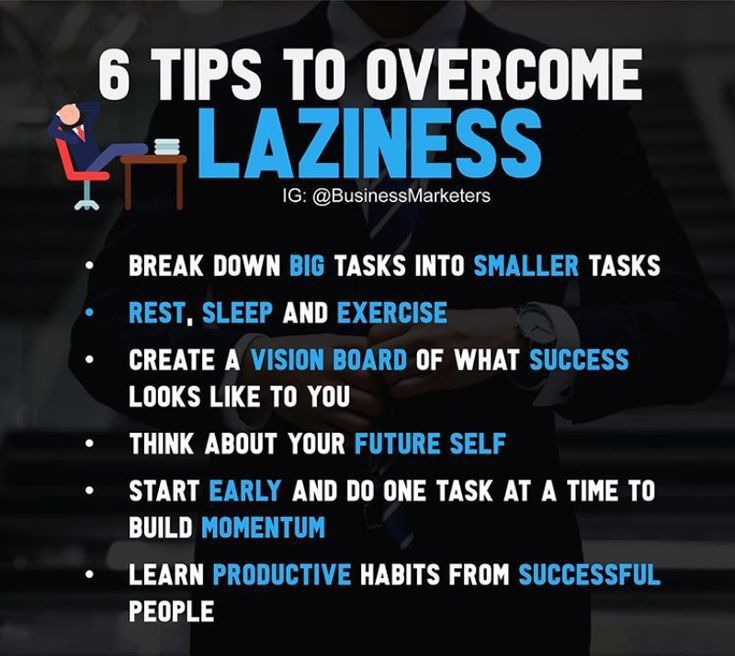
Laziness. We all feel it sometimes. Some days you wake up, the bed feels extra cozy, and the thought of doing anything productive just… evaporates. But chronic laziness isn’t just about comfort—it’s often about habits, mindset, and even energy management. The good news? Discipline isn’t a trait you’re born with. It’s something you can build, bit by bit. Here’s how.
Understand Why You’re Lazy
Before trying to fix laziness, you need to understand it. Sometimes it’s fatigue—physical or mental. Sometimes it’s fear disguised as laziness: fear of failing, fear of starting, fear of judgment. Other times, it’s simple lack of motivation. Figure out the “why” behind your laziness. It’s easier to tackle the root cause than fight symptoms.
Start Small
Big changes intimidate the mind and body. You don’t need to overhaul your life in a day. Start with tiny actions. If you want to exercise, do five minutes a day first. Want to write a book? Write one paragraph. Small wins trigger momentum. Once you start, inertia works in your favor.
Set Clear Goals
Vague intentions lead to procrastination. “I want to be productive” is too fuzzy. Define exactly what you want. “I will work for two hours on my project every morning” is clear and actionable. Break big goals into smaller steps, so each day you know exactly what needs to be done.
Create a Routine
Discipline thrives on structure. Set a daily routine—even imperfect ones. Wake up at a consistent time, allocate blocks for work, exercise, relaxation. When your body and mind know what to expect, laziness has less room to creep in. Habits reduce reliance on willpower, and willpower is limited.
Remove Distractions
Phones, social media, TV, noisy environments—these are lazy traps. Identify what distracts you and remove it while working. Even small changes, like turning off notifications or working in a quieter spot, make a huge difference in productivity.
Use the Two-Minute Rule
A great trick is the “two-minute rule.” If a task takes two minutes or less, do it immediately. Washing a dish, replying to a short email, tidying up a corner. Doing small tasks immediately prevents them from piling up and overwhelming you.
Prioritize Tasks
Laziness often hides behind a long to-do list. The brain shuts down when facing too many tasks. Pick the most important or urgent task first. Focus on one thing at a time. Completing even a single important task creates a sense of accomplishment that fuels discipline.
Reward Progress, Not Perfection
Discipline isn’t about being perfect. It’s about consistency. Celebrate small wins. Finished a workout? Treat yourself with a small reward or a moment of rest. Progress creates motivation. Perfection creates guilt—and guilt kills momentum.
Move Your Body
Physical activity combats mental laziness. Exercise releases endorphins, boosts energy, and sharpens focus. Even a short walk or stretching session increases your ability to tackle tasks you’ve been avoiding.
Train Your Mind
Discipline is as much mental as it is physical. Visualize yourself completing tasks. Use affirmations like “I can do this” or “I will start now, not later.” The more your mind associates action with success, the less lazy resistance you’ll feel.
Build Accountability
Share your goals with someone you trust. Post progress updates. Join a group with similar ambitions. Knowing someone else is watching—or cheering for you—adds pressure to follow through when laziness tempts you.
Embrace Deliberate Delays
Sometimes laziness arises from burnout. If you’re tired or overwhelmed, push back intelligently. Rest isn’t laziness. Planned breaks restore energy and prevent complete shutdown. Discipline grows when you balance effort with recovery.
Create a Productive Environment
Your environment shapes behavior. Keep your workspace clean, organized, and motivating. Remove junk, make tools accessible, and design spaces that make it easy to work. Environment tweaks reduce friction and make action easier.
Use Habit Stacking
Link new habits to existing ones. For example, if you want to meditate daily, do it right after brushing your teeth. Linking actions builds routines without relying purely on willpower. Small consistent actions compound over time.
Avoid Overthinking
Laziness often comes from thinking too much. You plan, overanalyze, and end up doing nothing. Stop rationalizing inaction. Start. Action breeds motivation. Momentum kills hesitation.
Forgive Yourself
Everyone has lazy days. Don’t spiral into guilt. Acknowledge it, adjust, and move on. Self-compassion prevents demotivation and allows you to get back on track faster.
Final Thought
Overcoming laziness isn’t about brute force or willpower alone—it’s about understanding yourself, creating supportive routines, and taking small, consistent actions. Discipline isn’t built overnight, but every small step forward strengthens it. Start today, start small, and keep moving. Momentum is your greatest ally, and over time, the lazy days will become fewer, replaced with focus, achievement, and self-respect.