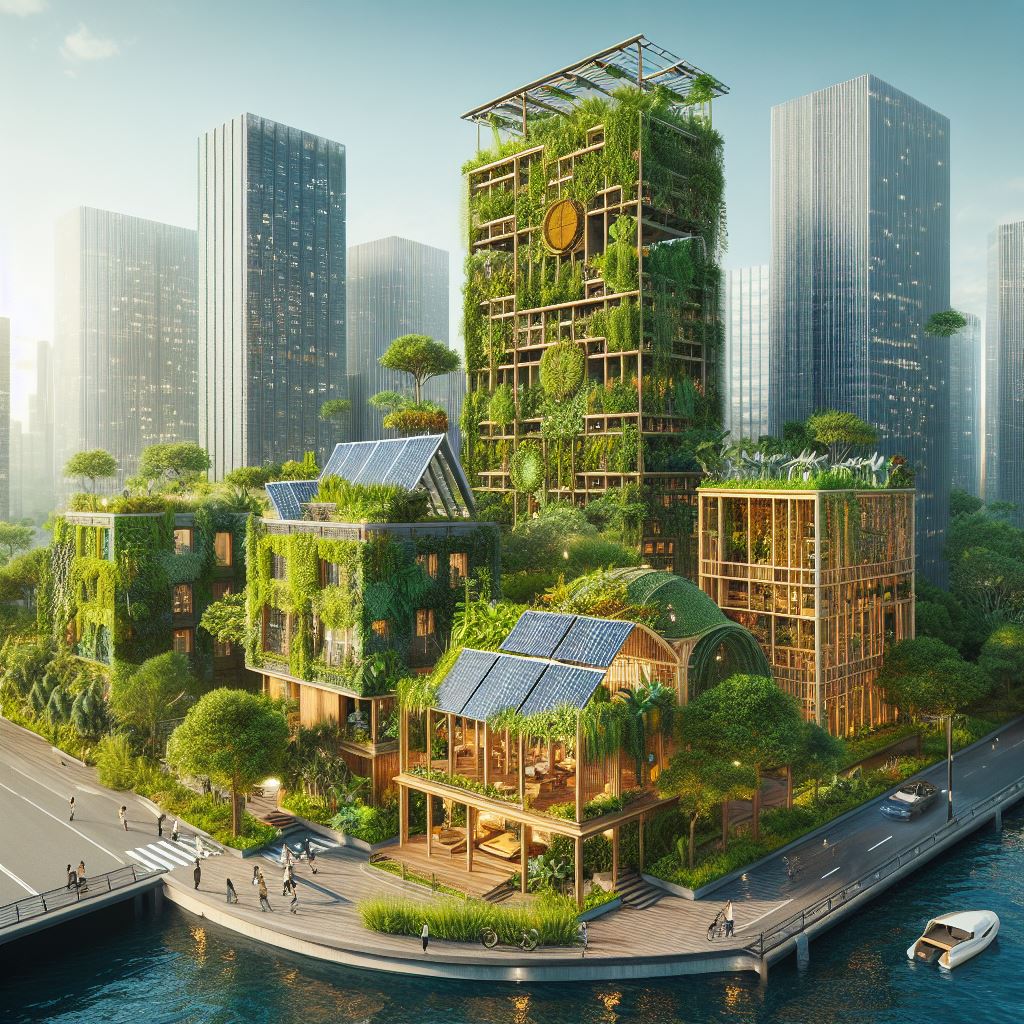
The world around us. It’s beautiful, complex, and fragile. Forests, rivers, mountains, oceans—they all work together to support life. But human activity is putting pressure on nature. Pollution, deforestation, climate change… the list goes on. If we want a future where humans and nature coexist, we need something more than rules and regulations. We need minds that care, understand, and act for the environment. And that starts with learning.
Why Learning Matters for Nature
Knowledge is powerful. But not just any knowledge. Learning for nature means understanding ecosystems, the impact of human actions, and sustainable practices. Without learning, people may care, but they won’t know how to help. For example, someone might want to save water but not understand how irrigation or daily habits affect local water systems. Learning bridges that gap.
Education shapes habits, values, and perspectives. It builds eco-friendly minds—people who think before they act, choose sustainability, and respect natural systems.
Core Principles of Eco-Friendly Learning
1. Environmental Awareness
Students need to see and understand the connections between humans and nature. Lessons about climate change, wildlife, forests, and oceans teach not just facts, but consequences. Awareness creates empathy, and empathy drives action.
2. Hands-On Engagement
Learning shouldn’t stay in classrooms. Planting trees, cleaning rivers, building community gardens—these activities make lessons real. When students touch soil, observe insects, or monitor local water quality, they internalize lessons in ways books can’t teach.
3. Critical Thinking
Eco-friendly minds ask questions: Why is this river polluted? How does deforestation affect local communities? What alternatives exist to harmful practices? Encouraging curiosity and problem-solving ensures that learners don’t just follow instructions—they innovate solutions.
4. Sustainable Practices
From recycling and composting to energy conservation and reducing single-use plastics, learning for nature focuses on practical habits. Students learn how daily choices impact the environment and why small actions matter.
5. Global and Local Perspective
Eco-friendly minds understand that environmental issues are both local and global. Pollution in one city can affect the world. Climate change affects communities worldwide. Lessons connect students to local realities and global consequences, building responsible citizens.
How Learning Shapes Behavior
Education influences choices. A student who understands the impact of plastic pollution is more likely to choose reusable bags, avoid single-use plastics, or advocate for bans. A community aware of water scarcity may adopt rainwater harvesting or plant drought-resistant gardens. Knowledge turns awareness into action.
Learning also fosters collaboration. Environmental challenges are complex and require teamwork. Eco-friendly minds learn to work with others, share ideas, and create collective solutions.
Challenges in Building Eco-Friendly Minds
It’s not easy. Some schools lack resources, trained teachers, or access to natural spaces. Students may feel powerless against large-scale problems like climate change or deforestation. Sometimes lessons stay theoretical, and habits fail to take root.
But challenges can be overcome. Creative projects, community involvement, and using local examples make lessons practical and relatable. Small steps, repeated consistently, can build lifelong eco-friendly habits.
Practical Steps to Foster Eco-Friendly Learning
- Start Early: Environmental education should begin in primary school. Young children can develop curiosity and empathy for nature early on.
- Engage in Projects: Clean-ups, tree planting, and school gardens make learning hands-on.
- Incorporate Technology: Data collection, apps, and virtual simulations can enhance understanding of ecosystems, weather patterns, and climate change.
- Promote Critical Thinking: Encourage students to question, analyze, and find solutions to environmental problems.
- Connect Communities: Learning extends beyond school—families, local groups, and communities can participate in sustainable projects.
Conclusion
Learning for nature is more than memorizing facts. It’s about developing values, habits, and solutions. It’s about nurturing minds that respect life, understand systems, and act responsibly. Every tree planted, every river cleaned, every choice to reduce waste begins with an eco-friendly mind.
The future of our planet depends on the people who live in it. By building eco-friendly minds today, we prepare a generation capable of protecting, preserving, and coexisting with nature tomorrow. Education is not just a tool—it’s a seed. And when nurtured, it grows into a forest of change.