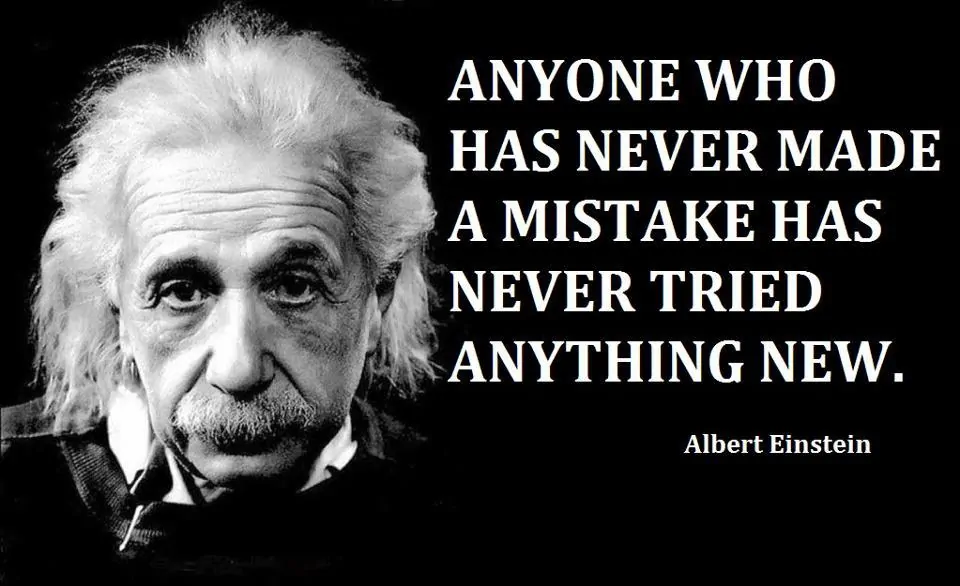
Most people fear failure. They try to avoid it, hide it, or feel ashamed when it happens. But failure is not the enemy of success — it is a powerful part of learning. In fact, many of the most successful people in the world say that their failures taught them lessons that success never could.
Failure does not mean the end. It means the beginning of understanding. It shows us what we need to improve, how to grow, and where to try differently. When we approach failure the right way, it becomes one of the most valuable teachers we could ever have.
In this article, we explore why failure is essential for growth, how it strengthens character, and how students can use failure to become stronger, smarter, and more confident learners.
1. Failure Shows Us Our Weaknesses So We Can Improve
When we succeed, we feel good — but success doesn’t always teach us how to get better. Failure, on the other hand, points out exactly what needs improvement.
For example:
- If a student performs poorly on a math test, the failure highlights which topics they didn’t understand.
- If someone loses a competition, it shows where they need more practice.
- If a student forgets something in a presentation, it means they need to prepare differently next time.
Failure provides clarity.
Success provides comfort.
And comfort rarely leads to growth.
2. Failure Builds Resilience
Resilience means the ability to face challenges and not give up.
Life will always have difficulties — exams, job interviews, financial struggles, emotional stress. Those who learn how to stand back up after failing become stronger than those who never fail at all.
Think about a muscle:
- It gets stronger only after being stretched and challenged.
Resilience works the same way:
- Each time we try again after failing, our confidence grows.
Failure teaches us that we can endure, we can rebuild, and we can move forward even when things are hard. That is one of the most valuable abilities in life.
3. Failure Encourages Creativity and Problem-Solving
When something doesn’t work, we are forced to think differently.
We start asking questions like:
- What went wrong?
- How can I do this better?
- What strategy should I try next?
This kind of thinking leads to innovation and creativity.
Many great inventions exist because something originally failed:
- Thomas Edison failed thousands of times before inventing the light bulb.
- The Wright Brothers failed repeatedly before creating the first airplane.
- Scientists often fail experiments many times before discovering breakthroughs.
Failure forces the brain to look for new ideas — and new ideas lead to progress.
4. Failure Develops Self-Awareness and Emotional Strength
Failure teaches us about ourselves:
- How we react under pressure
- How we handle disappointment
- How we talk to ourselves when things go wrong
Some people get discouraged and give up.
Others learn to pause, reflect, and try again.
Understanding your own emotions is critical for success.
Failure teaches emotional maturity — the ability to stay calm, patient, and confident during challenges.
The students who succeed are not always the smartest.
They are the ones who stay steady when things go wrong.
5. Failure Strengthens Confidence — When We Learn From It
Ironically, failure can make us more confident, not less.
How?
Because when we fail, try again, and eventually succeed, we learn something powerful:
“I am capable of overcoming challenges.”
This self-belief becomes unshakable.
Confidence doesn’t come from everything going right.
Confidence comes from knowing you can survive things going wrong.
6. Why Students Should Not Fear Failure
Students often fear failure because they think it defines their worth.
Bad exam = “I’m not smart”
Mistake in class = “Everyone will judge me”
Poor performance = “I’m not capable”
But in reality:
- Failure does not define you.
- It guides you.
- It shapes you.
The students who grow the most are the ones who:
- Ask questions
- Make mistakes
- Keep learning
School should not just teach information — it should teach the courage to learn through trial and error.
7. How to Use Failure as a Tool for Growth
Here are practical steps to change your mindset:
| Step | What to Do | Why It Helps |
| 1. Accept the failure | Don’t deny or hide it. | Acceptance leads to reflection. |
| 2. Analyze what went wrong | Look honestly at the cause. | Understanding leads to solutions. |
| 3. Make small improvements | Change one habit or strategy. | Small steps lead to big progress. |
| 4. Try again | Do not wait too long. | Action builds momentum. |
| 5. Celebrate progress | Even small improvements matter. | Encouragement builds confidence. |
When you see failure as part of the learning process, it loses its power to frighten you.
8. Real Success Stories Built on Failure
- Michael Jordan didn’t make his high school basketball team.
He practiced harder and became one of the greatest athletes of all time. - J.K. Rowling faced poverty, rejection, and stress.
Yet she wrote Harry Potter, now one of the most successful book series in history. - Steve Jobs was fired from his own company.
Later, he returned and created the iPhone.
Failure did not stop them — it guided them.