
We all dream big.
We picture the finish line — the promotion, the dream body, the successful business, the peaceful mind. But between where we are and where we want to be, there’s this wide, uncertain stretch. That’s the part where most people lose steam. Where motivation fades, and self-doubt starts whispering.
That’s where small wins come in.
They might seem… well, small. But they’re powerful. In fact, they’re the real foundation of big achievements.
Why Small Wins Matter More Than We Think
Here’s the thing — our brains are wired for progress, not perfection.
Each time we complete something, even tiny, our brain releases dopamine. It’s that little “hey, you did it!” chemical that makes us feel good and pushes us to do more. That’s why crossing an item off a to-do list feels strangely satisfying — it’s not meaningless; it’s neurological.
Harvard Business School professor Teresa Amabile actually studied this. She found that people who recorded daily progress at work — no matter how small — were more motivated, creative, and productive. The key wasn’t the size of the success. It was the feeling of progress.
So those micro-moments?
They’re not trivial. They’re fuel.
Momentum Is Built, Not Found
A lot of people wait for motivation to strike before they start. But that’s backward. Motivation rarely shows up out of nowhere. It’s momentum that creates motivation — and momentum starts with small wins.
Think of it like pushing a heavy car. The hardest part is getting it to move even an inch. But once it starts rolling, it takes less effort to keep it going. Small wins are those first inches — they break inertia.
You don’t write a book by writing a book. You write one paragraph today, another tomorrow. You don’t run a marathon by running 26 miles out of nowhere. You start with one mile, maybe even a walk. Each win builds a tiny bit of confidence, a spark that says, “I can do this.”
Before you know it, that spark turns into momentum.
Small Wins Rewire How We See Ourselves
There’s another layer here — identity.
When you start racking up small wins, even if nobody else sees them, you start shifting how you see yourself.
Say you’re trying to get fit. You go for a 10-minute jog every morning. At first, it feels insignificant. But over time, it’s no longer about jogging. You start thinking of yourself as “someone who works out.”
That’s identity change. And identity change is way more powerful than willpower.
Because once your actions align with who you believe you are, you stop forcing habits — they become natural.
The Psychology of Progress
There’s this idea called the “progress principle.” It basically says that of all the things that can boost emotions, motivation, and perceptions during a workday, the single most important one is making progress in meaningful work.
Meaningful — not necessarily massive.
When people feel they’re moving forward, even just a bit, they’re happier, more engaged, and more resilient. It’s like a snowball effect. One small success leads to another, and soon you’re in a rhythm.
You stop asking, “Am I good enough?” and start asking, “What’s next?”
Small Wins Keep You From Burning Out
Let’s be honest. Big goals are exhausting.
They take time, energy, patience — all things that fluctuate. Without visible progress, it’s easy to lose motivation. That’s when people quit halfway, thinking they’ve failed.
Small wins act as checkpoints. They remind you that you’re still moving. They give you a reason to celebrate, to breathe, to keep going.
That’s how you stay consistent — by not waiting until the end to feel proud.
How to Create Small Wins in Your Life
A few practical ideas:
- Shrink the goal. If something feels too big, make it ridiculously small. Want to start journaling? Just write one sentence a day. Seriously, that’s enough to start.
- Track your progress. Write it down. Check it off. Visual progress reinforces mental progress.
- Celebrate tiny victories. Don’t skip this. That “I did it” moment cements the habit.
- Focus on consistency over intensity. Doing a little bit daily beats doing a lot once in a while.
- Use momentum wisely. Once you feel the rhythm, build on it — but don’t rush. Momentum is fragile at first.
From Small Wins to Big Change
When you look back after a few months, you’ll realize something.
Those “small” wins? They weren’t small at all. They were the bricks that built your foundation. The reason you didn’t give up. The quiet proof that you were capable all along.
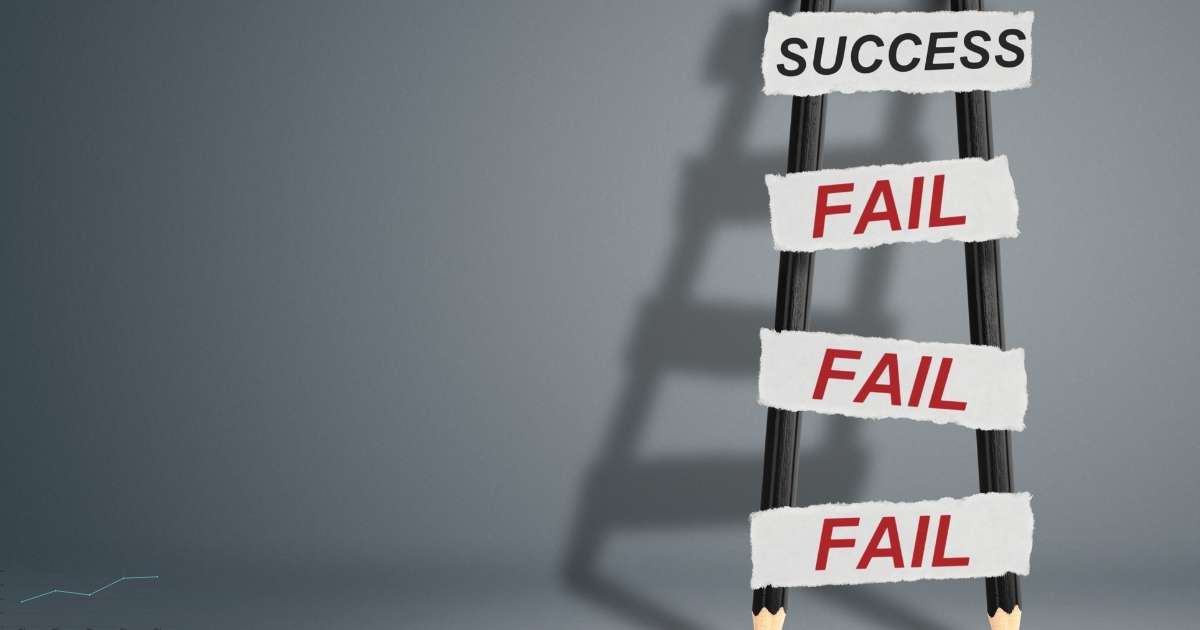
Success rarely happens in a dramatic leap. It’s usually a collection of subtle steps, moments no one else notices.
But you notice.
And that’s enough.
Final Thoughts
Small wins aren’t just progress markers. They’re emotional anchors — the things that keep you grounded when the big goal feels far away.
So, start small. Win small.
Then keep going.
Because momentum doesn’t come from luck. It comes from movement — one tiny, deliberate win at a time.











Leave a Reply