
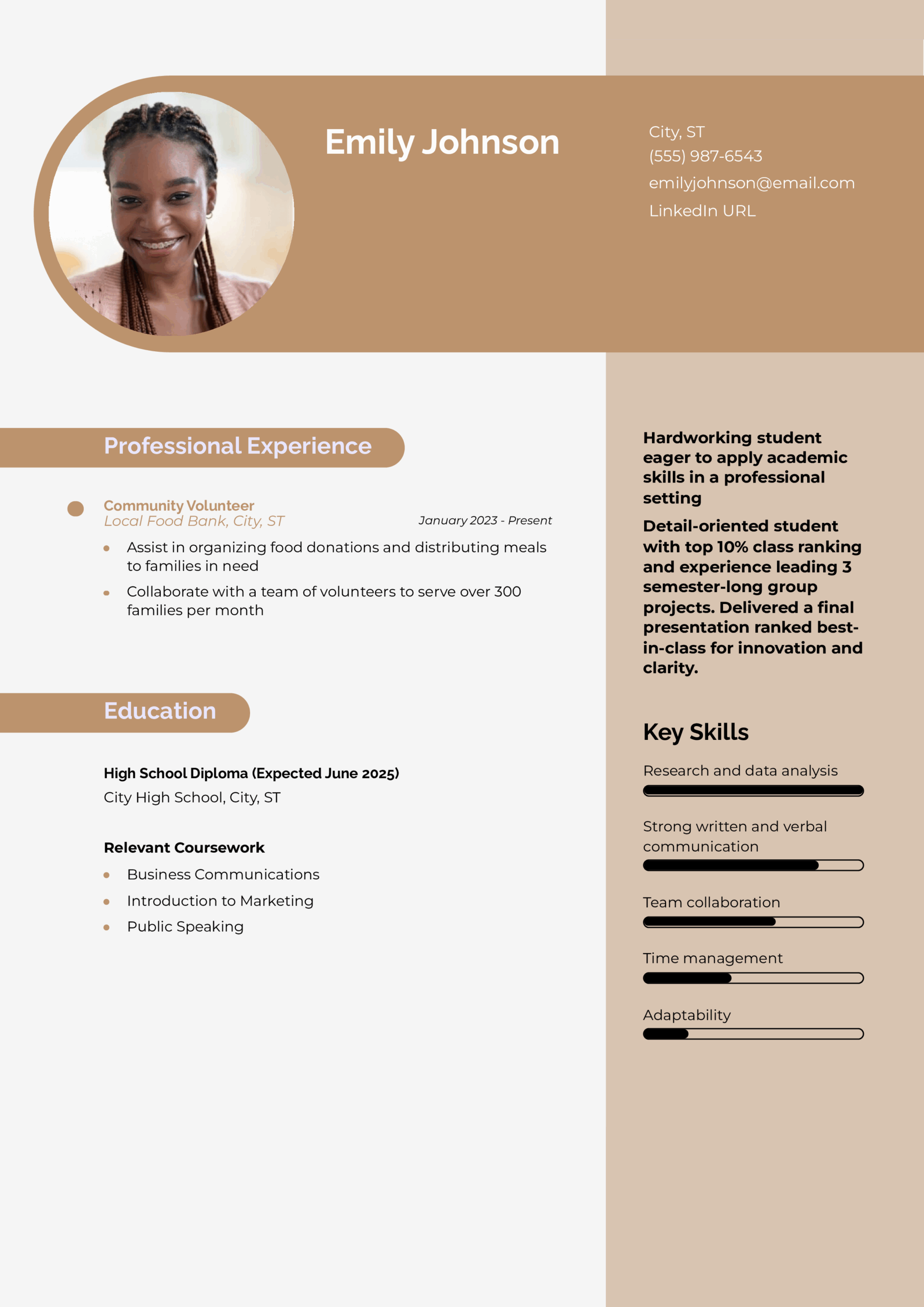
Writing a resume can be intimidating, especially if you have no professional experience. You might feel like you have nothing to put on paper. But here’s the good news—everyone starts somewhere. Even if you haven’t held a formal job yet, you have skills, education, and experiences that matter. The key is knowing how to highlight them effectively. A strong resume without experience is about focusing on potential, achievements, and transferable skills. Here’s how you can craft one that stands out.
1. Choose the Right Resume Format
The first step is selecting a format that works for beginners. There are three main types of resumes:
- Chronological: Lists work experience in order. Best for those with significant job history.
- Functional: Focuses on skills and abilities rather than work experience. Perfect for people with little to no experience.
- Combination: Mixes skills and experience. Useful if you have some experience but want to highlight skills.
For someone with no experience, a functional resume is usually the best choice. It allows you to emphasize skills, education, and projects instead of work history.
2. Start with a Strong Objective or Summary
A resume objective or summary is your first impression. Even if you have no experience, a well-written objective shows ambition and clarity.
Example:
“Recent college graduate with strong communication and problem-solving skills seeking an entry-level marketing position to contribute creativity and enthusiasm to a dynamic team.
Keep it concise—2-3 sentences highlighting your strengths, goals, and what you can bring to the employer. Avoid vague statements like “I am hardworking”—be specific about your abilities.
3. Highlight Education and Relevant Coursework
If you lack professional experience, your education becomes a key section. List your degree, institution, and graduation date. Include honors, GPA (if strong), and relevant coursework.
Example:
Bachelor of Science in Computer Science
University of XYZ | 2025
Relevant Coursework: Web Development, Data Structures, Artificial Intelligence
You can also include academic projects. For example, if you built a website or developed a small app, briefly describe it and the skills you used. Projects show initiative, technical skills, and practical application of knowledge.
4. Focus on Skills and Transferable Abilities
Employers look for skills, not just experience. Soft skills and transferable skills can make a huge difference. These include:
- Communication
- Teamwork
- Problem-solving
- Leadership
- Time management
- Creativity
- Digital literacy
Hard skills like Microsoft Office, coding languages, graphic design, or social media management should also be listed. Make sure to match your skills with the job description—this increases your chances of getting noticed.
5. Include Volunteer Work and Extracurricular Activities
No formal job? No problem. Volunteer work, internships, or participation in clubs can showcase your abilities and dedication.
Example:
Volunteer Tutor | Local Community Center | 2023
- Assisted students in math and English
- Developed lesson plans and study materials
- Improved student engagement through interactive learning techniques
Clubs, sports teams, or student organizations also demonstrate teamwork, leadership, and commitment. Include any roles where you took initiative or managed responsibilities.
6. Add Internships or Short-Term Experiences
Even short internships, part-time jobs, or freelance work count. Highlight responsibilities, achievements, and skills gained. Use action verbs like “organized,” “developed,” “managed,” or “created” to make your experiences sound impactful.
Example:
Social Media Intern | XYZ Startup | Summer 2024
- Created content for Instagram and Facebook pages
- Increased follower engagement by 20% through targeted posts
- Assisted in marketing campaign strategy
Numbers and results make your experience tangible—even if it was brief.
7. Use Action Words and Quantify Achievements
Action verbs give your resume energy and make it clear what you accomplished. Words like “developed,” “led,” “created,” “organized,” “designed,” and “implemented” are powerful.
Quantifying achievements adds credibility. For example: “Tutored 15 students weekly, improving average test scores by 10%” sounds much stronger than “helped students with homework.” Numbers and metrics catch attention and demonstrate impact.
8. Keep the Design Clean and Professional
Even the best content can be ignored if the layout is messy. Keep your resume clean, professional, and easy to read. Use clear headings, bullet points, and consistent formatting. Avoid fancy fonts or bright colors—simplicity is key.
Your resume should ideally fit on one page. Remember, recruiters spend only seconds scanning each resume. Make your most important information easy to find.
9. Tailor Your Resume for Each Job
One resume doesn’t fit all. Tailor your resume for each application. Highlight the skills, coursework, and experiences most relevant to the job. Use keywords from the job description.
For example, if a position emphasizes teamwork and communication, prioritize examples where you demonstrated these skills. Customization increases the chances of passing through automated applicant tracking systems (ATS) and catching the recruiter’s eye.
10. Proofread and Get Feedback
Errors on a resume can leave a negative impression. Proofread carefully for spelling, grammar, and formatting mistakes. Ask a friend, mentor, or career counselor to review your resume. Fresh eyes can catch errors you might miss and suggest improvements.
A polished resume shows attention to detail, professionalism, and seriousness about the application.
Conclusion
Writing a resume with no experience may seem daunting, but it’s entirely possible to create a strong, compelling document. Focus on your education, projects, volunteer work, skills, and any short-term experiences. Use action verbs, quantify your achievements, and tailor your resume to each job.
Remember, employers aren’t just looking for a long work history—they’re looking for potential, enthusiasm, and the ability to learn. Your first resume is about showcasing these qualities in the best possible way.
With preparation, clarity, and confidence, you can create a resume that opens doors, even without formal experience. Start early, keep improving, and treat each application as a step toward your career. Your first job may be around the corner—you just need the right resume to get there.







Leave a Reply