

College life is challenging. New responsibilities, heavy workloads, exams, assignments, and the pressure to succeed can pile up quickly. Academic pressure is real—and for many students, it can lead to stress, anxiety, and even burnout. Burnout isn’t just feeling tired or stressed; it’s a state of mental, emotional, and physical exhaustion caused by prolonged stress and overwork. Left unchecked, it can affect your grades, motivation, and overall well-being. But the good news? With awareness, strategy, and self-care, academic pressure can be managed effectively. Here’s a detailed guide on how to handle academic pressure and prevent burnout.
1. Recognize the Signs Early
The first step is awareness. Many students ignore signs of stress until it becomes overwhelming. Common symptoms of academic pressure and burnout include:
- Persistent fatigue and lack of energy
- Difficulty concentrating or remembering things
- Decreased motivation or interest in studies
- Irritability or mood swings
- Physical symptoms like headaches, stomach issues, or sleep disturbances
Recognizing these early allows you to take action before stress escalates. Ignoring these signs can lead to prolonged burnout and more serious health problems.
High expectations can be motivating, but unrealistic goals create unnecessary stress. Trying to achieve perfection in every assignment or exam is exhausting and often counterproductive.
Solution: Set achievable, realistic goals. Break larger tasks into smaller steps, focus on progress rather than perfection, and celebrate small accomplishments. This approach reduces pressure and builds confidence gradually.
3. Prioritize and Plan Your Work
Poor time management increases stress. When deadlines pile up and tasks overlap, it’s easy to feel overwhelmed. A structured plan helps.
- Make a weekly schedule including classes, study sessions, assignments, and personal time.
- Prioritize tasks by urgency and importance.
- Use planners, calendars, or digital apps to track deadlines and progress.
Effective planning allows you to manage your workload without feeling constantly behind.
4. Take Breaks and Rest
Many students think working nonstop is the key to success. In reality, it often backfires. Continuous study without breaks leads to fatigue, poor focus, and reduced productivity.
Solution: Follow a balanced routine. Techniques like the Pomodoro method—studying for 25 minutes, then taking a 5-minute break—can help maintain focus and prevent burnout. Ensure you also get enough sleep; lack of rest impairs memory, concentration, and mood.
5. Maintain a Healthy Lifestyle
Stress affects both mind and body. Poor diet, lack of exercise, and irregular sleep worsen academic pressure and burnout.
- Eat balanced meals with plenty of fruits, vegetables, and protein. Avoid excessive caffeine and junk food.
- Exercise regularly, even if it’s just walking, yoga, or light workouts. Physical activity boosts energy and reduces stress.
- Practice mindfulness, meditation, or deep-breathing exercises to calm your mind.
A healthy lifestyle creates resilience and equips you to handle academic challenges more effectively.
6. Seek Support When Needed
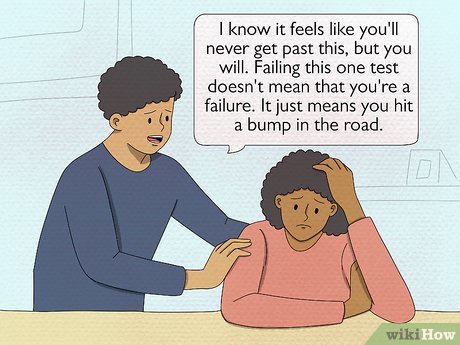
You don’t have to face academic pressure alone. Many students feel embarrassed or hesitant to ask for help, but support networks are crucial.
- Talk to friends or family about stress—they can provide emotional support.
- Join study groups to share workloads and gain new perspectives.
- Seek guidance from professors or academic advisors for difficult subjects or assignments.
- Don’t hesitate to contact mental health professionals or college counselors if stress feels overwhelming.
Asking for help is a sign of strength, not weakness.
7. Learn to Say No
Overcommitting is a common cause of stress. Between classes, social events, clubs, part-time jobs, and internships, it’s easy to stretch yourself too thin.
Solution: Set boundaries and learn to say no when necessary. Focus on what matters most to your academic goals and personal well-being. Saying no preserves energy and prevents burnout.
8. Practice Stress-Relief Techniques
Stress relief is more than just relaxation—it’s essential for preventing burnout. Explore techniques that work for you:
- Mindfulness or meditation to calm your mind
- Journaling to organize thoughts and express feelings
- Listening to music or engaging in hobbies to relax
- Spending time in nature or taking short walks to recharge
Regularly incorporating stress-relief activities reduces pressure and enhances overall mental health.
9. Avoid Comparing Yourself to Others
Social comparison is a major source of academic stress. Seeing peers excel or boasting about achievements can make you feel inadequate. Remember, everyone’s journey is different, and external appearances rarely reflect true effort or struggles.
Focus on your own progress, celebrate personal achievements, and set goals based on your strengths and interests. Self-awareness and self-compassion are crucial tools against stress.
10. Stay Flexible and Adaptable
Sometimes, even with careful planning, things don’t go as expected—failed exams, missed deadlines, or unexpected challenges can happen. Being rigid and harsh on yourself worsens stress.
Solution: Stay flexible and adaptable. Accept setbacks as part of the learning process. Analyze what went wrong, adjust your approach, and move forward without dwelling excessively on mistakes. Resilience is built through adaptation.
11. Maintain a Balanced Social Life
College isn’t just about academics—it’s also about personal growth and relationships. Maintaining connections with friends, family, and peers provides emotional support and reduces stress.
Balance study with social activities. Even short breaks with friends, sharing a meal, or casual conversations can refresh your mind and prevent burnout.
Conclusion
Academic pressure and burnout are common challenges in college, but they are manageable with the right strategies. Recognize early signs of stress, set realistic goals, plan and prioritize tasks, and take regular breaks. Maintain a healthy lifestyle, seek support when needed, and learn to say no to unnecessary commitments. Practice stress-relief techniques, avoid unhealthy comparisons, and stay adaptable in the face of setbacks.
Handling academic pressure is not just about surviving—it’s about thriving. By adopting these strategies, students can maintain mental, emotional, and physical well-being while achieving academic success. College is a time of growth, learning, and self-discovery. With awareness and balance, you can navigate academic challenges without sacrificing your health or happiness.
Remember, your well-being comes first. Grades are important, but so is maintaining balance, preventing burnout, and enjoying your college journey.












Leave a Reply