
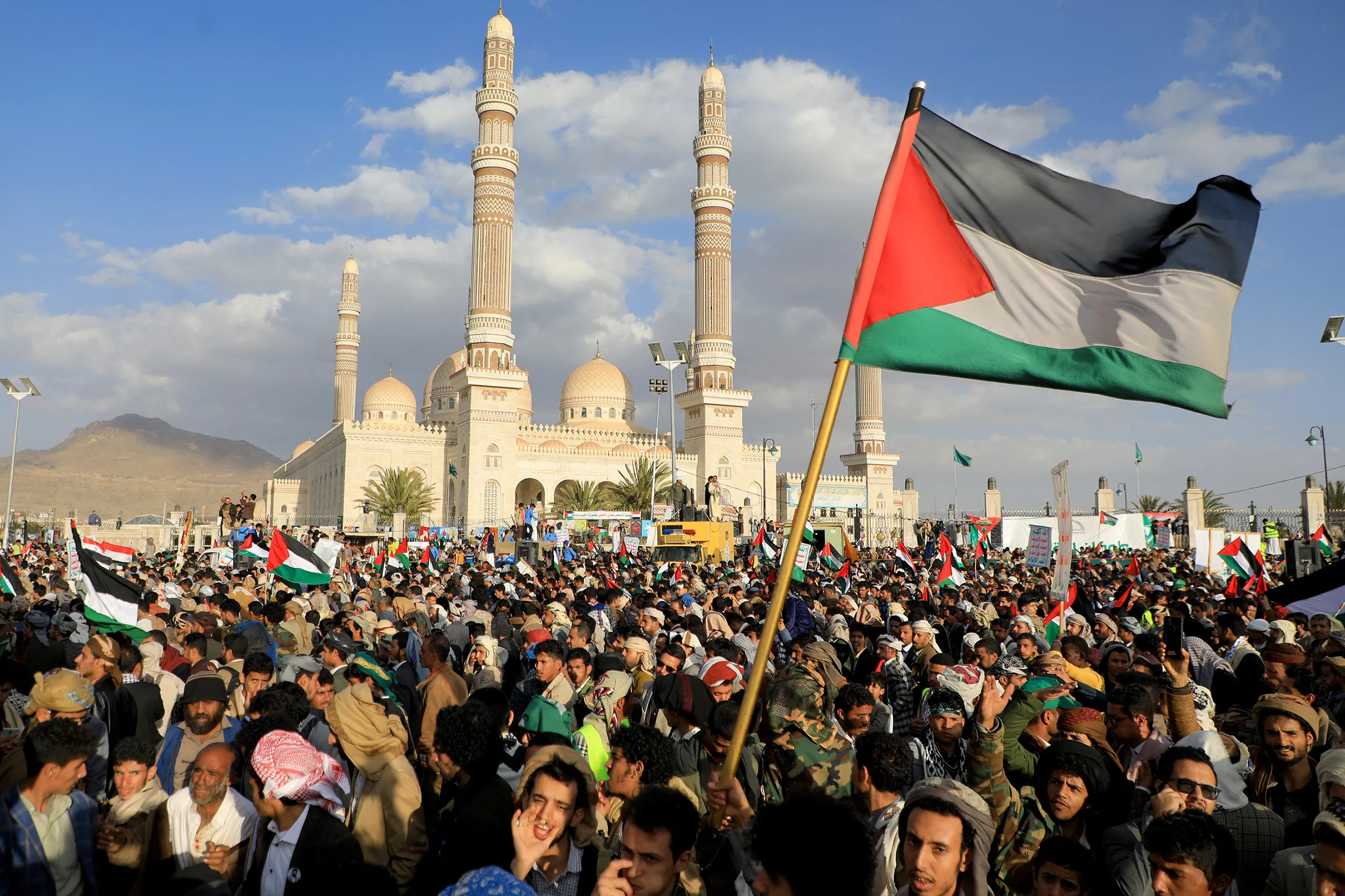
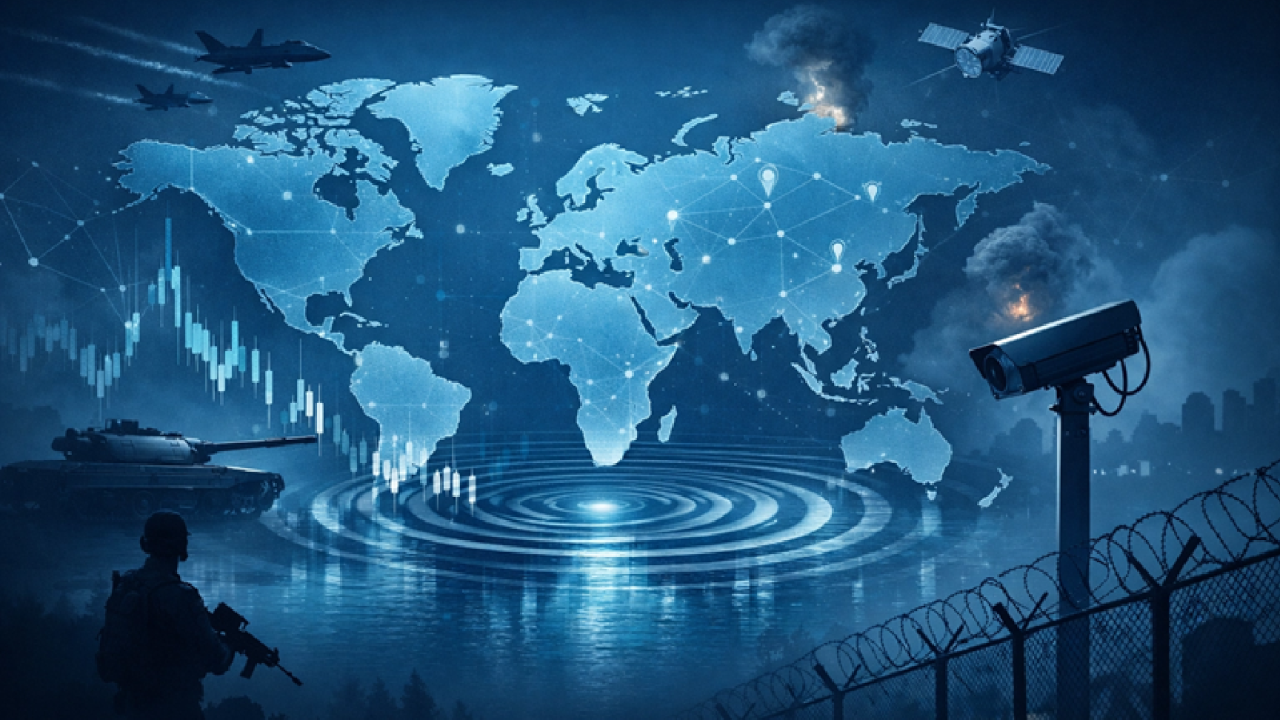
The Middle East is once again at the center of global attention as tensions continue to rise, creating fears of a broader conflict with worldwide consequences. The ongoing escalation involving Iran, Israel, and the United States has not only increased regional instability but has also triggered economic and political concerns across the globe.
At the heart of the current situation lies a long-standing rivalry shaped by ideological differences, strategic interests, and regional influence. Iran has expanded its presence in countries like Syria and Iraq, while Israel views this expansion as a direct threat to its national security. The United States, a key ally of Israel, has also played a major role in shaping the region’s political dynamics.
Recent developments have significantly intensified the situation. Reports of military movements, drone activity, and naval presence in key areas have increased fears of direct confrontation. One of the most sensitive points in this conflict is the Strait of Hormuz, a narrow but crucial waterway through which a large portion of the world’s oil supply passes. Any disruption in this region could have immediate and severe consequences for global energy markets.
As tensions rise, global oil prices have already started to react. Even minor disruptions or threats in the Middle East can cause sharp increases in fuel prices. This directly impacts transportation, manufacturing, and daily living costs worldwide. Countries that rely heavily on oil imports are especially vulnerable, as higher energy prices can lead to inflation and economic instability.
Beyond the economic impact, the risk of military escalation remains a serious concern. A direct conflict involving Iran and Israel could quickly draw in other nations, including the United States. Such a scenario could transform a regional dispute into a wider international crisis. The presence of multiple armed groups and alliances in the region further complicates the situation, increasing the chances of unintended escalation.
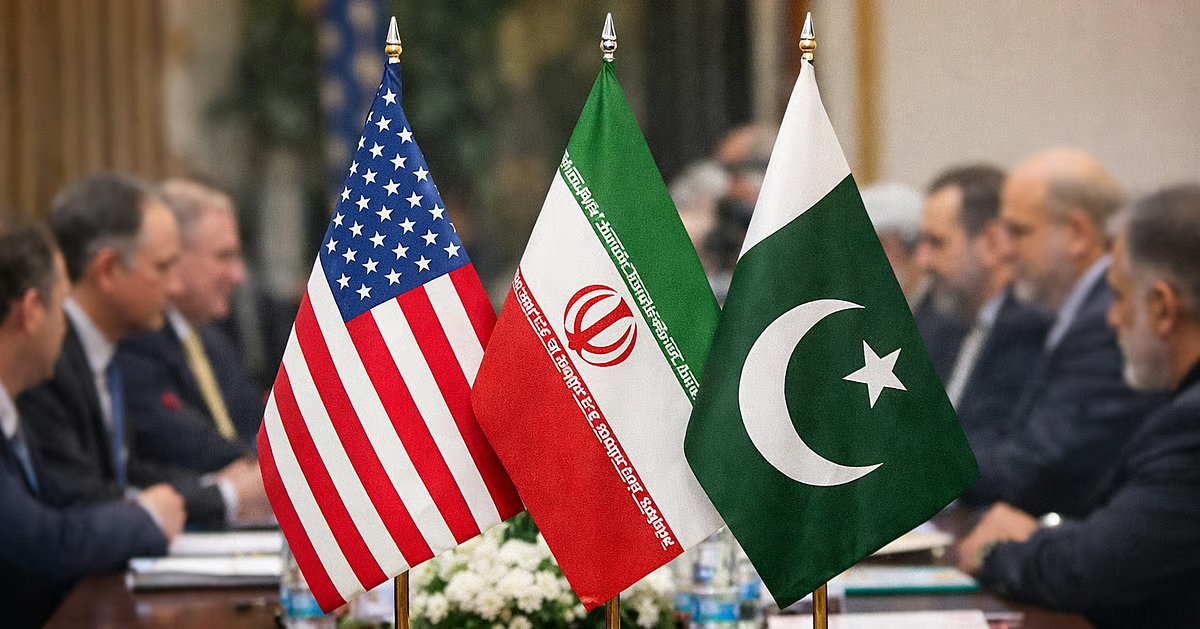
Diplomatic efforts are ongoing, but progress remains uncertain. Organizations like the United Nations continue to call for restraint and peaceful dialogue. However, deep-rooted mistrust and conflicting interests make negotiations extremely challenging. While some countries advocate for de-escalation, others are strengthening their military positions as a precaution.
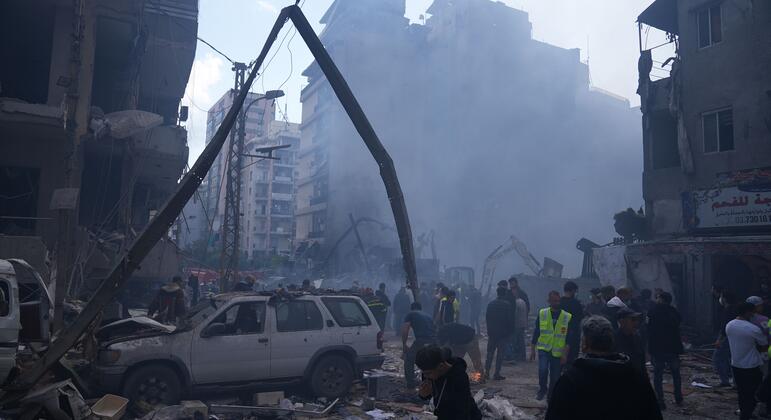
The humanitarian impact of this conflict is another major concern. Past conflicts in the Middle East have already caused significant loss of life, displacement of millions, and destruction of infrastructure. If the current tensions escalate further, civilians in affected regions could face severe hardships, including shortages of food, water, and medical supplies. Humanitarian organizations warn that the situation could worsen rapidly if peace efforts fail.
Another important aspect of the crisis is its effect on global politics. The involvement of major powers reflects the strategic importance of the Middle East, particularly due to its vast energy resources and geographical position. Countries around the world are closely monitoring the situation, as any major escalation could disrupt international trade, financial markets, and diplomatic relations.
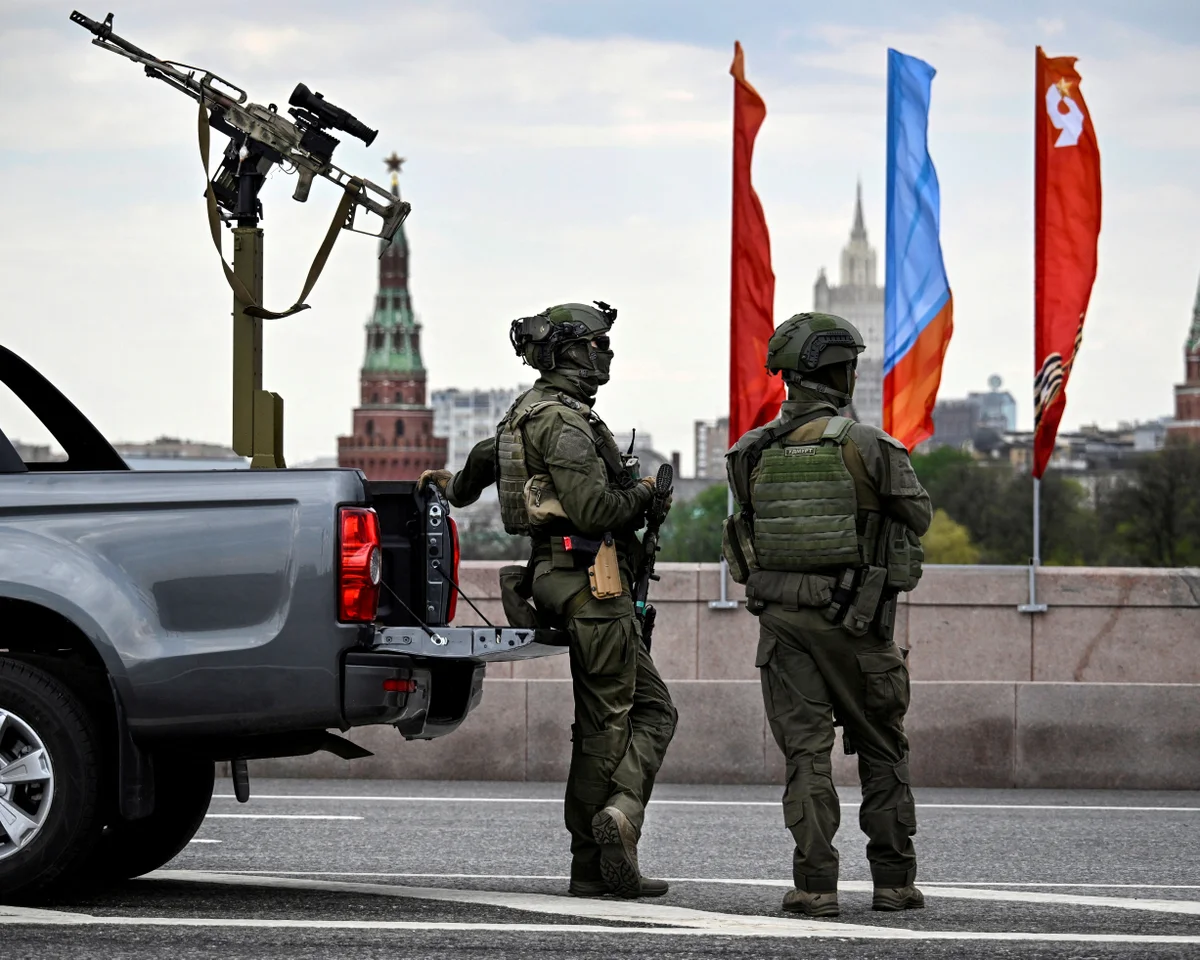
In addition, modern warfare technologies such as drones, cyber operations, and advanced missile systems are playing a significant role in the current tensions. This makes the conflict more unpredictable and potentially more dangerous than in the past. The use of such technologies increases the risk of rapid escalation, even from small incidents.
In conclusion, the current escalation in the Middle East represents a critical moment for global stability. The situation involving Iran, Israel, and the United States is not just a regional issue but a global concern with far-reaching consequences. Rising oil prices, economic uncertainty, and the risk of military conflict highlight the urgency of diplomatic solutions.
The coming weeks will be crucial in determining whether tensions can be reduced or if the world will face a larger crisis. Strong leadership, international cooperation, and a commitment to peace will be essential to prevent further escalation and ensure stability in the region and beyond.








Leave a Reply