Category: world news

  • Ukraine War, Drone Attacks, and Moscow Airport Security Searches Surge in Russia During 2026

    Ukraine War, Drone Attacks, and Moscow Airport Security Searches Surge in Russia During 2026

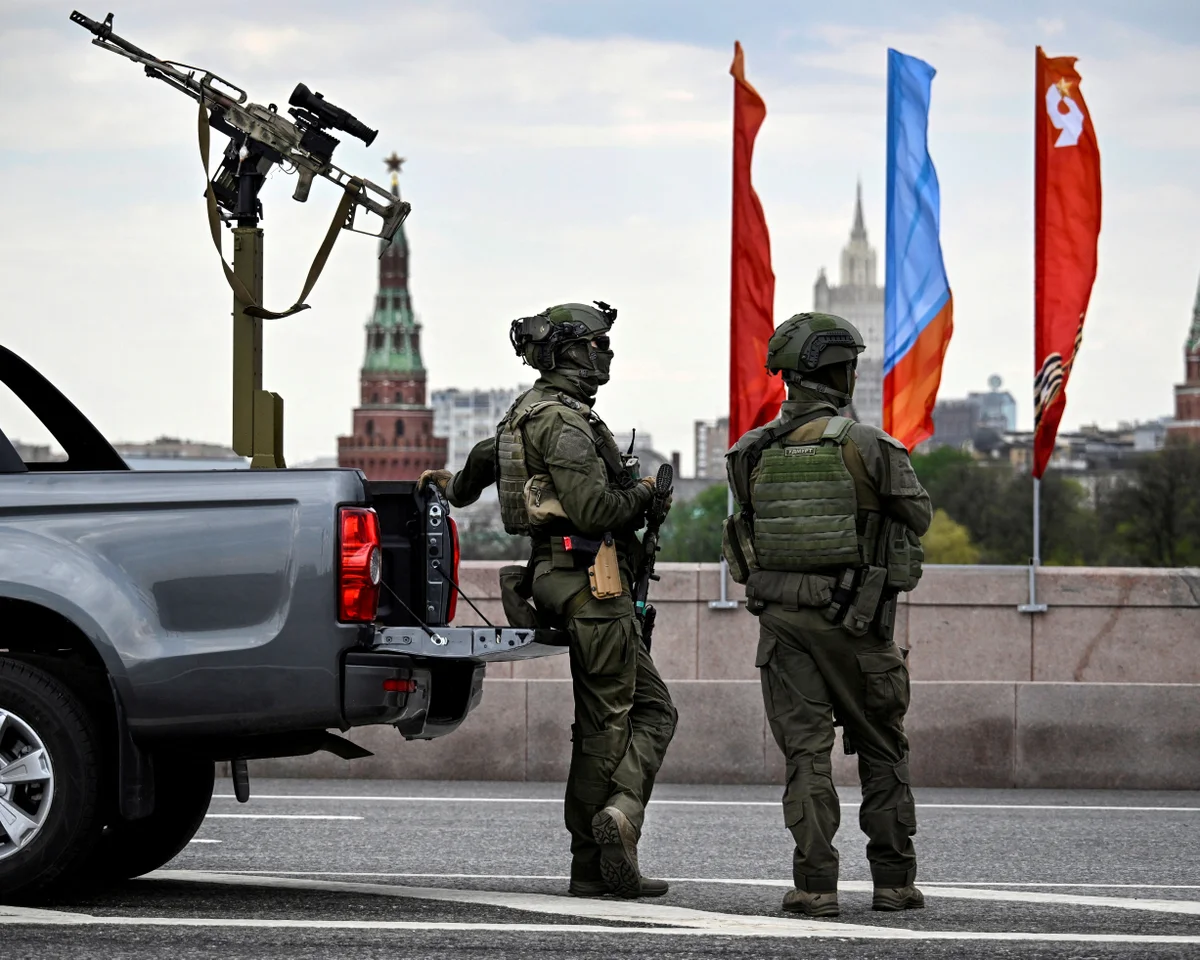
    Russia is witnessing a major rise in online searches related to the Ukraine war, drone attacks, and Moscow airport security as geopolitical tensions continue shaping global headlines in 2026. Search trends show that millions of users are actively looking for updates on military operations, air defense systems, airport restrictions, and regional security developments.

    The ongoing conflict between Russia and Ukraine remains one of the most discussed global issues, and its impact is increasingly visible in online behavior. From breaking news updates to public safety concerns, internet users across Russia are searching for real-time information regarding drone incidents, transportation disruptions, and military developments.

    Experts say the surge in searches reflects growing public interest in national security, international politics, and the direct effects of the conflict on daily life.

    Ukraine War Continues to Dominate Search Trends

    The Ukraine war remains the leading topic across Russian news platforms and search engines. People are constantly searching for:

    • Latest Ukraine war updates
    • Russia military operations
    • Ceasefire discussions
    • Drone strike news
    • International reactions

    As military developments continue evolving, online audiences are relying heavily on digital platforms for instant information. News related to border tensions, defense systems, and strategic operations often becomes trending content within minutes.

    The conflict has also generated intense discussions on social media, where videos, reports, and eyewitness accounts quickly spread across platforms. This digital activity contributes significantly to the rise in search engine traffic related to the war.

    Drone Attacks Become a Major Public Concern

    One of the fastest-growing search topics in Russia involves drone attacks and air defense systems. Reports of drone activity near strategic locations and urban centers have increased public curiosity and concern.

    Searches related to:

    • Drone attacks in Russia
    • Moscow drone incidents
    • Air defense systems
    • Military drones
    • Security alerts

    have seen strong growth throughout 2026.

    Security experts believe the rise in drone-related searches reflects how modern warfare is increasingly involving advanced unmanned technologies. Drones are now playing a critical role in surveillance, intelligence gathering, and military operations.

    Videos and images shared online after drone-related incidents often go viral, causing spikes in public interest and media coverage.

    Moscow Airport Security Searches Increase Rapidly

    Another major trend in Russia involves Moscow airport security and transportation safety. Travelers are increasingly searching for information about:

    • Moscow airport restrictions
    • Flight delays
    • Security procedures
    • Airport closures
    • Emergency travel updates

    As security measures tighten in response to regional tensions, airports have become a central focus of public attention.

    Increased surveillance, stricter passenger screening, and temporary flight disruptions have led many travelers to monitor airport conditions online before traveling. Search activity often spikes immediately after reports of drone threats or security incidents near transportation hubs.

    Industry analysts say transportation infrastructure is becoming more closely connected to national security concerns, especially during periods of geopolitical instability.

    Social Media and Real-Time News Drive Search Traffic

    Social media platforms are playing a major role in increasing search activity across Russia. Viral videos, breaking news clips, and live updates frequently push users toward search engines for verification and additional details.

    Trending topics often include:

    • Explosions and emergency alerts
    • Airport evacuations
    • Military technology
    • Defense systems
    • Government announcements

    The demand for real-time information has made online news consumption faster and more intense than ever before.

    Many users now rely on mobile devices and social platforms to stay informed about security developments as they happen.

    Global Attention on Russia’s Security Situation

    International media coverage has also contributed to rising search trends. Global audiences are closely monitoring Russia’s military operations, air defense systems, and infrastructure security.

    Search interest is growing not only within Russia but also across Europe, Asia, and North America as governments, analysts, and investors assess the broader geopolitical impact of the conflict.

    Topics gaining international attention include:

    • Energy security
    • Aviation safety
    • Cybersecurity
    • Defense technology
    • Regional stability

    Experts believe the situation will continue influencing global political discussions throughout the year.

    Technology and Modern Warfare Shape Public Interest

    The rise in searches related to drones and military systems highlights the growing role of technology in modern warfare. Artificial intelligence, unmanned aerial systems, and advanced surveillance tools are changing how conflicts are managed and reported.

    People are increasingly interested in understanding:

    • How military drones operate
    • Air defense technologies
    • Cyber warfare systems
    • Modern battlefield strategies

    This technological aspect of the conflict is generating curiosity among both security experts and ordinary internet users.

    Conclusion

    The sharp increase in searches related to the Ukraine war, drone attacks, and Moscow airport security reflects the strong public focus on geopolitical events and national safety in 2026.

    As tensions continue influencing transportation, technology, and daily life, online audiences are turning to digital platforms for instant updates and analysis. Experts believe these search trends will remain highly active as global attention stays focused on developments involving Russia, Ukraine, and regional security issues.

    The combination of real-time news, social media influence, and modern military technology is reshaping how people consume information during international conflicts.

  • Geopolitics & Global Tensions: Understanding Power, Conflict, and the Future of the World

    Geopolitics & Global Tensions: Understanding Power, Conflict, and the Future of the World

    In today’s interconnected world, geopolitics and global tensions play a critical role in shaping international relations, economic stability, and global security. As countries compete for power, resources, and influence, the world is experiencing a complex mix of cooperation and conflict. In 2026, geopolitical dynamics are more important than ever, affecting everything from trade and technology to energy and defense.

    What Is Geopolitics?

    Geopolitics refers to how geography, politics, and economics influence the relationships between countries. It involves the study of power struggles, alliances, and conflicts on a global scale. Governments use geopolitical strategies to protect national interests, expand influence, and maintain security.

    Key factors in geopolitics include:

    • Geographic location and natural resources
    • Economic strength and trade relations
    • Military power and defense strategies
    • Political systems and international alliances

    Understanding geopolitics helps explain why countries cooperate in some areas while competing in others.

    Major Causes of Global Tensions

    Global tensions arise from a variety of sources, often interconnected and complex. One major cause is competition for natural resources such as oil, gas, and rare minerals. As demand for these resources increases, countries may come into conflict over access and control.

    Another key factor is economic rivalry. Major global powers are competing for dominance in trade, technology, and investment. Trade disputes, tariffs, and sanctions are common tools used in these rivalries.

    Political differences and ideological conflicts also contribute to tensions. Countries with different governance systems or values may clash over issues such as human rights, democracy, and global policies.

    The Role of Technology in Geopolitics

    Technology has become a central element in modern geopolitics. Nations are investing heavily in areas such as artificial intelligence, cybersecurity, and space exploration. This has led to a new form of competition often referred to as “technological rivalry.”

    Cybersecurity threats, including hacking and data breaches, are increasing. Governments are strengthening digital defenses to protect sensitive information and critical infrastructure.

    In addition, control over advanced technologies can provide strategic advantages, making innovation a key factor in global power.

    Regional Conflicts and Global Impact

    Regional conflicts continue to influence global stability. Disputes over borders, political control, and resources can escalate into larger crises, affecting neighboring countries and international relations.

    These conflicts often lead to humanitarian issues such as displacement, economic disruption, and loss of life. They can also impact global markets, particularly in energy and trade sectors.

    International organizations and diplomatic efforts play a role in managing and resolving conflicts, but solutions are often complex and long-term.

    Economic and Trade Tensions

    Global trade is another area where tensions are evident. Countries impose tariffs, restrictions, and sanctions to protect their economies or pressure rivals. While these measures may serve short-term goals, they can disrupt global supply chains and increase costs for businesses and consumers.

    Economic alliances and trade agreements are also evolving as nations seek to strengthen partnerships and reduce dependence on competitors.

    The Importance of Alliances

    Alliances are a key aspect of geopolitics. Countries form partnerships to enhance security, economic cooperation, and political influence. Military alliances, trade blocs, and international organizations help nations work together on shared goals.

    However, alliances can also contribute to tensions, especially when rival groups compete for influence. Balancing cooperation and competition is a constant challenge in global politics.

    The Future of Global Relations

    The future of geopolitics is likely to be shaped by a combination of competition and collaboration. Emerging powers are gaining influence, creating a more multipolar world where no single country dominates.

    Issues such as climate change, global health, and economic stability will require international cooperation. At the same time, competition in technology, resources, and military power will continue to drive tensions.

    Diplomacy, innovation, and strategic partnerships will play a crucial role in maintaining global stability.

    Conclusion

    Geopolitics and global tensions are defining features of the modern world. As countries navigate complex relationships and competing interests, the balance between conflict and cooperation remains delicate.

    Understanding these dynamics is essential for individuals, businesses, and governments alike. By recognizing the forces shaping global relations, we can better prepare for the challenges and opportunities of the future.

  • EU Approves €90 Billion Loan for Ukraine and Imposes Fresh Russia Sanctions

    EU Approves €90 Billion Loan for Ukraine and Imposes Fresh Russia Sanctions

    The European Union has taken a major step in its ongoing support for Ukraine by approving a massive €90 billion financial package, alongside introducing a new round of sanctions against Russia. This significant development marks a turning point in the geopolitical landscape, reinforcing Europe’s commitment to Ukraine while increasing pressure on Moscow amid the continuing conflict.

    A Landmark Financial Package

    The €90 billion loan approved by the European Union represents one of the largest financial aid packages in the bloc’s history. The funding is designed to stabilize Ukraine’s economy, support reconstruction efforts, and ensure the functioning of essential government services during a time of war.

    Ukraine has faced severe economic challenges since the conflict escalated, including infrastructure destruction, disrupted trade, and declining revenues. This financial assistance aims to prevent economic collapse and provide the Ukrainian government with the resources needed to maintain stability.

    European leaders emphasized that the package is not just about financial aid but also about long-term resilience. The funds are expected to be distributed over a period of time, ensuring sustained support rather than a one-time injection.

    Strengthening Support for Ukraine

    The EU’s decision sends a strong political message of solidarity with Ukraine. By committing such a substantial amount, European nations are signaling that they are prepared to stand by Ukraine for the long haul.

    This move also reflects growing concerns within Europe about regional security. A stable Ukraine is seen as essential for maintaining balance and preventing further escalation of conflict in Eastern Europe.

    In addition to financial aid, EU countries continue to provide humanitarian assistance, military support, and diplomatic backing. The combined efforts aim to strengthen Ukraine’s position both on the battlefield and in international negotiations.

    New Sanctions on Russia

    Alongside the financial package, the European Union has introduced a fresh round of sanctions targeting Russia. These measures are part of a broader strategy to weaken Russia’s economic and military capabilities.

    The new sanctions reportedly focus on key sectors such as energy, banking, and defense. Restrictions on exports, financial transactions, and access to international markets are intended to increase pressure on the Russian government.

    European officials argue that sanctions are a necessary tool to hold Russia accountable and to discourage further aggression. However, they also acknowledge that sanctions can have indirect effects on global markets, including energy prices and supply chains.

    Impact on Global Economy

    The EU’s latest actions are expected to have far-reaching economic consequences. Increased sanctions on Russia could lead to further disruptions in global energy supplies, particularly in Europe, which has historically relied on Russian oil and gas.

    At the same time, the €90 billion loan to Ukraine may help stabilize one part of the global economy, reducing the risk of broader financial instability. However, the combined effect of sanctions and ongoing conflict is likely to keep markets volatile.

    Investors and policymakers around the world are closely monitoring the situation, as any escalation could have ripple effects across industries, from energy to agriculture.

    Rising Geopolitical Tensions

    The announcement has intensified geopolitical tensions between the European Union and Russia. Moscow has repeatedly criticized Western support for Ukraine, viewing it as direct interference in the conflict.

    In response to previous sanctions, Russia has taken countermeasures, including restricting exports and strengthening ties with non-Western allies. The latest EU decision could prompt further retaliation, increasing the risk of prolonged confrontation.

    This growing divide highlights the broader shift in global alliances, with countries aligning themselves based on strategic interests and security concerns.

    Reactions from World Leaders

    International reactions to the EU’s decision have been mixed. Western allies, including the United States, have largely welcomed the move, viewing it as a necessary step to support Ukraine and uphold international law.

    On the other hand, some countries have expressed चिंता over the potential economic fallout, particularly in terms of rising energy costs and inflation. Developing nations, in particular, may feel the impact of higher commodity prices.

    Ukraine’s leadership has welcomed the package, describing it as a crucial lifeline for the country’s survival and recovery.

    What Lies Ahead

    As the conflict continues, the EU’s role is likely to remain central. The success of the financial package will depend on effective implementation and coordination among member states.

    Meanwhile, the impact of new sanctions will take time to fully materialize. Analysts suggest that while sanctions can weaken Russia economically, they are unlikely to produce immediate political change.

    Conclusion

    The European Union’s approval of a €90 billion loan for Ukraine, combined with fresh sanctions on Russia, underscores the high stakes of the ongoing conflict. This dual approach—supporting Ukraine while pressuring Russia—reflects a broader strategy aimed at shaping the outcome of the crisis.

    As tensions continue to rise, the world will be watching closely to see how these measures influence the trajectory of the conflict and the future of global stability.

  • Japan Lifts Ban on Lethal Arms Exports: A Historic Shift in Defense Policy

    Japan Lifts Ban on Lethal Arms Exports: A Historic Shift in Defense Policy

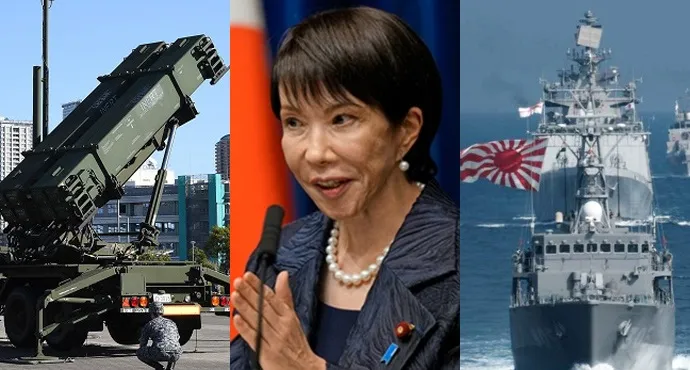
    In a landmark decision that signals a major تحول in its post-war identity, Japan has lifted its long-standing ban on exporting lethal weapons. The move marks one of the most significant changes in Japan’s defense policy since the end of World War II and reflects a rapidly evolving security environment in the Asia-Pacific region.

    This decision has drawn global attention, with supporters viewing it as a necessary step toward strengthening national and regional security, while critics warn of increased militarization and rising tensions.


    Background: Japan’s Pacifist Constitution

    Following its defeat in World War II, Japan adopted a pacifist constitution, most notably Article 9, which renounces war and prohibits the maintenance of traditional military forces for combat purposes. For decades, this constitutional framework shaped Japan’s defense policies, limiting its military activities and restricting arms exports.

    Although Japan established the Self-Defense Forces, its role remained largely defensive. Strict guidelines also prevented Japanese companies from exporting military equipment, particularly lethal weapons.

    Over time, however, regional security challenges and global expectations began to push Japan toward a more flexible interpretation of its defense policies.


    What the Policy Change Means

    The new policy allows Japan to export lethal military equipment under certain conditions. This includes advanced weapons systems, defense technology, and potentially joint development projects with allied countries.

    The decision is expected to:

    • Strengthen Japan’s defense industry
    • Enhance cooperation with allies
    • Contribute to regional security initiatives

    Japanese officials have emphasized that exports will still be regulated and aligned with international law. The government has stated that the goal is not to promote conflict but to support stability and deterrence.


    Why Japan Made This Decision

    Several factors have contributed to this historic shift:

    1. Rising Regional Threats

    Japan faces increasing security concerns, particularly from China and North Korea. Territorial disputes, military expansion, and missile tests have heightened tensions in the region.

    2. Strengthening Alliances

    Japan’s alliance with the United States remains a cornerstone of its security strategy. Allowing arms exports enables Japan to play a more active role in joint defense initiatives and burden-sharing.

    3. Supporting Defense Industry Growth

    The policy change opens new opportunities for Japan’s defense sector, allowing companies to compete in the global arms market. This could boost innovation, create jobs, and strengthen technological capabilities.

    4. Changing Global Security Dynamics

    With increasing geopolitical competition, countries are re-evaluating their defense strategies. Japan’s decision reflects a broader trend toward military modernization and strategic preparedness.


    International Reactions

    China’s Concern

    China has expressed concern over Japan’s decision, warning that it could lead to increased militarization in the region. Chinese officials have urged Japan to adhere to its pacifist principles and avoid actions that might destabilize regional security.

    Given historical tensions between the two countries, China’s reaction highlights the sensitivity of any change in Japan’s military posture.


    Regional and Global Responses

    Other countries have reacted with a mix of caution and support:

    • Some allies welcome Japan’s increased contribution to regional security
    • Others worry about the potential for an arms race in East Asia
    • Analysts stress the importance of transparency and responsible implementation

    Impact on Regional Security

    Japan’s decision could have far-reaching implications for the Asia-Pacific region:

    1. Increased Military Cooperation

    Japan may expand defense partnerships with countries in Southeast Asia and beyond, providing equipment and technology to support their security needs.

    2. Strategic Balance of Power

    The move could alter the balance of power in the region, particularly in areas like the South China Sea.

    3. Risk of Escalation

    While intended as a deterrent, increased arms exports could contribute to rising tensions if perceived as aggressive by neighboring countries.


    Domestic Debate in Japan

    The policy change has sparked significant debate within Japan:

    • Supporters argue that it is necessary for national security
    • Critics fear it undermines Japan’s pacifist identity

    Public opinion remains divided, reflecting broader questions about Japan’s role in the world.


    Economic Implications

    Beyond security, the decision has economic dimensions:

    • Japanese defense companies gain access to international markets
    • Potential for increased research and development investment
    • Opportunities for joint ventures with global partners

    This could position Japan as a key player in the global defense industry.


    Challenges Ahead

    Despite its potential benefits, the policy shift also presents challenges:

    • Ensuring compliance with international regulations
    • Managing diplomatic relations with neighboring countries
    • Balancing economic interests with ethical considerations

    Effective governance and transparency will be crucial in addressing these issues.


    Conclusion

    Japan’s decision to lift its ban on lethal arms exports marks a turning point in its post-war history. As the country adapts to a changing security environment, it faces the challenge of balancing its pacifist legacy with the demands of modern geopolitics.

    The move reflects broader shifts in global power dynamics and underscores the growing importance of the Asia-Pacific region in international affairs. Whether this policy will enhance stability or contribute to rising tensions remains to be seen.

    What is clear, however, is that Japan is entering a new era—one that will shape its role on the global stage for years to come.

  • China Warns Against US, Philippines, and Japan Joint Drills: Rising Tensions Threaten Regional Trust

    China Warns Against US, Philippines, and Japan Joint Drills: Rising Tensions Threaten Regional Trust

    Growing military cooperation between the United States, Philippines, and Japan has sparked a sharp reaction from China, which has warned that such joint exercises risk undermining regional trust and stability. As geopolitical competition intensifies in the Asia-Pacific, these developments highlight the fragile balance of power and the increasing risk of confrontation.


    China’s Strong Warning

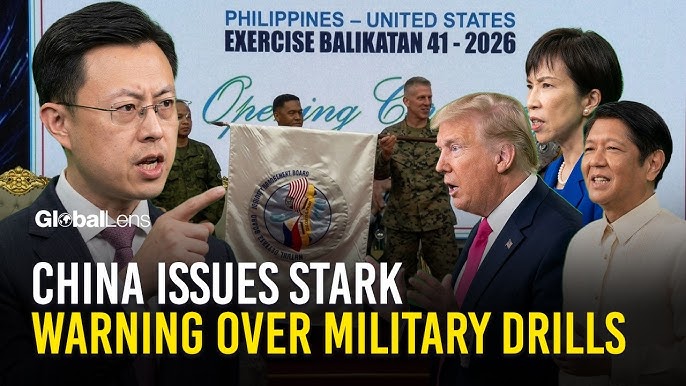
    China has openly criticized the joint military drills conducted by the United States, Japan, and the Philippines, calling them provocative and destabilizing. The Ministry of Foreign Affairs of China stated that such actions “erode mutual trust among regional countries” and could escalate tensions unnecessarily.

    According to Chinese officials, the Asia-Pacific region should prioritize peace, cooperation, and economic development rather than military alliances and power displays. Beijing views these joint drills as part of a broader strategy to contain China’s rise and limit its influence in the region.


    What Are These Joint Military Drills?

    The joint exercises involve coordinated operations between the armed forces of the three countries. These drills typically include naval maneuvers, air defense training, amphibious landings, and strategic coordination exercises.

    For the United States and its allies, these drills are intended to improve interoperability, strengthen defense capabilities, and ensure preparedness in the face of potential security threats. The Philippines, in particular, has increased its military cooperation with the United States amid ongoing territorial disputes in the South China Sea.

    Japan, meanwhile, has been expanding its defense role in recent years, moving away from its traditionally pacifist stance. Its participation in such drills reflects a broader shift in its security policy.


    The South China Sea Factor

    A key source of tension behind these developments is the South China Sea, a strategically vital waterway rich in natural resources and critical for global trade.

    China claims a significant portion of the South China Sea, a position contested by several countries, including the Philippines. The United States has repeatedly conducted “freedom of navigation” operations in the region, challenging China’s territorial claims.

    Joint military exercises involving the United States, Japan, and the Philippines are often seen as a response to China’s growing presence and assertiveness in these disputed waters.


    The Philippines’ Strategic Shift

    The Philippines has taken a more assertive stance in recent years, strengthening its alliance with the United States. Joint drills have become more frequent and more extensive, signaling a shift in Manila’s defense strategy.

    For the Philippines, these exercises are not just symbolic—they are a practical necessity. Facing increasing pressure in disputed waters, the country views its partnership with the United States and Japan as essential for safeguarding its sovereignty.

    However, this shift has also placed the Philippines at the center of regional tensions, as China views such alliances with suspicion.


    Japan’s Expanding Military Role

    Japan’s involvement in these drills marks a significant evolution in its defense posture. Historically constrained by a pacifist constitution, Japan has gradually expanded its military capabilities and international engagement.

    Participation in joint exercises with the United States and the Philippines reflects Tokyo’s growing concern about regional security and its willingness to play a more active role.

    China, however, remains wary of Japan’s military normalization, given the historical context of World War II. This adds another layer of complexity to an already tense situation.


    US Strategy in the Indo-Pacific

    For the United States, these joint drills are part of a broader Indo-Pacific strategy aimed at maintaining regional stability and countering potential threats. Strengthening alliances with countries like Japan and the Philippines is seen as crucial for ensuring a balance of power.

    The United States has emphasized that its actions are defensive in nature and intended to uphold international law. However, China perceives these moves as efforts to encircle and contain it.

    This difference in perception is a major driver of ongoing tensions.


    Impact on Regional Trust and Stability

    China’s warning about “eroding regional trust” reflects deeper concerns about the long-term implications of increased military activity. As countries in the region align themselves with different powers, the risk of division and conflict grows.

    Frequent military drills can create a cycle of action and reaction, where one country’s defensive measures are seen as aggressive by another. This dynamic can escalate tensions even in the absence of direct conflict.

    Smaller countries in the region may also feel pressured to choose sides, further complicating the geopolitical landscape.


    The Role of Diplomacy

    Despite rising tensions, experts stress the importance of diplomacy in managing disputes. Dialogue, confidence-building measures, and multilateral cooperation are essential for preventing escalation.

    Regional organizations and forums can play a role in facilitating communication and reducing misunderstandings. However, achieving meaningful progress requires trust—and that is precisely what China claims is being undermined.


    A Region at a Crossroads

    The Asia-Pacific region is at a critical juncture. Economic interdependence remains strong, but political and military tensions are increasing. The challenge for regional leaders is to find a balance between security concerns and the need for cooperation.

    China’s warning serves as a reminder that actions taken in the name of security can have unintended consequences. Without careful management, the current trajectory could lead to greater instability.


    Conclusion

    The joint military drills involving the United States, Japan, and the Philippines have become a focal point of rising tensions in East Asia. China’s strong response underscores the deep divisions and competing interests shaping the region.

    As geopolitical competition intensifies, the need for dialogue and mutual understanding becomes more urgent. Whether regional powers can navigate these challenges without escalating conflict will be a defining question for the future of the Asia-Pacific.

  • China Condemns Japan’s Yasukuni Shrine Visits: Rising Tensions in East Asia

    China Condemns Japan’s Yasukuni Shrine Visits: Rising Tensions in East Asia

    Tensions between China and Japan have once again escalated after strong reactions from Beijing over recent visits and offerings made by Japanese leaders at the controversial Yasukuni Shrine. The issue, deeply rooted in historical grievances, continues to strain diplomatic relations between the two major Asian powers.

    Why the Yasukuni Shrine Is So Controversial

    The Yasukuni Shrine, located in Tokyo, honors Japan’s war dead, including several convicted Class-A war criminals from World War II. For China and other neighboring countries that suffered under Japanese occupation, the shrine symbolizes Japan’s militaristic past and lack of full accountability.

    Whenever Japanese political figures visit or send ritual offerings to the shrine, it often sparks outrage in Beijing. Chinese officials argue that such actions glorify a painful history and undermine efforts toward reconciliation in the region.

    China’s Strong Response

    The Chinese government has issued a sharp condemnation of the recent shrine-related activities. Officials from Ministry of Foreign Affairs of China stated that Japan must “face and reflect on its history honestly” and warned that such actions damage mutual trust.

    Chinese media outlets and social platforms have also amplified public anger, with many users criticizing Japan for what they perceive as repeated insensitivity toward historical issues. The reaction highlights how deeply emotional and politically significant this matter remains in China.

    Japan’s Position

    On the other hand, leaders in Japan maintain that visits to the Yasukuni Shrine are a domestic matter tied to honoring those who sacrificed their lives for the country. Some Japanese officials argue that the actions are not intended to provoke neighboring countries but rather to preserve national tradition.

    However, critics within Japan and abroad say that such visits complicate diplomatic relations and hinder regional cooperation, especially at a time when geopolitical stability is crucial.

    Impact on China-Japan Relations

    Relations between China and Japan have long been shaped by a mix of economic cooperation and political tension. While both countries are major trading partners, historical disputes—such as those linked to World War II—continue to resurface.

    Recent developments suggest that ties may become more strained if symbolic actions like shrine visits continue. Diplomatic dialogues could face setbacks, and public sentiment in both countries may grow increasingly negative.

    Broader Regional Implications

    The controversy comes at a time when East Asia is already facing heightened geopolitical challenges. Issues such as territorial disputes, military activities, and alliances involving global powers add layers of complexity to regional stability.

    Analysts warn that symbolic disputes, though not directly linked to military conflict, can escalate tensions and influence broader strategic decisions. In such an environment, even cultural or historical gestures carry significant political weight.

    Calls for Dialogue and Stability

    International observers and political analysts emphasize the need for constructive dialogue between China and Japan. Addressing historical grievances through open communication and mutual respect is seen as essential for long-term peace and cooperation in the region.

    Efforts to improve bilateral relations may require both sides to adopt more sensitive approaches to historical issues while focusing on shared economic and security interests.

    Conclusion

    The latest dispute over the Yasukuni Shrine highlights how history continues to shape modern geopolitics in East Asia. As China condemns Japan’s actions, the incident serves as a reminder that unresolved historical tensions can quickly resurface and impact present-day relations.

    For the region to move forward, both nations must find a balance between honoring their past and building a stable future. Without careful diplomacy, such controversies risk deepening divides and affecting not only bilateral ties but also the broader stability of East Asia.

  • Natural Concerns in Japan: Earthquakes, Preparedness, and Ongoing Risks in 2026

    Natural Concerns in Japan: Earthquakes, Preparedness, and Ongoing Risks in 2026

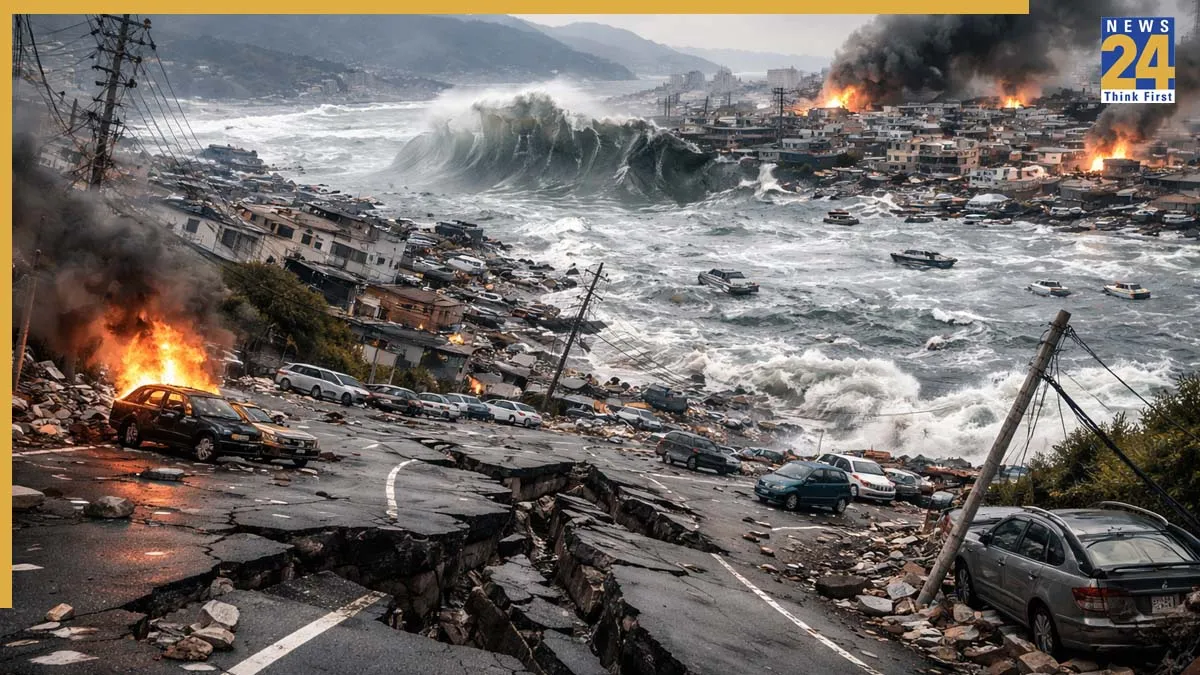
    Japan remains one of the most disaster-prone countries in the world, facing constant natural threats due to its unique geographic location. Situated along the Pacific Ring of Fire, the country experiences frequent earthquakes, volcanic activity, and occasional tsunamis. In 2026, natural concerns in Japan continue to dominate headlines, as authorities and citizens remain vigilant against potential disasters.

    Why Japan Faces Frequent Natural Disasters

    Japan’s vulnerability to natural disasters is largely due to its position at the intersection of several tectonic plates. These include the Pacific Plate, Philippine Sea Plate, and Eurasian Plate. The movement of these plates causes seismic activity, resulting in frequent earthquakes of varying magnitudes.

    Every year, Japan experiences thousands of small tremors, most of which go unnoticed by the public. However, the risk of a major earthquake always exists. This constant threat has shaped Japan’s infrastructure, policies, and daily life.

    Recent Earthquake Activity

    In recent months, Japan has reported several minor to moderate earthquakes. While these tremors have not caused major damage, they serve as reminders of the country’s ongoing seismic risks.

    Cities like Tokyo and Osaka regularly conduct emergency drills to prepare residents for potential disasters. Authorities closely monitor seismic activity and issue alerts when necessary, ensuring that people can respond quickly in case of an emergency.

    The memory of past disasters, such as the 2011 Tōhoku Earthquake and Tsunami, continues to influence how seriously these warnings are taken. That event caused widespread destruction and highlighted the devastating impact of natural disasters.

    Government Preparedness and Response

    The Government of Japan has invested heavily in disaster preparedness and risk management. Japan is widely recognized as a global leader in earthquake resilience.

    Buildings in major cities are designed to withstand strong earthquakes using advanced engineering techniques. Flexible structures, shock absorbers, and strict building codes help minimize damage and save lives.

    In addition, Japan has developed one of the most advanced early warning systems in the world. These systems can detect seismic waves and send alerts to smartphones, television broadcasts, and public announcement systems within seconds.

    Emergency response teams are also highly trained and equipped to handle disasters efficiently. Regular drills in schools, offices, and communities ensure that citizens know what to do during emergencies.

    Tsunami and Coastal Risks

    Apart from earthquakes, Japan also faces the threat of tsunamis. Undersea earthquakes can trigger massive waves that travel بسرعة across the ocean and hit coastal areas with devastating force.

    After the 2011 disaster, Japan significantly improved its tsunami defense systems. Coastal barriers, evacuation routes, and warning systems have been upgraded to reduce the impact of future events.

    Despite these improvements, experts warn that the risk cannot be completely eliminated. Coastal communities remain particularly vulnerable, and continuous vigilance is required.

    Volcanic Activity and Other Hazards

    Japan is home to over 100 active volcanoes, including the iconic Mount Fuji. While most volcanoes are dormant, occasional eruptions can disrupt air travel, agriculture, and local communities.

    In addition to earthquakes and volcanic activity, Japan also experiences typhoons, landslides, and flooding. Climate change is further intensifying some of these risks, leading to more extreme weather patterns.

    Public Awareness and Community Role

    One of Japan’s greatest strengths in dealing with natural disasters is its culture of preparedness. Citizens are educated from a young age about emergency procedures and safety measures.

    Households often keep emergency kits with food, water, and medical supplies. Communities work together during crises, showing strong social cohesion and resilience.

    Public awareness campaigns and regular training exercises help ensure that people remain prepared at all times.

    Future Challenges

    While Japan has made significant progress in disaster management, challenges remain. Aging infrastructure in some areas, increasing urban population, and the unpredictability of natural disasters pose ongoing risks.

    Experts are also concerned about the possibility of a large-scale earthquake in regions like the Nankai Trough. Such an event could have severe economic and human consequences.

    To address these challenges, Japan continues to invest in research, technology, and international cooperation.

    Conclusion

    Natural concerns in Japan are a constant reality, shaped by its geographic location and environmental conditions. From earthquakes and tsunamis to volcanic eruptions and typhoons, the risks are ever-present.

    However, Japan’s commitment to preparedness, innovation, and community resilience sets it apart as a global example in disaster management. While the dangers cannot be completely avoided, the country’s proactive approach ensures that it remains ready to face whatever challenges nature may bring.

  • Middle East Situation Still Dangerous: Rising Tensions and Global Impact in 2026

    Middle East Situation Still Dangerous: Rising Tensions and Global Impact in 2026

    The Middle East remains one of the most volatile regions in the world, and in 2026, the situation continues to be dangerously unstable. Despite temporary ceasefires and ongoing diplomatic efforts, multiple conflicts and geopolitical rivalries are keeping the region on edge. From military confrontations to economic risks, the current crisis has far-reaching implications for global security and stability.

    Ongoing Conflicts Fuel Instability

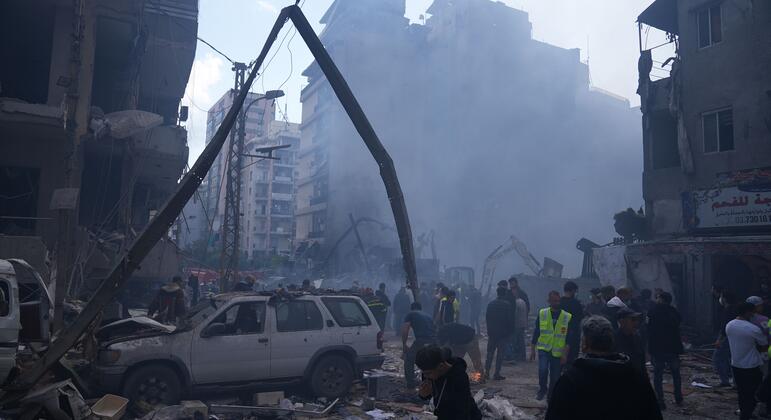
    One of the primary reasons the Middle East remains dangerous is the continuation of armed conflicts across several countries. The tensions involving Iran, Israel, and various non-state actors have created a highly unpredictable environment. Missile exchanges, airstrikes, and border skirmishes have become frequent, increasing the risk of a full-scale regional war.

    In addition, conflicts in countries like Syria and Yemen continue to contribute to instability. These prolonged wars have not only devastated local populations but have also created power vacuums that allow militant groups to operate freely. As a result, peace in the region remains fragile and difficult to achieve.

    Strategic Importance of the Strait of Hormuz

    A key factor that makes the Middle East crisis globally significant is the Strait of Hormuz. This narrow waterway is one of the most important النفط (oil) transit routes in the world. A large percentage of global oil supply passes through this route, making it a critical point for international trade.

    Recent military activity near the Strait of Hormuz has raised serious concerns. Naval deployments, threats of blockades, and security incidents have increased the risk of disruption. Any closure or instability in this region could lead to a sharp rise in global oil prices, affecting economies worldwide.

    Impact on Global Economy

    The ongoing tensions in the Middle East are already affecting the global economy. Oil price fluctuations have created uncertainty in energy markets, leading to higher fuel costs in many countries. This, in turn, contributes to inflation and increases the cost of living.

    Moreover, investors are becoming cautious due to geopolitical risks. Stock markets have shown signs of volatility, and international trade routes are under pressure. Countries that rely heavily on Middle Eastern oil are particularly vulnerable, as any disruption could impact their economic stability.

    Diplomatic Efforts and Challenges

    Several countries and international organizations are working to reduce tensions in the Middle East. Diplomatic talks, ceasefire agreements, and peace negotiations are ongoing, but progress has been slow. Deep-rooted political differences, religious divisions, and historical rivalries make it difficult to reach long-term solutions.

    One of the biggest challenges is the lack of trust among the involved parties. Accusations of ceasefire violations and conflicting interests often derail negotiations. Even when agreements are reached, they tend to be temporary and fragile.

    Humanitarian Crisis in the Region

    Beyond politics and economics, the Middle East crisis has created a severe humanitarian situation. Millions of people have been displaced due to ongoing conflicts, and access to basic necessities such as food, water, and healthcare remains limited in many areas.

    Refugee camps are overcrowded, and international aid organizations are struggling to meet the growing demand. Children and vulnerable populations are particularly affected, facing long-term consequences such as lack of education and psychological trauma.

    Risk of Wider Regional War

    Perhaps the most alarming aspect of the current situation is the risk of a wider regional war. With multiple countries involved directly or indirectly, even a small incident could escalate into a larger conflict. Military alliances and proxy wars further complicate the situation.

    Global powers are also closely monitoring the region, as any escalation could draw them into the conflict. This increases the stakes and makes the situation even more dangerous.

    Future Outlook

    The future of the Middle East remains uncertain. While diplomatic efforts continue, there is no clear path to lasting peace. The region’s complexity requires long-term strategies that address not only political issues but also economic and social challenges.

    Stability in the Middle East is crucial for global peace and prosperity. Without meaningful progress, the risks of conflict, economic disruption, and humanitarian crises will continue to grow.

    Conclusion

    The Middle East situation in 2026 is still highly dangerous, with ongoing conflicts, economic risks, and humanitarian challenges. Despite international efforts to bring peace, the region remains on edge.

    Understanding the importance of stability in the Middle East is essential, as its impact extends far beyond regional borders. The coming months will be critical in determining whether diplomacy can prevail or tensions will escalate further.

  • Iran–US Conflict and Pakistan’s Growing Role as a Global Mediator

    Iran–US Conflict and Pakistan’s Growing Role as a Global Mediator

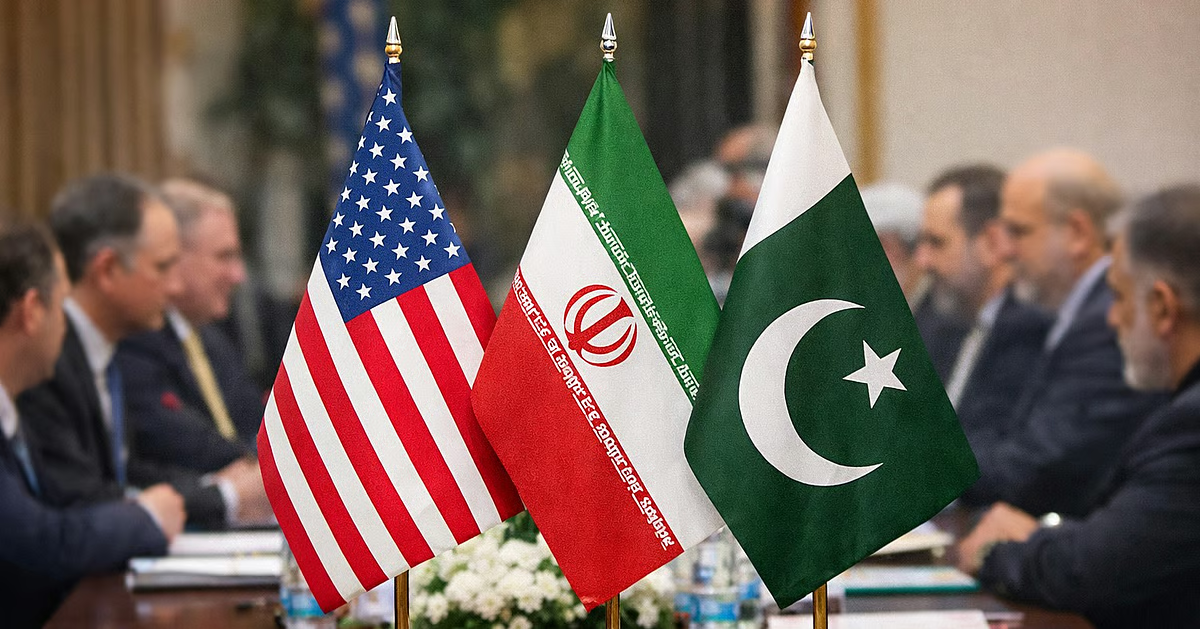
    The ongoing conflict between Iran and the United States has become one of the most critical geopolitical crises of 2026. What started as a military escalation in late February has now evolved into a complex diplomatic standoff involving multiple global players. In this tense situation, Pakistan has emerged as a key mediator, attempting to bridge the gap between two long-standing rivals and prevent a wider regional war.

    Background of the Iran–US Conflict

    The Iran–US conflict intensified after a series of airstrikes and retaliatory attacks that destabilized the Middle East. The situation quickly escalated into a broader confrontation involving missile strikes, naval blockades, and rising tensions in strategic regions such as the Strait of Hormuz. This waterway is crucial for global oil supply, making the conflict not just a regional issue but a global economic concern.

    A temporary ceasefire was established earlier in April 2026, but it remains fragile. The United States extended the ceasefire to allow more time for negotiations, while Iran has shown reluctance to engage under pressure. According to recent reports, Iran has clearly stated it will not participate in talks that resemble surrender or are conducted under threats.

    Pakistan’s Entry as a Mediator

    Pakistan’s involvement in the Iran–US conflict marks a significant shift in its foreign policy and global standing. Traditionally maintaining balanced relations with both Iran and the United States, Pakistan is uniquely positioned to facilitate dialogue. It shares a long border with Iran and has strategic ties with Gulf countries as well as Washington.

    Islamabad hosted initial rounds of indirect talks and played a crucial role in securing the temporary ceasefire. Pakistani leadership has actively engaged in shuttle diplomacy, communicating with both sides to keep negotiations alive.

    The country’s goal is not necessarily to achieve an immediate peace agreement but to ensure that dialogue continues. This approach reflects a realistic understanding of the deep mistrust between Tehran and Washington.

    Challenges in the Peace Process

    Despite Pakistan’s efforts, several challenges continue to hinder progress. One of the biggest obstacles is Iran’s distrust of the United States. Iranian officials have accused Washington of violating ceasefire terms and maintaining military pressure, including naval blockades and seizures of Iranian assets.

    On the other hand, the United States has expressed frustration over Iran’s delayed response and internal divisions. Planned diplomatic visits, including a high-level US delegation to Islamabad, have been postponed due to uncertainty over Iran’s participation.

    This lack of coordination and mutual suspicion has slowed down the negotiation process, making Pakistan’s role even more challenging.

    Strategic Importance of Pakistan’s Role

    Pakistan’s mediation efforts are not just about regional peace—they also carry global significance. By hosting talks and facilitating communication, Pakistan is positioning itself as a responsible and influential player in international diplomacy.

    Analysts believe that successful mediation could enhance Pakistan’s global image, attract foreign investment, and strengthen its diplomatic ties with major powers.

    Moreover, stability in the Middle East directly impacts Pakistan’s economy, particularly in terms of energy imports and trade routes. A prolonged conflict could lead to rising oil prices and economic strain, making peace efforts even more critical for Islamabad.

    Global Implications of the Conflict

    The Iran–US conflict has far-reaching consequences beyond the Middle East. Rising tensions have already affected global oil markets, increased military spending, and created uncertainty in international trade.

    There are also humanitarian concerns, as prolonged conflict could lead to displacement, economic hardship, and instability across the region. International organizations have warned that continued escalation could worsen global inflation and poverty levels.

    Future Outlook

    The future of Iran–US relations remains uncertain. While diplomatic efforts continue, the possibility of renewed conflict cannot be ruled out. The success of Pakistan’s mediation will depend on its ability to maintain neutrality, build trust, and encourage both sides to compromise.

    Although immediate peace seems unlikely, even small steps—such as extending ceasefires or agreeing on basic terms—can pave the way for long-term stability.

    Conclusion

    The Iran–US conflict represents a critical moment in global politics, with significant implications for security, economy, and diplomacy. In this complex scenario, Pakistan’s role as a mediator stands out as both strategic and necessary.

    By facilitating dialogue and promoting peaceful solutions, Pakistan is not only contributing to regional stability but also redefining its position on the global stage. Whether these efforts will lead to a lasting resolution remains to be seen, but one thing is clear: Pakistan has become a central player in one of the world’s most important diplomatic challenges.

  • France’s Print Media Industry Crisis: Causes, Impact, and Future Outlook

    France’s Print Media Industry Crisis: Causes, Impact, and Future Outlook

    France’s print media industry is currently facing a deep and complex crisis. Once considered a cornerstone of democracy and public discourse, traditional newspapers and magazines are now struggling due to economic pressure, rapid digital transformation, and changing audience behavior. This article explores the key causes behind the crisis, its major impacts, and what the future may hold for the industry.

    Background of the Crisis

    France has long had a rich tradition of print journalism. Publications like Le Monde, Le Figaro, and Libération have historically played a vital role in shaping public opinion and maintaining accountability. However, over the past decade, the rise of digital media has significantly disrupted this traditional model.

    Major Causes of the Crisis

    1. Rise of Digital Media

    The growth of online platforms and social media has fundamentally changed how people consume news. Readers now prefer instant, free access to information through websites, apps, and platforms like Facebook, X (formerly Twitter), and YouTube. As a result, print circulation has declined sharply.

    2. Decline in Advertising Revenue

    Advertising was once the financial backbone of print media. Today, most advertisers prefer digital platforms such as Google and Meta, which offer targeted advertising and better analytics. This shift has severely reduced revenue streams for print publications.

    3. Increasing Production Costs

    The cost of paper, printing, and distribution has risen significantly in recent years. Inflation and supply chain disruptions have made it even more expensive to maintain print operations, particularly for smaller and regional newspapers.

    4. Changing Reader Preferences

    Younger generations are less inclined to read physical newspapers. They prefer quick, easily accessible updates on their smartphones. This shift has reduced demand for long-form print journalism.

    Impact of the Crisis

    1. Job Losses

    Many media organizations in France have been forced to lay off staff, including journalists, editors, and production workers. These layoffs have created uncertainty within the industry.

    2. Closure of Local Newspapers

    Several regional and local newspapers have shut down due to financial difficulties. This has weakened local journalism, which plays a crucial role in community awareness and democratic engagement.

    3. Decline in Quality Journalism

    Budget constraints have led to reduced investment in investigative reporting and in-depth journalism. Many outlets are focusing on faster, lower-cost content to stay afloat.

    Government and Industry Response

    The French government has introduced subsidies and financial aid to support struggling media organizations. At the same time, many publishers are experimenting with digital subscription models, encouraging readers to pay for premium content online.

    Future Solutions and Opportunities

    1. Digital Transformation

    Media companies must strengthen their digital presence through websites, mobile apps, and multimedia content such as videos and podcasts. Adapting to digital trends is essential for survival.

    2. Subscription-Based Models

    Paid subscriptions offer a more sustainable revenue stream. As awareness of misinformation grows, more readers are willing to pay for credible and high-quality journalism.

    3. Content Innovation

    Innovative approaches such as data journalism, interactive storytelling, and personalized news experiences can attract modern audiences and improve engagement.

    4. Building Trust and Credibility

    In an era of misinformation, trust has become a valuable asset. Media organizations that maintain accuracy, transparency, and credibility are more likely to build a loyal audience.

    Conclusion

    The crisis facing France’s print media industry is both a challenge and an opportunity. Traditional business models are no longer sufficient, and adaptation is necessary. By embracing digital innovation, exploring new revenue streams, and focusing on quality journalism, the industry can navigate this transition and remain a vital part of society.