
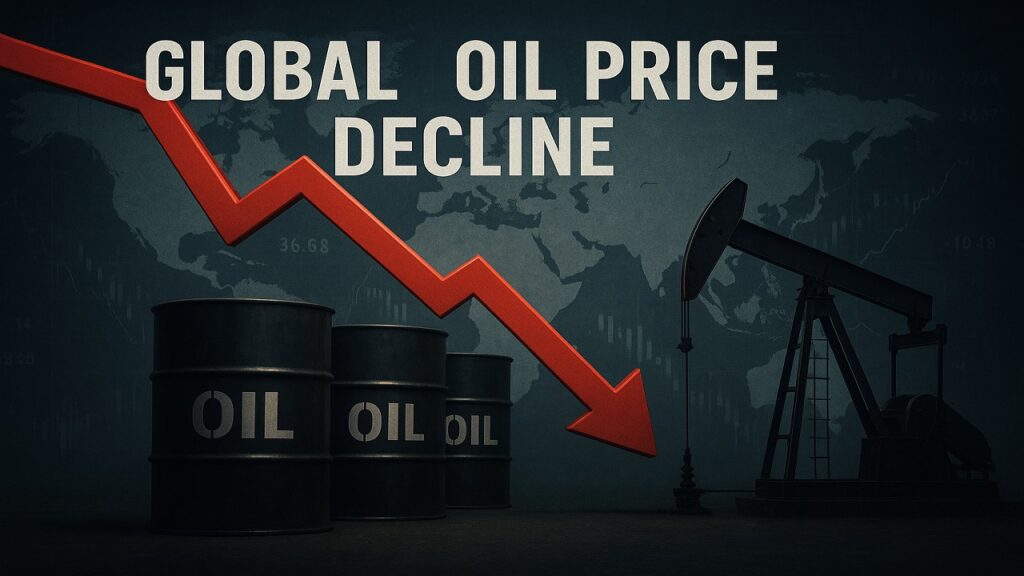
Rising oil prices have once again become a major global concern in 2026, affecting economies, businesses, and everyday life. As geopolitical tensions increase—especially involving Iran and key shipping routes like the Strait of Hormuz—energy markets are experiencing significant volatility. This article explores the causes of rising oil prices, their global impact, and what it means for the future.
Why Oil Prices Are Rising in 2026
One of the primary reasons behind rising oil prices is geopolitical instability in the Middle East. Conflicts and tensions in oil-producing regions directly affect supply chains. Countries like Saudi Arabia and Iran play a major role in global oil production, and any disruption in their output or export routes can push prices higher.
The OPEC also influences oil prices by controlling production levels. When supply is reduced, prices tend to rise. Additionally, global demand continues to increase as economies recover and industrial activity expands.
Impact on Global Economy
Rising oil prices have a direct and immediate effect on the global economy. Higher fuel costs increase transportation expenses, which in turn raise the price of goods and services. This leads to inflation, making everyday life more expensive for people around the world.
Organizations like the International Monetary Fund warn that sustained increases in oil prices can slow down economic growth. Developing countries are particularly vulnerable, as they rely heavily on oil imports and have limited financial flexibility.
Effect on Inflation and Cost of Living
When oil prices rise, the cost of living increases. Fuel is essential for transportation, electricity generation, and manufacturing. As these costs go up, businesses pass the burden onto consumers.
For example:
- Higher petrol prices increase travel costs
- Food prices rise due to expensive transportation
- Utility bills increase due to higher energy costs
This creates a cycle of inflation that affects households globally, especially low- and middle-income groups.
Impact on Businesses and Industries
Different industries are affected in different ways:
- Transportation & Logistics: Airlines, shipping companies, and delivery services face higher fuel costs
- Manufacturing: Increased production costs reduce profit margins
- Agriculture: Farming becomes more expensive due to fuel and fertilizer costs
On the other hand, oil-producing companies and energy firms often benefit from higher prices, leading to increased profits in the energy sector.
Stock Markets and Investment Trends
Oil price fluctuations also impact global stock markets. When prices rise sharply, investors often react with caution. Energy stocks may increase, while sectors like travel and manufacturing may face declines.
Investors closely monitor decisions made by organizations like OPEC, as well as geopolitical developments in the Middle East.
Shift Toward Renewable Energy
One long-term impact of rising oil prices is the acceleration of renewable energy adoption. Countries are increasingly investing in solar, wind, and electric vehicle technologies to reduce dependence on fossil fuels.
High oil prices act as a catalyst for this transition, encouraging both governments and individuals to explore alternative energy sources.
Future Outlook
The future of oil prices depends on several factors:
- Stability in the Middle East
- Decisions by OPEC
- Global economic growth
- Technological advancements in energy
If geopolitical tensions continue, oil prices may remain high or even increase further. However, advancements in renewable energy and policy changes could gradually reduce dependence on oil.
Conclusion
Rising oil prices in 2026 are more than just an energy issue—they are a global economic challenge. From inflation and business costs to investment trends and energy transitions, the impact is widespread.
With key players like Iran, Saudi Arabia, and organizations like OPEC shaping the market, the world remains highly sensitive to oil price changes.
For businesses, investors, and individuals, understanding these trends is essential to navigate the uncertain economic landscape ahead.














Leave a Reply