
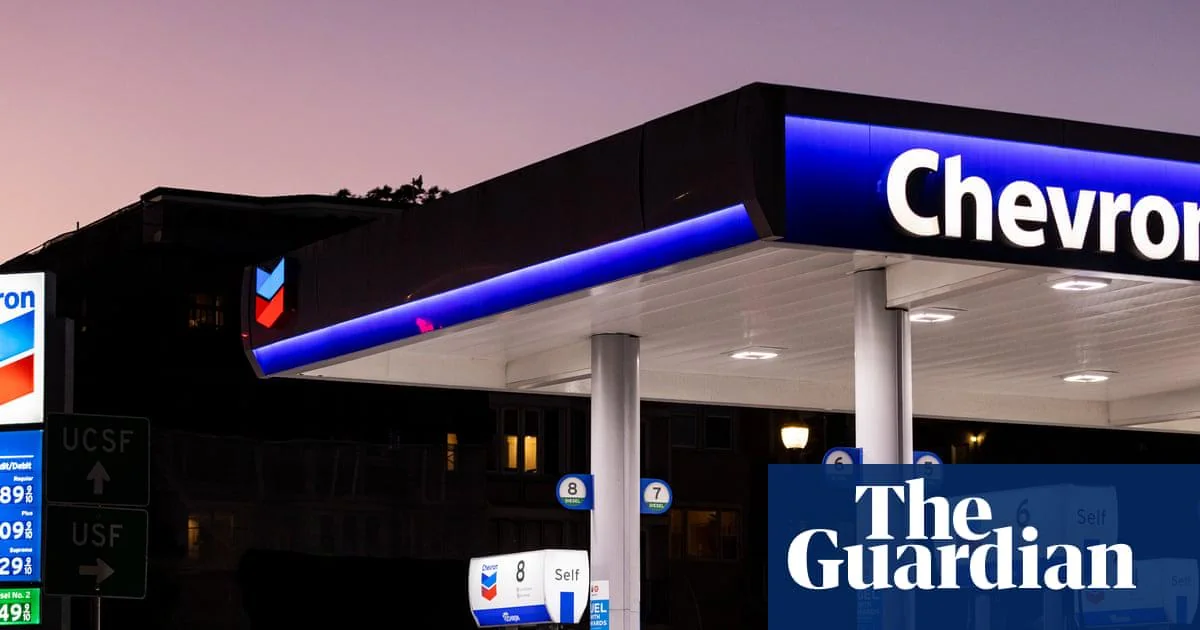
Global tensions have escalated once again as oil prices surge sharply following Iran’s accusation that the United States violated a fragile ceasefire agreement. The latest developments have placed President Donald Trump at the center of a rapidly evolving geopolitical crisis, with significant implications for global energy markets, security, and diplomacy.
Rising Tensions Between the US and Iran
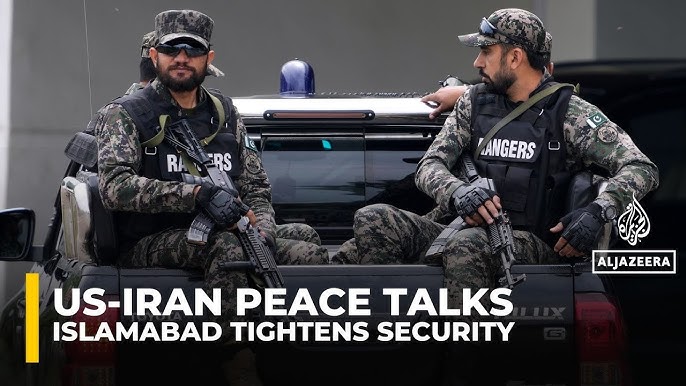
The conflict between the United States and Iran has intensified in recent days, with both sides exchanging accusations over ceasefire violations. Iranian officials claim that US military actions in key waterways, particularly near the Strait of Hormuz, have breached the agreed truce. This strategic route is one of the world’s most critical oil transit points, making any disruption a major concern for global markets.
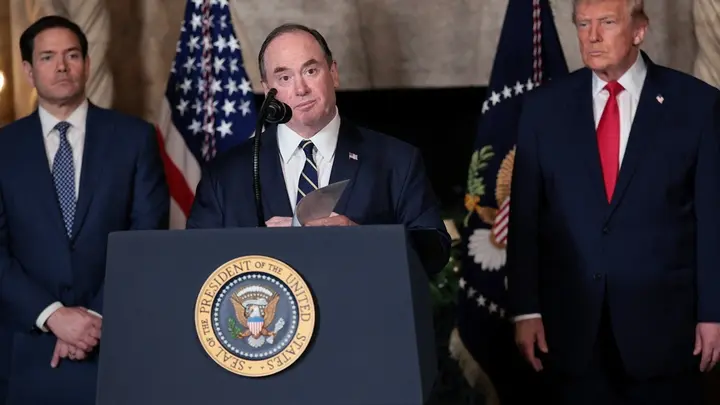
On the other hand, the US administration has defended its actions, stating that operations were necessary to enforce maritime security and prevent unauthorized shipments. President Trump has maintained a firm stance, warning that the US is prepared to escalate militarily if Iran refuses to comply with international demands. ()
Oil Prices Surge Amid Uncertainty
As tensions rise, global oil markets have reacted immediately. Prices of crude oil have surged significantly, reflecting fears of supply disruptions. Reports indicate that Brent crude has climbed above $100 per barrel, while US benchmarks have also seen steep increases. ()
The surge is largely driven by instability in the Strait of Hormuz, through which a substantial portion of the world’s oil supply passes. Ongoing military activity, including ship seizures and naval blockades, has heightened concerns that the route could be partially or fully closed. ()
Analysts warn that if the situation continues to deteriorate, oil prices could rise even further, potentially triggering inflation and economic challenges worldwide.
Strait of Hormuz Crisis Deepens
The Strait of Hormuz has become the focal point of the conflict. Both the US and Iran are asserting control over the region, leading to overlapping blockades and increased military presence. Iranian forces have reportedly seized vessels, while US naval forces have intercepted tankers accused of violating sanctions. ()
Iranian leaders have gone as far as to declare that reopening the strait is “impossible” under current conditions, citing ongoing ceasefire breaches. () This statement has further intensified fears of prolonged disruption to global oil supplies.
Trump’s Strategy and Statements
President Trump has taken an aggressive approach, emphasizing strength and deterrence. He has suggested that Iran used the ceasefire period to rebuild its military capabilities and warned that the US could “finish” the conflict if necessary. ()
At the same time, Trump has attempted to balance military pressure with diplomatic efforts. He has supported temporary ceasefire extensions and engaged in negotiations through intermediaries, although progress remains uncertain.
The administration also claims that US naval operations have been effective in limiting Iran’s oil exports, further increasing pressure on Tehran.
Global Economic Impact
The ongoing crisis is not just a regional issue—it has global consequences. Rising oil prices are already affecting fuel costs, transportation, and supply chains. Economists warn that prolonged instability could slow global economic growth and increase inflation.
Energy markets remain highly volatile, with prices fluctuating based on every new development. Investors are closely monitoring the situation, as even minor escalations can trigger major market reactions.
Political and International Reactions
International reactions have been mixed. Some US allies have expressed concern over the escalating tensions and called for restraint, while others have supported Washington’s stance against Iran.
Meanwhile, diplomatic efforts to resolve the crisis appear stalled. Talks have struggled to gain traction, and both sides seem unwilling to make significant concessions. This deadlock increases the risk of further confrontation.
Conclusion
The latest developments highlight the fragile nature of the US-Iran ceasefire and the far-reaching consequences of its breakdown. With oil prices surging and military tensions rising, the situation remains highly volatile.
President Trump’s approach—combining military readiness with limited diplomatic outreach—will likely shape the next phase of the crisis. For now, the world watches closely as events unfold, knowing that the outcome could have lasting impacts on global stability and economic health.










Leave a Reply