
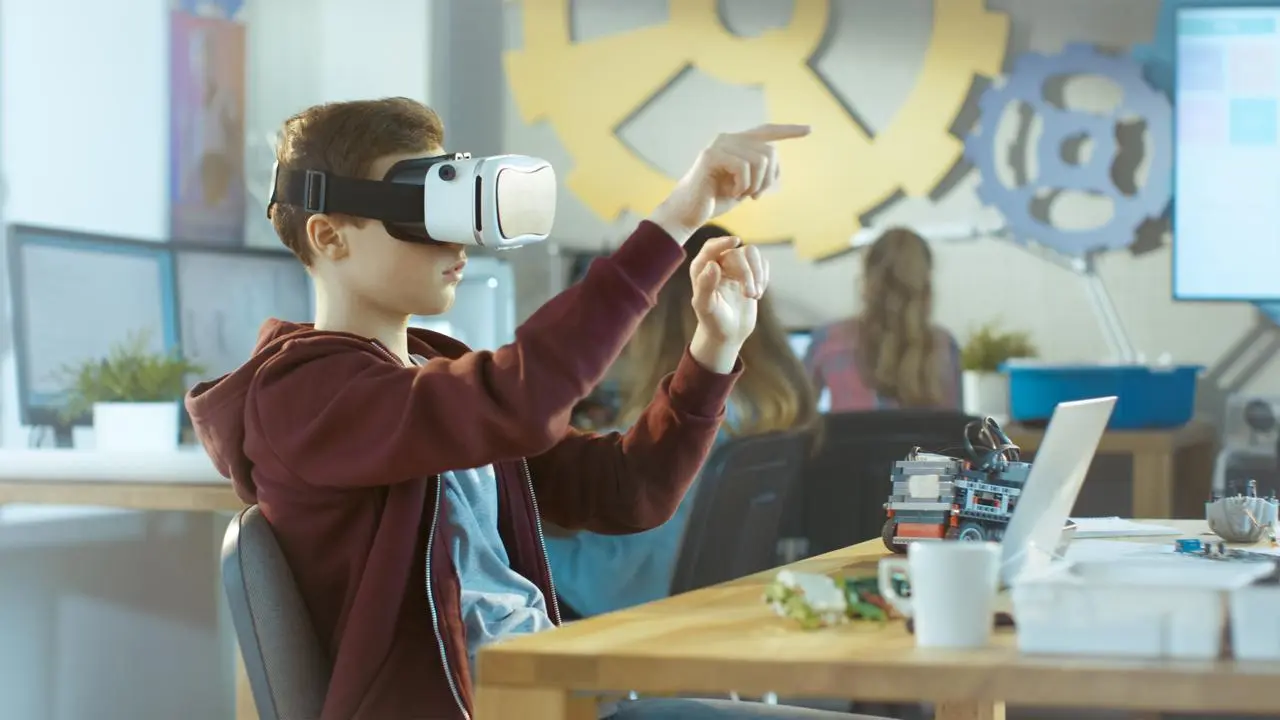
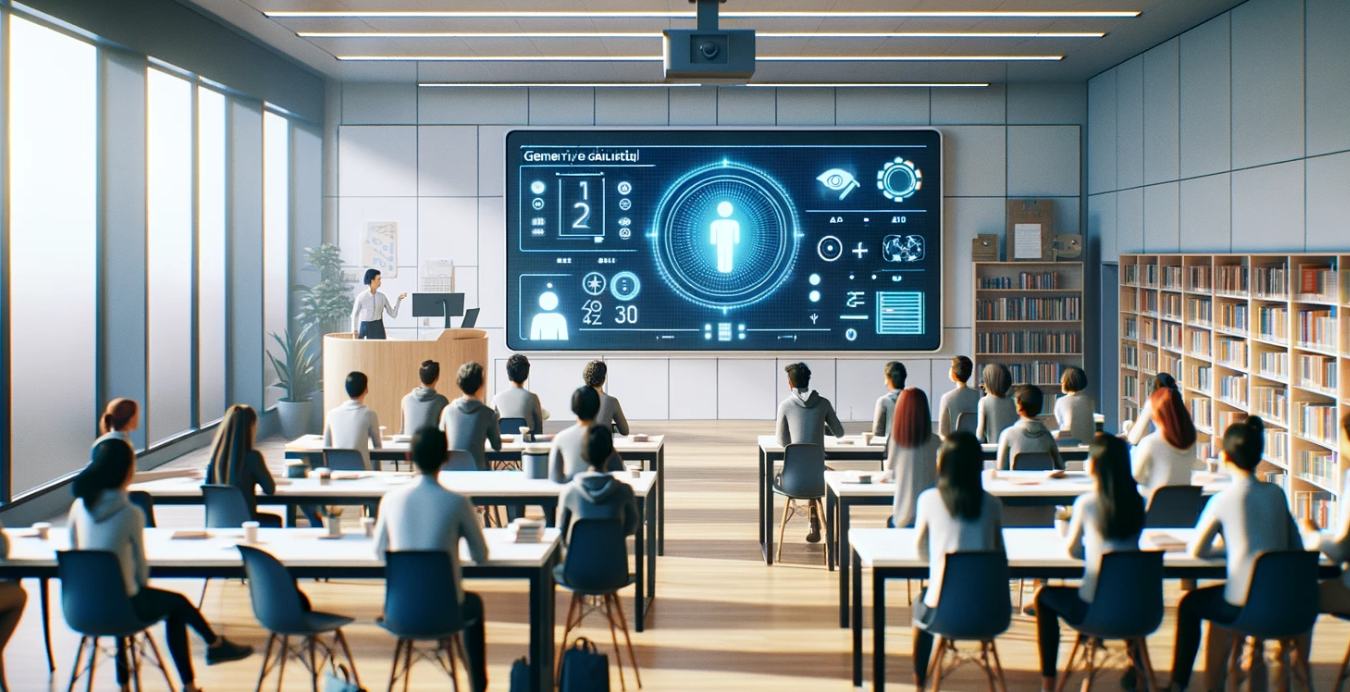
Education is constantly evolving. Just like books were replaced by computers and projectors, now a new technology is entering classrooms: Virtual Reality (VR). Virtual Reality allows students to experience the world in a completely different way. Instead of just reading about the solar system, students can travel through planets using VR headsets. Instead of looking at pictures of ancient Egypt, students can walk inside the pyramids.
VR has the power to transform the classroom into an interactive world of exploration.
How VR Works in Education
Virtual Reality uses a special headset that covers the eyes and creates a 3D illusion. The student feels like they are inside the scene. VR also allows movement, sound, and interaction, making learning more realistic and memorable.
Benefits of VR in Classrooms
1. Better Understanding
When students see things instead of only reading about them, they understand faster.
2. Increased Engagement
VR makes learning exciting. Students stay focused and interested.
3. Safe Experiments
Dangerous science experiments can be simulated safely in VR.
4. Field Trips Without Travel
Students can visit:
- Space stations
- Oceans
- Historical monuments
- Laboratories
without leaving the classroom.
Subjects VR Can Improve
| Subject | How VR Helps |
| Science | View molecules, planets, ecosystems in 3D |
| History | Experience ancient civilizations |
| Geography | Explore countries and landscapes |
| Medicine | Practice surgeries safely |
| Engineering | Visualize structures and machines |
Challenges of VR in Education
- VR equipment can be expensive
- Teachers need training to use it
- Some students may feel motion sickness
However, technology is improving, and costs are slowly decreasing.
The Future of VR in Classrooms
The future will include:
- VR classrooms where students attend lessons from anywhere
- Virtual science labs for experiments
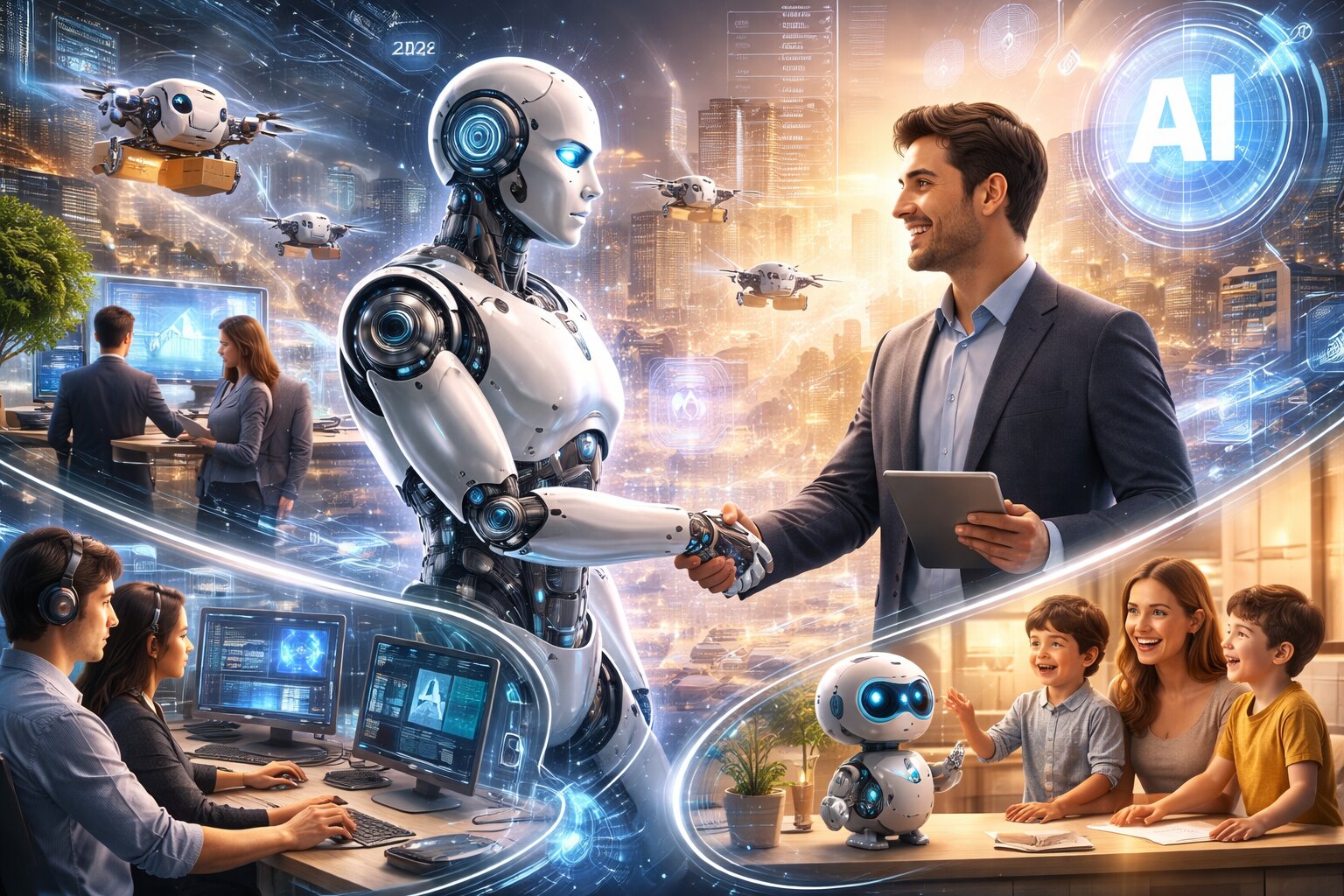
- AI-guided virtual tutors
Education will become more interactive, global, and practical.
Conclusion
VR is not just a fun gadget. It is a powerful educational tool. It brings lessons to life and allows students to learn through experience. The future of learning will be more immersive, visual, and exciting—with Virtual Reality leading the way.







Leave a Reply