
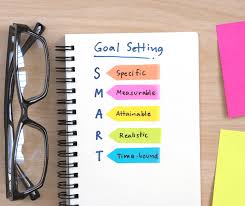
Setting goals sounds simple, right? You just decide what you want and go after it. But anyone who’s tried knows it’s not that easy. Goals can feel overwhelming, impossible, or like they disappear the moment life gets busy. The trick isn’t just setting goals—it’s setting achievable goals and actually sticking to them.
First, start with clarity. What do you really want? Not what someone else says you should want, or what looks good on paper, but what truly matters to you. If your goal isn’t meaningful, motivation fades fast. Take a moment and really think about it. Sometimes writing it down helps, even if it’s messy or unfinished. The act of putting it on paper makes it real.
Once you know what you want, break it down. Big goals are scary. Running a marathon, writing a book, saving thousands of dollars—it’s easy to get intimidated. But every big achievement is just a collection of small steps. Break the goal into manageable chunks. For example, instead of “write a book,” start with “write 300 words a day.” Little wins add up, and they keep you motivated.
Be realistic. Ambitious goals are great, but impossible ones lead to frustration. Look at your schedule, resources, energy levels, and other commitments. If you try to overhaul your life overnight, chances are you’ll burn out. Start with something achievable. A slightly smaller goal that you hit consistently is far more valuable than a massive goal you fail at repeatedly.
Next, put your goals somewhere visible. Don’t just keep them in your head. Sticky notes, phone reminders, a whiteboard—anything that keeps your goal in sight. Seeing it daily reinforces your commitment and keeps you accountable. Plus, it’s satisfying to cross off tasks or check progress as you go.
Create a plan of action. A goal without a plan is just a wish. Outline steps, deadlines, and milestones. Don’t overcomplicate it—sometimes simple bullet points are enough. The key is to have a roadmap so you know what to do each day instead of waiting for motivation to magically appear.
Track your progress. Humans love seeing progress—it triggers a sense of achievement and keeps us going. Track not only the big milestones but the small wins too. Celebrate them. Even tiny progress counts. It’s easy to forget how far you’ve come when you only focus on what’s left to do.
Expect setbacks. Life happens. Plans change. You’ll miss days, mess up, or feel unmotivated. That’s normal. The difference between people who succeed and those who don’t isn’t perfection—it’s persistence. When you stumble, don’t give up. Adjust, learn, and keep going. Resilience is part of achieving goals.
Find accountability. Share your goal with someone you trust, or join a community of people with similar ambitions. Accountability adds an extra push to keep going when your own motivation wanes. Knowing someone else is cheering for you—or watching—can make a big difference.
Make your goals specific. “Get healthier” is vague. “Walk 10,000 steps five days a week” is specific and actionable. The clearer your goal, the easier it is to create a plan and measure progress. Specificity turns dreams into reality.
Focus on habits rather than outcomes. Goals are achieved through daily actions, not sudden bursts of effort. Build routines that align with your goal. Want to write a book? Write at the same time every day. Want to get fit? Exercise consistently. Habits make goals stick.
Be flexible. Life is unpredictable. Your goal may need to evolve. That’s okay. Adjust timelines, methods, or even the goal itself if needed. Flexibility doesn’t mean failure—it means you’re adapting intelligently.
Visualize success. Spend a few minutes imagining what achieving your goal feels like. How does it change your life? What emotions come with success? Visualization reinforces your motivation and helps your brain internalize what you’re working toward.
Remove distractions. If your environment makes it hard to focus, change it. Turn off notifications, tidy your space, or dedicate a specific time for working on your goal. A supportive environment makes sticking to goals easier than relying on willpower alone.
Reward yourself. Don’t wait until the goal is fully achieved to celebrate. Give yourself small rewards along the way. It could be a treat, a small purchase, or simply acknowledging your effort. Rewarding progress reinforces positive behavior.
Finally, reflect regularly. Take time to evaluate what’s working and what isn’t. Adjust your strategies if needed. Reflection helps you learn from mistakes, refine your approach, and stay connected to the bigger picture.
Setting achievable goals isn’t magic. It’s a process of clarity, planning, action, and persistence. The key is to start small, stay consistent, and be kind to yourself. Every step forward, no matter how tiny, is progress. Remember, goals are not just about the end result—they’re about the journey and the growth that happens along the way.
Final Thought
Achieving goals isn’t about perfection or speed—it’s about persistence, focus, and smart planning. When you break down your goals, stay flexible, and celebrate small wins, even the biggest dreams become achievable. Stick with it, trust the process, and remember that every step counts. Over time, your small, consistent efforts will lead to remarkable results.












Leave a Reply