

Let’s be real. We all want to learn new skills quickly, right? Whether it’s picking up a new language, learning guitar, coding, or cooking — rushing through the process isn’t the goal, but improving the speed and efficiency? Definitely. But truthfully, most people don’t know where to start or how to accelerate their learning. Well, here’s the thing — there are proven methods, tricks, and mindset shifts that can make you learn faster, smarter, not harder.
So, how do you do it? Well, let’s break it down.
1. Set clear, specific goals.
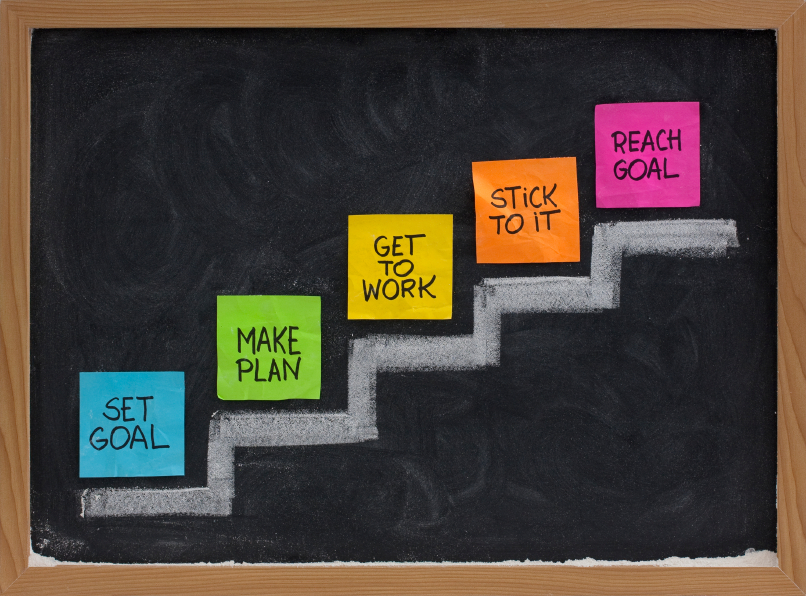
First thing’s first. Be clear about what you wanna achieve. No vague “I wanna get better at guitar.” Instead, say “I wanna learn to play three songs and strum basic chords within a month.” Specific goals give you direction. They also help you focus on what really matters, instead of wasting time trying to learn everything at once.
Also, break big goals into smaller, manageable chunks. Like, mastering a skill is a mountain. Climbing? Take it step by step. Celebrate tiny wins along the way. That keeps you motivated and moving faster.
2. Find the right learning resources.
Not all lessons are created equal. Skipping ahead or choosing the wrong material slows you down. Do some research. Look for expert tutorials, trusted courses, or experienced mentors. Sometimes, a good book or a well-made YouTube channel can save you tons of time compared to getting lost in endless trial-and-error.
And don’t just consume passively. Actively engage — take notes, pause videos, do practice exercises. Immersion helps accelerate understanding.
3. Practice deliberately.
This is big. Simply doing the skill repeatedly? Not enough. You need deliberate practice. What’s that? It’s focused, intentional effort on your weak spots. For example, instead of just playing guitar aimlessly, identify tricky chords or riffs and drill those until you improve.
Tips? Set aside focused blocks of time. Pause frequently, analyze your mistakes, and correct them immediately. It’s about quality over quantity. Fast learners don’t just mindlessly go through the motions; they hone in on what needs improvement.
4. Use the Feynman Technique.
Ever heard of explaining things to someone else? That’s a secret weapon. If you can teach a concept or skill in simple terms, it means you truly understand it. When you hit a wall — trying to learn a complex concept — try to explain it to a friend (or even to yourself). If you stumble, that’s a cue to review and clarify.
This technique not only deepens your understanding but also speeds up the learning curve because teaching forces you to organize your knowledge clearly.
5. Space out your learning sessions.
Cramming isn’t just ineffective, it’s counterproductive. Instead, space your practice sessions over days or weeks—this is called spaced repetition. Your brain needs time to consolidate info and skills.
For example, instead of doing a 4-hour marathon study session, do 30-minute sessions over a couple of weeks. The forgetting curve flattens, and retention skyrockets. Plus, taking regular breaks keeps you fresh and prevents burnout.
6. Embrace failure and learn from mistakes.
Nobody becomes an expert overnight. You’ll mess up. You’ll forget steps. That’s part of the process. Instead of getting frustrated, use mistakes as virtual tutors. Analyze why you messed up, adjust your approach, and try again. It’s faster to learn from errors than to avoid them altogether.
The mindset of “failure is feedback” speeds up progress. Remember, every mistake gets you closer to mastery.
7. Stay consistent, not perfect.
Perfectionism kills speed. Better to do a little every day than to cram sporadically. Consistency beats intensity. Even if you only practice 15-30 minutes daily, that adds up — faster than long, infrequent sessions.
Also, make learning a habit. Set routines — morning practice, evening review. Over time, it turns into second nature, and you’ll learn faster because your brain is always in “learning mode.”
8. Use visualization and mental rehearsal.
Ever imagined yourself playing a song perfectly or coding a website? That works. Mental rehearsal activates similar brain regions as actual practice. It’s like priming your neural circuits before doing the real thing.
Spend a few minutes visualizing success, feeling the movements or steps. This primes your brain to perform better and faster during actual practice.












Leave a Reply