Category: Study Skills

  • British Curriculum Schools Dubai: Excellence in Education

    British Curriculum Schools Dubai: Excellence in Education

    Choosing a school in Dubai is not simply a matter of finding a familiar curriculum. Families also need to consider teaching quality, pastoral care, fees, location, inclusion and the daily experience their child will have. My view is that schools following the British curriculum in Dubai are not always strongest when they are heavily marketed. The best ones turn a clear academic framework into confident, curious learning.

    What Does the British Curriculum Include?

    Schools following the English National Curriculum usually organise learning through the Early Years Foundation Stage and Key Stages 1 to 4. Subjects become more specialised as pupils progress, with many students later working towards GCSE or International GCSE qualifications before moving into sixth-form pathways such as A levels. The official English framework sets out programmes of study and attainment expectations, while individual schools decide how to teach them.

    A Dubai British School may therefore share the same broad framework as another UK-curriculum school while offering a different subject mix, timetable, teaching style or sixth-form route. Parents should compare what is actually delivered rather than assuming every British school feels the same.

    Why Families Choose British Education

    A Clear Academic Progression

    One advantage is the recognisable progression from early learning through secondary examinations. This can help internationally mobile families understand where a child fits academically and what comes next. Cambridge IGCSE, for example, offers schools a flexible selection of subjects, allowing programmes to combine core learning with languages, humanities, sciences and creative options.

    Skills Beyond Memorisation

    Good British curriculum schools Dubai parents visit should show how pupils apply knowledge, explain ideas and solve unfamiliar problems. Ask to see classroom work rather than relying on examination results alone. Strong teaching should build literacy, numeracy, independence and subject understanding without reducing school life to test practice.

    Reading Why the scholars succeed may help parents recognise the less visible habits behind achievement: consistent feedback, thoughtful questioning, resilience and the confidence to improve after mistakes.

    How to Compare Schools Properly

    Start with KHDA’s official directory. It allows families to filter schools by curriculum and review grade ranges, locations, inspection information and fee documents. Dubai has numerous schools listed under the UK thirteen-year curriculum, but their size, fees and provision vary considerably.

    When comparing British curriculum schools Dubai, focus on a short list of practical questions:

    • Does the school offer the subjects and qualifications your child may need later?
    • How does it support pupils who are behind or ready for greater challenge?
    • What are the total tuition and optional costs?
    • How long will the daily commute take?
    • How are wellbeing, behaviour and communication handled?

    Make the School Visit Count

    During a tour, watch how adults speak to pupils and how students respond in class. Ask what happens when a child struggles, how progress is reported and whether support involves extra charges. Facilities matter, but ordinary lessons reveal more about the quality of education. Speak with current parents when possible, and ask about communication, homework expectations, teacher continuity and how concerns are resolved after enrolment rather than only during admissions.

    Choosing With the Future in Mind

    The best British curriculum schools Dubai families consider should fit both the child and the family routine. A prestigious name cannot compensate for an exhausting commute, unsuitable pressure or weak support.

    Families reviewing Admission open schools in Dubai should check seat availability, assessment requirements, fee terms and future subject pathways before applying. Choose the school that works on a normal weekday, not only the one that creates the strongest impression during an admissions tour and supports steady progress beyond first impressions.


  • Golden Visa for Outstanding Students in the UAE: Eligibility Explained

    Golden Visa for Outstanding Students in the UAE: Eligibility Explained

    Somewhere in Dubai tonight, a parent is typing golden visa for students UAE into a search bar while their sixteen year old sleeps. The pitch is genuinely remarkable: long term residency, no employer, no property, no sponsor. Earned with a report card.

    The rules are public and specific. They are also widely misreported, and one detail catches British curriculum families almost every time. Here is the honest version, with the parts nobody puts in a headline.

    What the Rules Actually Say

    The Golden Residency runs five to ten years, renews automatically and needs no sponsor. Golden visa for students UAE eligibility then splits three ways, and the route you fall into decides everything.

    One caveat before the numbers. ICP describes the residency as allowing holders to issue permits for spouse and children; what that means in practice for an eighteen year old holder is worth confirming directly, because it is the detail reported most loosely everywhere else. Everything below reflects the published criteria as they stand in mid 2026.

    Finishing School in the UAE

    The threshold is a cumulative final score of at least 95 per cent from a UAE public or private school. The Ministry of Education must attest the certificate, and a recommendation letter from the Ministry is required. Approval typically brings a residence permit of up to five years.

    Ninety five per cent. Not “top of the class”, not “excellent”. A number, and it does not negotiate. Parents comparing the Top 10 Schools in Dubai rarely think of admissions as a visa decision, but a curriculum choice made at age eleven quietly shapes this at eighteen.

    Graduating From a UAE University

    Here the university’s classification does the work. The Ministry of Education maintains an A and B list. Class A graduates need a GPA of at least 3.5; Class B graduates need at least 3.8. Bachelor’s, Master’s and PhD all count, the degree must be attested, and graduation must be within the last two years. Approval can bring up to ten years.

    Graduating From a University Abroad

    Bachelor’s degree only, from an institution in the global top 100 under a ranking the Ministry of Education recognises. Minimum GPA 3.5, graduation within two years, and an equivalency certificate from the Ministry confirming the degree is recognised here.

    The Two Year Window Is the Real Filter

    Miss it and the academic route closes regardless of the grade. A student who graduated three years ago with a 3.9 is not eligible under this category, full stop. In my experience golden visa for students UAE rejections are rarely a grades problem. They are a calendar problem, discovered late.

    The British Curriculum Detail Nobody Explains

    Now the part that matters most to families reading this in Dubai.

    A student sitting A Levels or the IB does not produce a “95 per cent”. They produce grades. So the threshold has to be converted through a Ministry of Education equivalency, and attestation through the local authority, KHDA in Dubai or ADEK in Abu Dhabi, may be needed before the Ministry issues its recommendation.

    That conversion is the whole ball game, and it is where the golden visa for students UAE process stops being about achievement and starts being about paperwork. If your child is at a Dubai British School, the useful question for the registrar is not whether the school produces strong grades. It is whether anyone there has actually walked a family through the equivalency, and what the outcome was.

    Where the Official Sources Disagree

    I will not pretend this is tidier than it is.

    The ICP’s own Golden Residency page lists university students as needing a GPA of at least 3.8 at accredited universities. Abu Dhabi’s official channels set out the tiered version: 3.5 for Class A, 3.8 for Class B. Both are government sources. They do not say quite the same thing.

    My read is that the tiered structure is the operative one, but I am not going to tell you to bet a residency application on my read. Treat every number in every article, including this one, as a prompt to ring ICP or GDRFA and confirm. Golden visa for students UAE guidance ages badly, and the authority deciding your file is the only one whose answer counts.

    My Honest Advice to Parents

    Do not raise a child for a visa. I have watched families reverse engineer a teenager’s entire adolescence around a threshold, and it is a miserable way to spend Year 12 for a permit the child may not want at twenty two.

    Treat it instead as what it is: a genuine reward if it lands, and a cheerful bonus if it does not. The golden visa for students UAE route exists because this country decided to compete for talent rather than only capital, which is a good instinct and worth understanding. It is not a reason to turn a sixteen year old into an applicant.

    What actually moves the needle is the ordinary stuff: a school that teaches well, knows the equivalency process, and tells you the truth about your child’s realistic range. If you are weighing schools with the long game in mind, the list of Admission open schools in Dubai shows where places remain.

    Frequently Asked Questions

    Can students get a UAE golden visa?

    Yes, and on merit rather than money, which makes it unusual globally. Three routes exist: high school leavers from UAE schools scoring at least 95 per cent, graduates of Ministry accredited UAE universities meeting the GPA threshold for their institution’s class, and bachelor’s graduates from top 100 world universities with a GPA of at least 3.5. The golden visa for students UAE scheme is not tied to a job, a landlord or a sponsor.

    What grades are required?

    Golden visa for students UAE thresholds depend entirely on the route. At least 95 per cent cumulative for UAE high school leavers. For UAE university graduates, at least 3.5 GPA from a Class A institution or 3.8 from a Class B one, with the Ministry of Education’s classification deciding which applies. For graduates abroad, 3.5 at a top 100 university, bachelor’s only. Two cautions: official sources word the university threshold differently, so confirm yours with ICP or GDRFA, and remember the two year graduation window, which sinks more applications than any grade does.

    How do students apply?

    Applications run through the ICP portal, through GDRFA for Dubai, or through the Abu Dhabi Residents Office. In practice: confirm your category, have the certificate or degree attested by the Ministry of Education and obtain an equivalency where the qualification is foreign, secure the recommendation letter, then submit the nomination request online and complete medical fitness, biometrics and Emirates ID inside the country. Start the attestation early, because golden visa for students UAE applications stall at that step far more often than at the assessment. A school that has walked previous families through it, the kind of institutional memory Why the scholars describes, will save you weeks that no blog can.

  • Top 10 Free Websites for Learning New Skills

    Top 10 Free Websites for Learning New Skills

    The internet kinda turned into the biggest classroom ever—just without the chalkboards and uncomfortable desks. Every day there are new platforms promising to teach you coding… or pottery… or how to bake sourdough bread that doesn’t look like a brick. Honestly, it’s overwhelming.

    So here’s a more down-to-earth guide to 10 great free websites that help you learn useful skills—without draining your wallet. These aren’t ranked exactly in order; different people need different things. Try what interests you and wander around a bit. Learning should feel like exploring, not a chore.

    1. Coursera (Free Courses Option)

    Coursera partners with big universities—Yale, Stanford, Google—to provide courses that feel legit. You can audit many of them for free. Sure, certificates cost money, but if you just want to learn, you’re good.

    They’ve got everything from psychology to data science. Some lessons can be kinda long… but worth it. You might feel like you’re back in school, in a good way.

    2. Khan Academy

    If you ever got lost in math class (same), this site feels like a friendly tutor who doesn’t judge. It started as a math platform, but now there’s science, finance, art history, SAT prep, etc. Short videos. Clear explanations.

    I still don’t know how they stay free. Magic maybe.

    3. YouTube Learning Channels

    Not exactly one website, but it’s too big to ignore. YouTube is chaotic—cat videos mixed with lectures from MIT. But there are great educational channels:

    • CrashCourse
    • TED-Ed
    • Computerphile
    • Kurzgesagt

    You can learn guitar riffs, repair your kitchen sink, understand quantum physics (maybe)… all for free. The trick is curating your feed so you don’t drift into three hours of random memes.

    4. Duolingo

    It’s kind of a language-learning game. The mascot is a little too enthusiastic sometimes—like, calm down, owl—but it works. Bite-sized lessons, lots of repetition, fun interface.

    You probably won’t become fluent just with Duolingo, but it’s a great starter and keeps you practicing daily. Plus, languages are a superpower.

    5. MIT OpenCourseWare (OCW)

    MIT just put tons of their course materials online. For free. No sign-up.

    Honestly, some of it is intense—calculus, physics, engineering. But even the intro classes are great if you’re curious. It’s like peeking into a world-class college without the stress of exams or student loans.

    6. edX (Audit Free)

    Similar to Coursera, edX offers courses from Harvard, Berkeley, and others. You can watch lectures, read materials, and complete assignments for free (certificates cost money but optional).

    The topics are broad: business, humanities, medicine, computer science. The platform feels clean and professional. Good for serious learners.

    7. Codeacademy (Free Basics)

    If you’ve ever wanted to try coding… but had no clue where to start, this site holds your hand nicely. The lessons are interactive—type code, see results instantly.

    HTML, CSS, JavaScript, Python, SQL. Some advanced stuff is paid, but the basics are enough to get rolling. And once you understand programming a little, doors start opening everywhere.

    8. Skillshare (Free Trials + Free Classes)

    Skillshare is famous for creative stuff—design, photography, writing, animation, business, lifestyle. It’s more casual; the teachers feel like real people, not professors reading slides.

    Not everything is free forever, but they often have free courses or long trials. It’s great if you’re exploring hobbies or side hustles.

    9. FutureLearn

    Based in the UK, FutureLearn works with tons of universities. You can access courses free while they’re running (and sometimes a little afterward). Certificates cost extra but optional.

    Their format feels structured, sometimes gentler than edX. They have unusual fields too—history, culture, psychology.

    10. Alison

    Alison is not super fancy looking, but there’s a lot there. Business skills, soft skills, IT, project management. Good for resume-type learning without paying.

    Some courses feel more practical than academic. Like, “How to use Excel” instead of “The theory of spreadsheets.” Helpful for job seekers.

    Why Free Platforms Matter

    These websites are more than random online classes. They’re changing what “education” means. You don’t need to go to college for everything. You don’t need to be rich. You just need curiosity—and maybe some patience because learning isn’t magic.

    Also, you get to learn at your own pace. Maybe at midnight. In pajamas. With snacks. Traditional schools don’t always allow that.

    How to Choose the Right One

    Some people learn best with videos; some prefer reading. Some want a community; others like to learn solo quietly. So think about:

    • Your learning style
    • How much time you really have
    • Whether you want a certificate
    • Your goals (career? hobby? curiosity?)

    It’s okay to try three or four platforms before one feels right. That’s normal.

    Tips for Actually Learning (Not Just Collecting Tabs)

    • Start small
    • Try one skill at a time
    • Take notes—yes, real notes
    • Practice what you learn
    • Don’t feel bad if you take breaks

    Learning is messy; no straight lines. Sometimes you’ll forget things and have to start again. That’s fine.

    Final Thoughts

    The best part about these free learning websites is that they put power back into the hands of everyday people. You don’t need permission from a university. You don’t need thousands of dollars. Just a laptop or even a phone.

    Whether you’re learning Spanish to travel, coding to boost your career, or watercolor painting just because it looks fun… the world is now your classroom. And surprisingly, a lot of the best teachers are free.

    The only real downside? You might run out of excuses for not trying.

  • How to Train Your Brain for Better Memory

    How to Train Your Brain for Better Memory

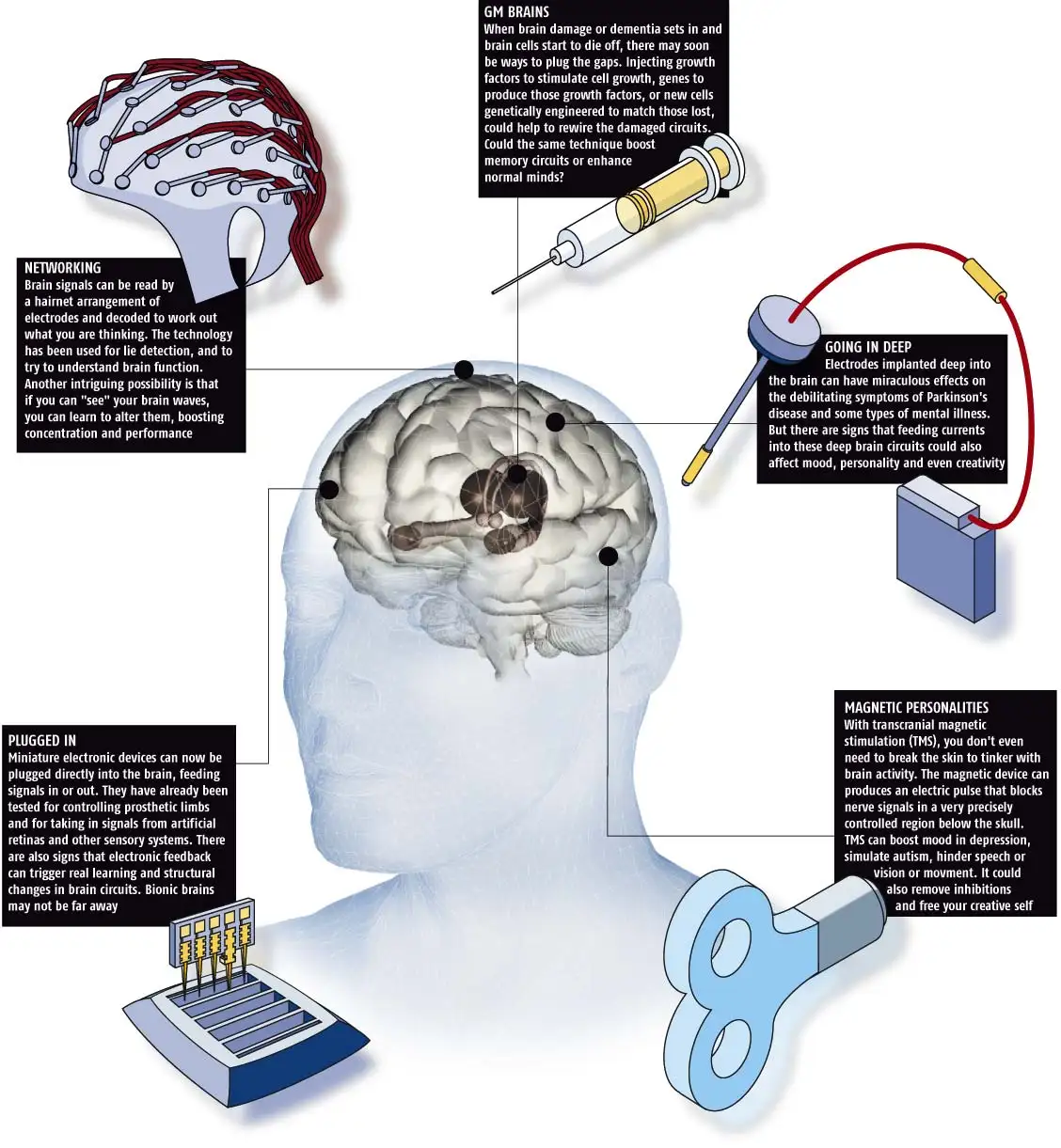
    Memory can feel slippery sometimes. You learn a name, and it’s gone five minutes later. Or you walk into the kitchen and suddenly—wait, why am I here? It’s frustrating, a little embarrassing. But the truth is, memory isn’t fixed. The brain isn’t a box with limited storage. It’s alive, constantly reorganizing and adapting. Which means you can train it. Strengthen it. Even rebuild it in ways most people don’t realize.

    Let’s dive into the science and the everyday strategies that actually work.

    Your Brain Is Always Changing

    First—something important. The brain is plastic. Not literally (yeah, obvious), but in a biological sense. It can rewire itself, grow new neural pathways, prune old ones. Scientists call this neuroplasticity. When you practice a skill or absorb new information, neurons fire together and form stronger bonds. The more you repeat, the easier that memory becomes to retrieve. “Neurons that fire together wire together”—simple phrase, huge meaning.

    And this isn’t just for kids. Adults can form new neural pathways, too. Older adults as well. The lifelong ability to learn and remember is built right into us.

    Why Memory Fades

    Before building memory, it’s helpful to know why it slips away. Some forgetting is normal. The brain prunes unused data to save energy—kind of like cleaning a cluttered desktop. But certain habits make recall harder:

    • chronic stress
    • lack of sleep
    • poor nutrition
    • multitasking
    • low emotional connection

    These don’t “kill” memory, but they definitely make it harder to store and retrieve.

    Step 1: Improve Attention First

    Memory begins with attention. You can’t remember what you never really noticed.

    If you’re listening to someone talk while scrolling your phone, you’ll process almost nothing deeply. Modern life trains us to multitask, but real learning is single-tasked. Focused.

    Try this:
    For one conversation a day, listen fully. No phone. No thinking ahead to your reply. Just be there. You’ll be surprised how much more sticks.

    Sometimes simply telling yourself, “Pay attention,” is enough to prime your brain to encode information.

    Step 2: Use Spaced Repetition

    Cramming feels like progress—until everything slips away a day later. The brain needs time to consolidate memory. This is why spaced repetition works.

    It’s the idea that you should revisit information after increasing intervals:
    Day 1 → Day 2 → Day 4 → Day 7 → Day 14 → etc.

    Each review strengthens the memory trace. Think of it like stamping deeper grooves into a record so the music plays clearer each time.

    Flashcards help. Re-writing information helps. Teaching someone else works even better.

    Step 3: Turn Information Into Emotion

    Emotion is the brain’s “save” button. Seriously. When something feels meaningful—funny, scary, exciting—the brain flags it as important. That’s why we remember breakups and vacations but forget the 30 random emails we read.

    So to remember facts, make them emotional. Silly even. Associate names with images. Turn details into stories. The weirder, the better.

    Need to memorize groceries? Picture a carrot riding a skateboard. Eggs doing ballet. Sounds dumb. It works.

    Step 4: Use Multiple Senses

    The more senses involved, the more memory pathways you create. Reading is good. Saying it out loud? Better. Drawing it? Even better. Writing by hand lights up many more brain regions than typing because it forces slower processing.

    So if you really need to remember something, do it with your eyes, ears, and hands.

    Some people use doodles. Others record voice notes and play them back. There’s no “right” way—just more pathways.

    Step 5: Exercise Your Body to Exercise Your Brain

    Movement increases blood flow to the brain, delivering oxygen and nutrients it needs to build new connections. Even a 20-minute walk can boost recall. Aerobic exercise is especially powerful because it increases BDNF (Brain-Derived Neurotrophic Factor), a molecule that supports neuron growth.

    Think of BDNF like fertilizer for your brain.

    You don’t need gym memberships or fancy apps. Just walk. Maybe dance. Jump rope. Move however you enjoy.

    Step 6: Sleep—The Silent Memory Builder

    Sleep is where memories get stitched together. Short-term bits are transferred into long-term storage. Without enough sleep, you can study or repeat something all day and still not retain it.

    Deep sleep solidifies facts and procedures; dreaming (REM) helps integrate creative connections.

    So yes—“sleeping on it” is actually a neuroscience trick.

    Aim for 7–9 hours. Keep your sleeping schedule consistent. Your brain loves routine.

    Step 7: Reduce Stress, a Little at a Time

    Stress chemicals—especially cortisol—disrupt memory formation. That’s why in high-pressure moments, your brain blanks out. Chronic stress shrinks the hippocampus, the memory center.

    You don’t have to become a monk. Just pick small changes:

    • breathing exercises
    • short walks
    • journaling
    • music
    • talking with a friend

    Even lowering stress 10–15% helps memory bounce back.

    Step 8: Feed Your Brain

    Certain nutrients support memory, including omega-3s, choline, and antioxidants. Foods like:

    • salmon
    • eggs
    • blueberries
    • walnuts
    • green tea
    • leafy greens

    Water matters too. Even mild dehydration affects focus and recall.

    Not magic—just fuel.

    Step 9: Challenge Your Brain

    Memories grow when we use them. So do new skills. The brain loves novelty and hates boredom.

    Pick something that challenges you. Learning a language, an instrument, chess, gardening—whatever. Difficult tasks build more pathways.

    Even simple things like taking a different route to work, switching hands while brushing your teeth, or talking to new people can spark new connections.

    Small things. Big results.

    Conclusion

    Memory isn’t fixed—or doomed. You can train it like a muscle. Slowly, daily. Focus helps. Sleep helps. Emotion helps. Movement helps. Little, consistent habits reshape the brain over time.

    Think of your brain like a garden. When you nurture it—feed it well, rest it, challenge it, give it novelty—it grows. New pathways. New strengths. More clarity.

    Training your brain isn’t about perfection. It’s repetition, curiosity, and a little patience. And honestly, that’s something anyone can do.

  • How to Learn Any Skill Faster

    How to Learn Any Skill Faster

    Let’s be real. We all want to learn new skills quickly, right? Whether it’s picking up a new language, learning guitar, coding, or cooking — rushing through the process isn’t the goal, but improving the speed and efficiency? Definitely. But truthfully, most people don’t know where to start or how to accelerate their learning. Well, here’s the thing — there are proven methods, tricks, and mindset shifts that can make you learn faster, smarter, not harder.

    So, how do you do it? Well, let’s break it down.

    1. Set clear, specific goals.

    First thing’s first. Be clear about what you wanna achieve. No vague “I wanna get better at guitar.” Instead, say “I wanna learn to play three songs and strum basic chords within a month.” Specific goals give you direction. They also help you focus on what really matters, instead of wasting time trying to learn everything at once.

    Also, break big goals into smaller, manageable chunks. Like, mastering a skill is a mountain. Climbing? Take it step by step. Celebrate tiny wins along the way. That keeps you motivated and moving faster.

    2. Find the right learning resources.

    Not all lessons are created equal. Skipping ahead or choosing the wrong material slows you down. Do some research. Look for expert tutorials, trusted courses, or experienced mentors. Sometimes, a good book or a well-made YouTube channel can save you tons of time compared to getting lost in endless trial-and-error.

    And don’t just consume passively. Actively engage — take notes, pause videos, do practice exercises. Immersion helps accelerate understanding.

    3. Practice deliberately.

    This is big. Simply doing the skill repeatedly? Not enough. You need deliberate practice. What’s that? It’s focused, intentional effort on your weak spots. For example, instead of just playing guitar aimlessly, identify tricky chords or riffs and drill those until you improve.

    Tips? Set aside focused blocks of time. Pause frequently, analyze your mistakes, and correct them immediately. It’s about quality over quantity. Fast learners don’t just mindlessly go through the motions; they hone in on what needs improvement.

    4. Use the Feynman Technique.

    Ever heard of explaining things to someone else? That’s a secret weapon. If you can teach a concept or skill in simple terms, it means you truly understand it. When you hit a wall — trying to learn a complex concept — try to explain it to a friend (or even to yourself). If you stumble, that’s a cue to review and clarify.

    This technique not only deepens your understanding but also speeds up the learning curve because teaching forces you to organize your knowledge clearly.

    5. Space out your learning sessions.

    Cramming isn’t just ineffective, it’s counterproductive. Instead, space your practice sessions over days or weeks—this is called spaced repetition. Your brain needs time to consolidate info and skills.

    For example, instead of doing a 4-hour marathon study session, do 30-minute sessions over a couple of weeks. The forgetting curve flattens, and retention skyrockets. Plus, taking regular breaks keeps you fresh and prevents burnout.

    6. Embrace failure and learn from mistakes.

    Nobody becomes an expert overnight. You’ll mess up. You’ll forget steps. That’s part of the process. Instead of getting frustrated, use mistakes as virtual tutors. Analyze why you messed up, adjust your approach, and try again. It’s faster to learn from errors than to avoid them altogether.

    The mindset of “failure is feedback” speeds up progress. Remember, every mistake gets you closer to mastery.

    7. Stay consistent, not perfect.

    Perfectionism kills speed. Better to do a little every day than to cram sporadically. Consistency beats intensity. Even if you only practice 15-30 minutes daily, that adds up — faster than long, infrequent sessions.

    Also, make learning a habit. Set routines — morning practice, evening review. Over time, it turns into second nature, and you’ll learn faster because your brain is always in “learning mode.”

    8. Use visualization and mental rehearsal.

    Ever imagined yourself playing a song perfectly or coding a website? That works. Mental rehearsal activates similar brain regions as actual practice. It’s like priming your neural circuits before doing the real thing.

    Spend a few minutes visualizing success, feeling the movements or steps. This primes your brain to perform better and faster during actual practice.

  • How to Set and Achieve Study Goals

    How to Set and Achieve Study Goals

    Every student wants to improve academically, score better, learn effectively, and feel confident in their studies. But wanting success and achieving success are two different things. Often, students start studying with motivation but lose consistency, get distracted, or feel overwhelmed. The key to overcoming this is not just working harder — it is setting clear, realistic, and meaningful study goals.

    Goals give direction. They turn confusion into clarity and effort into progress. When students know exactly what they want to achieve and how they will achieve it, studying becomes easier, structured, and purposeful.

    This article explains how students can set effective study goals and follow through with them successfully.

    1. Understanding the Importance of Study Goals

    Study goals are not just academic requirements — they are personal plans that guide how a student learns. Without clear goals:

    • Students waste time
    • They feel lost or unorganized
    • Procrastination increases
    • Anxiety and stress grow

    With clear goals:

    • The mind becomes focused
    • Study routine becomes smoother
    • Progress becomes visible
    • Confidence increases naturally

    A goal is more than a target — it is a roadmap.

    2. Set SMART Goals

    To be effective, a goal must be SMART:

    LetterMeaningExample
    SSpecific“Study 1 math chapter” instead of “Improve in math”
    MMeasurable“30 minutes daily” instead of “study more”
    AAchievableGoals should match current ability and time
    RRealisticDon’t aim to study 5 hours if you can barely study 30 minutes
    TTime-boundSet a deadline or schedule

    Example of a SMART study goal:

    “I will study English grammar for 25 minutes every day at 7:30 PM for the next 30 days.”

    This is clear, realistic, and actionable.

    3. Break Large Goals into Small Daily Tasks

    Big goals can feel intimidating. That’s why many students quit early — not because they cannot achieve the goal, but because the goal seems too big to handle.

    Instead of trying to finish an entire subject in one study session, divide the goal into small steps.

    Example:
    Goal: Improve science score
    Small tasks:

    • Day 1: Review one topic
    • Day 2: Solve 5 questions
    • Day 3: Watch a short explanation video
    • Day 4: Take a quick self-test

    Small daily progress leads to big results over time.

    4. Plan Your Study Time Wisely

    Time management is an essential part of achieving study goals.

    Tips for scheduling study time:

    • Study at the same time daily — routine builds discipline
    • Use mornings for difficult subjects if possible (the mind is fresh)
    • Avoid multitasking — focus on one subject at a time
    • Divide long study time into short sessions (e.g., 25 minutes study + 5 minutes break)

    Consistency is more important than the total hours studied.

    5. Remove Distractions to Stay Focused

    Distraction is one of the biggest obstacles to achieving study goals.

    Common distractions include:

    • Mobile phones
    • Social media
    • Noise
    • Unplanned chatting or browsing

    To stay focused:

    • Keep your phone in another room or on silent during study sessions
    • Use apps that block social media temporarily, like Forest or Focus To-Do
    • Study in a clean and quiet space
    • Inform family or friends of your study schedule to avoid interruptions

    Even 30 minutes of fully focused study is more effective than 2 hours with distractions.

    6. Track Your Progress Regularly

    Tracking progress allows students to see improvement, which builds motivation.
    You can track your study goals using:

    • A notebook
    • A calendar
    • A bullet journal
    • A daily checklist
    • A habit tracking app

    Every time you complete a daily study task — mark it.

    This “achievement marking” creates a sense of accomplishment and encourages consistency.

    7. Reflect and Adjust When Needed

    Goals are not meant to be rigid. Sometimes:

    • A goal needs more time
    • A subject is more difficult than expected
    • Study routine needs to be adjusted

    Self-reflection helps you understand what is working and what is not.

    Every week, ask yourself:

    • What went well?
    • What was difficult?
    • What will I change for next week?

    This prevents frustration and keeps progress steady.

    8. Stay Positive and Patient

    Results do not come overnight.
    Learning requires patience, repetition, and trust in the process.

    Students often give up too soon because they want immediate results.

    Remember:

    • Progress may be slow, but it is still progress.
    • Some days will be easier than others.
    • One bad day does not mean failure.

    Patience is the key that turns effort into success.

    9. Reward Yourself for Achievements

    Rewards reinforce positive behavior.
    They make studying feel satisfying and not burdensome.

    Examples of small rewards:

    • Watch a favorite show after studying
    • Enjoy your favorite snack
    • Take a relaxing walk
    • Listen to music

    Rewards remind your brain that effort is worth it.

    10. Believe in Your Ability to Improve

    Having a growth mindset means understanding that abilities can be developed through effort, learning, and practice. No student is born brilliant. Success comes through persistence.

    Instead of thinking:

    “I’m not good at this.”

    Think:

    “I can get better with practice.”

    Confidence grows from progress, not perfection.

  • How to Stop Procrastinating and Start Studying

    How to Stop Procrastinating and Start Studying

    Procrastination. We’ve all done it. That feeling when you know you should be studying, but somehow scrolling social media, making snacks, or staring blankly at the ceiling seems way more appealing. It’s frustrating, stressful, and often makes you feel guilty—but here’s the thing: procrastination isn’t a sign of laziness. It’s usually a mix of fear, lack of focus, and poor habits. The good news? You can beat it. And yes, you can start studying today, without waiting for motivation to magically appear.

    Understand Why You Procrastinate

    Before you can fix procrastination, you need to understand why it happens. Often, it’s because:

    • Tasks feel too big or overwhelming.
    • You’re afraid of failure or making mistakes.
    • You’re seeking instant gratification (phones, snacks, Netflix).
    • You lack a clear plan or structure.

    Once you know your triggers, you can tackle them strategically.

    Break Tasks Into Smaller Steps

    Big assignments or chapters can feel impossible. So, break them into smaller, manageable pieces. Instead of “study biology,” try “read one section of chapter 5 and summarize key points.” Small steps make starting less intimidating—and starting is half the battle.

    Use the 5-Minute Rule

    Here’s a simple trick: promise yourself you’ll study for just 5 minutes. That’s it. Often, the hardest part is starting. Once you begin, momentum naturally builds, and 5 minutes easily turns into 20, 30, or more.

    Create a Dedicated Study Space

    Your environment matters. Find a place free of distractions. Keep your phone out of reach, clear unnecessary clutter, and make your space inviting. A designated study spot signals your brain that it’s time to focus.

    Prioritize and Plan

    Write down exactly what you need to study and when. Use a planner, sticky notes, or an app—whatever works for you. Assign specific times for tasks. Seeing a clear plan reduces anxiety and makes it easier to start.

    Use Time Management Techniques

    Techniques like Pomodoro—25 minutes of focused study followed by a 5-minute break—help you stay consistent. Short, focused bursts beat long, exhausting hours of distracted work. Over time, your brain adapts and focus improves.

    Eliminate Distractions

    Distractions are procrastination’s best friend. Turn off notifications, use website blockers, or study in a quiet space. Even small distractions break concentration and make it harder to get back on track.

    Reward Yourself

    Positive reinforcement works. Promise yourself a small reward after completing a task. Coffee, a short walk, or a quick episode of your favorite show—rewards create a sense of accomplishment and help your brain associate studying with positive outcomes.

    Stay Accountable

    Tell a friend, sibling, or classmate about your study goals. Sometimes just knowing someone else is aware keeps you motivated. Better yet, study together. Accountability makes procrastination less tempting.

    Address Underlying Stress or Fear

    Procrastination often hides deeper issues—fear of failure, anxiety about grades, or perfectionism. Acknowledge these feelings. Break tasks into smaller, achievable goals. And remember: done is better than perfect. You’ll learn more by engaging than by waiting for the “perfect moment.”

    Start Now—Not Later

    There’s no magic trick. The key is action. Stop waiting for motivation or the perfect conditions. Start small, start today, and keep moving forward. Momentum grows once you begin, and before you know it, procrastination loses its grip.

    Bottom Line

    Procrastination is normal, but it doesn’t have to control your life. Understand why you delay, break tasks into smaller steps, create structure, manage distractions, and reward yourself. Start with just 5 minutes if needed—and then keep going. Studying doesn’t have to be terrifying, and progress doesn’t have to be perfect. The hardest part is simply starting. Once you do, everything else falls into place.

  • 10 Proven Study Techniques That Actually Work

    10 Proven Study Techniques That Actually Work

    Studying. Just the word makes some people groan. But it doesn’t have to be painful, boring, or frustrating. The key isn’t studying harder—it’s studying smarter. Over the years, researchers and students alike have discovered techniques that actually work, that make learning stick, and that don’t make your brain feel like mush by the end of the day. Here are 10 proven study techniques that really work—and yes, they’re backed by science, experience, and a little trial-and-error.

    1. Active Recall

    This one’s simple, but powerful. Instead of just reading your notes over and over, try to recall the information from memory. Close the book, write down what you remember, and then check your work. Your brain literally strengthens the connections every time you retrieve info. It feels harder than just reading—but that’s exactly why it works.

    2. Spaced Repetition

    Don’t cram the night before. Spread out your study sessions over days, weeks, even months. Revisiting information at spaced intervals helps transfer it from short-term memory to long-term memory. Apps like Anki or Quizlet do this automatically, but even a simple calendar reminder works.

    3. Pomodoro Technique

    Focus is tricky. The Pomodoro Technique breaks study sessions into small chunks—usually 25 minutes—followed by a 5-minute break. After 4 “Pomodoros,” take a longer break. This keeps your brain fresh, avoids burnout, and surprisingly improves retention. Short bursts of intense focus beat long, exhausting sessions.

    4. Teach What You Learn

    This one’s fun and effective. Teach a concept to a friend, a sibling, or even an imaginary audience. Explaining something forces you to truly understand it, not just memorize words. If you stumble while teaching, that’s where your weak spots show—and you can fix them.

    5. Interleaving

    Instead of studying one subject or topic for hours, mix it up. Switch between different subjects or types of problems. It’s harder at first, but your brain learns to distinguish between concepts better, improving problem-solving skills and retention.

    6. Use Mnemonics and Memory Aids

    Our brains love patterns, rhymes, and associations. Acronyms, visual imagery, or silly sentences help remember complex info. For example, “PEMDAS” for math order of operations isn’t just a cute trick—it works because your brain remembers patterns better than isolated facts.

    7. Practice Testing

    Quizzes, flashcards, past papers—testing yourself is better than rereading notes. The act of testing strengthens memory and highlights areas that need more attention. Even a small self-quiz can dramatically improve recall later.

    8. Mind Mapping

    Some people think in linear lists, others in patterns. Mind maps are great for visual learners—they connect concepts visually, showing relationships, hierarchies, and ideas at a glance. Drawing a map forces you to actively process information rather than passively copy it.

    9. Study Environment Matters

    Where you study is just as important as how. Quiet, well-lit spaces with minimal distractions work best. But here’s the twist—slightly varying your study location can improve memory recall. Your brain links concepts to context, so changing it up slightly can help.

    10. Sleep and Breaks Are Non-Negotiable

    Your brain consolidates memory while you sleep. Skipping rest to “study more” is actually counterproductive. Similarly, regular breaks improve focus and reduce fatigue. Think of your brain like a sponge—it only absorbs so much at a time.

    Bonus Tip: Combine Techniques

    No single technique works for everyone. The real magic happens when you combine them. Active recall + spaced repetition + Pomodoro can create a study routine that’s efficient, effective, and surprisingly sustainable.

    Bottom Line

    Studying doesn’t have to be torture. The secret is to study smart, not hard. Use these techniques, tweak them to fit your style, and don’t forget—consistency beats intensity. Learning is a journey, not a race, and with the right strategies, you can make it easier, more effective, and even enjoyable

  • How to Study Effectively for Online Classes

    How to Study Effectively for Online Classes

    Online classes have become a staple of modern education. Flexible schedules, the ability to learn from anywhere, and access to countless resources make online learning appealing. But let’s be honest—studying online comes with its own challenges. Without the structure of a physical classroom, distractions are everywhere, motivation can drop, and keeping up with lectures can be tough. Studying effectively for online classes requires strategy, discipline, and adapting traditional methods to the digital environment. Here’s a detailed guide to help students succeed in online learning.

    1. Create a Dedicated Study Space

    Environment matters. Studying from your bed or couch may seem comfortable, but it can reduce focus and productivity. A dedicated study space helps your brain associate that area with learning.

    Ideally, this space should be:

    • Quiet and free from distractions
    • Well-lit with good seating
    • Equipped with all necessary materials (laptop, notebooks, pens, chargers)

    Even if space is limited, a small desk or a corner with minimal distractions can make a big difference. Consistency matters—using the same space regularly reinforces study habits.

    2. Set a Routine

    One major challenge of online classes is flexibility. Without a fixed schedule, it’s easy to procrastinate. Creating a routine simulates a classroom environment and helps maintain discipline.

    Plan your day with designated study hours, breaks, and time for assignments. Treat online classes like real classes—log in on time, take notes, and avoid multitasking. A consistent routine builds momentum and reduces last-minute stress.

    3. Eliminate Distractions

    Distractions are everywhere online—social media, messaging apps, YouTube, or even household noise. To study effectively, minimize interruptions.

    • Use website blockers or focus apps like Forest or Freedom
    • Turn off notifications on your phone or laptop
    • Inform family members or roommates of your study schedule

    A distraction-free environment improves focus and allows you to absorb more material in less time.

    4. Actively Engage with the Material

    Passive learning—just watching lectures or reading slides—is not enough. Active engagement helps retention and understanding.

    • Take notes in your own words
    • Summarize key points after each lecture
    • Ask questions in discussion boards or during virtual office hours
    • Create flashcards for important concepts

    Active engagement forces your brain to process information, making it easier to remember and apply.

    5. Use Time Management Techniques

    Time management is crucial for online learning. Without a structured classroom, it’s easy to misjudge how long tasks take.

    Techniques like the Pomodoro method (25 minutes of focused work followed by a 5-minute break) or time-blocking (allocating specific hours for each task) can increase productivity. Break larger assignments into smaller chunks to avoid feeling overwhelmed.

    6. Participate in Discussions and Group Work

    Online learning can feel isolating, but interaction improves understanding and retention. Participate in discussion forums, virtual group projects, or online study groups.

    Engaging with peers helps clarify concepts, provides different perspectives, and keeps you accountable. Don’t hesitate to ask questions or share insights—it’s part of active learning.

    7. Take Care of Your Health

    Physical and mental well-being affects learning. Long hours in front of a screen can lead to eye strain, headaches, or fatigue. Poor health reduces focus and motivation.

    • Take regular breaks to stretch and move
    • Maintain a balanced diet and stay hydrated
    • Ensure adequate sleep
    • Practice stress-relief techniques like meditation or deep breathing

    A healthy body and mind improve concentration and overall learning efficiency.

    8. Stay Organized

    Organization is key in online classes. Multiple assignments, deadlines, and digital files can get messy quickly.

    • Use a planner or digital calendar to track due dates
    • Keep lecture notes, readings, and assignments in organized folders
    • Color-code or label files for easy access

    Being organized reduces stress and ensures you don’t miss deadlines or lose important material.

    9. Leverage Online Resources

    One advantage of online learning is access to a wide range of resources. Beyond lecture materials, explore:

    • Educational websites like Khan Academy, Coursera, or edX
    • YouTube tutorials for visual explanations
    • Online textbooks and library databases
    • Study apps like Quizlet or Anki for flashcards

    Supplementing lectures with additional resources enhances understanding and reinforces learning.

    10. Review and Self-Test Regularly

    Regular review is crucial to retain information. Don’t wait until exams to study. Schedule weekly review sessions to revisit key concepts.

    Self-testing is also highly effective. Practice quizzes, flashcards, or summarizing topics from memory can improve retention. Testing yourself identifies weak areas and strengthens understanding.

    11. Communicate with Professors

    Online classes can feel impersonal, but professors are available to help. Don’t hesitate to reach out via email or virtual office hours if you have questions or need clarification. Clear communication builds rapport and ensures you stay on track.

    12. Stay Motivated and Self-Disciplined

    Online learning requires self-discipline. Unlike a physical classroom, no one is constantly monitoring your progress. Set personal goals, reward yourself for completing tasks, and maintain a positive mindset.

    Motivation can fluctuate, and that’s normal. The key is consistency—show up every day, even when it feels hard. Small, regular efforts accumulate into significant results.

    Conclusion

    Studying effectively for online classes is different from traditional learning, but with the right strategies, it’s entirely achievable. Create a dedicated study space, set a routine, and eliminate distractions. Engage actively with material, participate in discussions, and manage your time wisely. Stay organized, leverage online resources, and review regularly. Take care of your health, communicate with professors, and maintain motivation and discipline.

    Online classes offer flexibility and convenience, but they also demand self-direction. The students who succeed are those who adapt traditional study habits to the online environment, remain proactive, and take control of their learning experience. With preparation, focus, and consistency, you can excel in online classes while avoiding burnout, distractions, and stress.

    Online learning is an opportunity to develop skills beyond academics—self-discipline, time management, and independent learning—that will benefit you for life. Treat it seriously, stay organized, and engage actively, and success will follow.

  • 10 Mistakes to Avoid in College Life

    10 Mistakes to Avoid in College Life

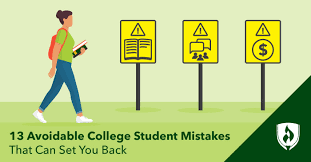
    College life is exciting, full of new experiences, friends, and opportunities. But it can also be tricky. With freedom comes responsibility, and mistakes in these years can have lasting consequences. Everyone makes errors, of course, but some common mistakes are easy to avoid if you’re aware of them. Here’s a detailed guide to the 10 biggest mistakes students make in college—and how to steer clear of them.

    1. Procrastination

    Let’s be honest—this one is universal. Waiting until the last minute to complete assignments, study for exams, or even start projects seems tempting, but it’s a trap. Procrastination leads to stress, poor-quality work, and sometimes even failing grades.

    Solution: Break tasks into smaller chunks and set deadlines for yourself. Use planners or apps to stay organized. Starting early gives you time to revise and produce quality work, without the panic of a last-minute rush.

    2. Neglecting Time Management

    College comes with freedom, but without structure, it’s easy to waste hours. Attending classes, completing assignments, socializing, and working part-time requires balance. Poor time management can make life chaotic, leading to burnout or missed deadlines.

    Solution: Plan your week in advance. Allocate time for studies, work, and leisure. Prioritize tasks and stick to your schedule as much as possible. Tools like Google Calendar or Trello can help keep you on track.

    3. Skipping Classes

    Skipping classes might seem harmless, especially if lectures are online or notes are available. But missing classes regularly is a huge mistake. You miss explanations, discussions, and important details that aren’t in textbooks. It also affects participation grades and relationships with professors.

    Solution: Treat classes as non-negotiable appointments. If something unavoidable comes up, make sure to catch up on the material immediately. Participation matters more than you think.

    4. Ignoring Mental and Physical Health

    Many students focus entirely on academics or social life, neglecting their health. Irregular sleep, poor diet, lack of exercise, and stress can have serious consequences. Mental health issues like anxiety or depression are common in college but often ignored.

    Solution: Prioritize self-care. Sleep regularly, eat well, exercise, and take breaks when needed. Don’t hesitate to seek counseling or support services if you’re struggling. Healthy students perform better academically and socially.

    5. Not Asking for Help

    College can be overwhelming, and many students feel pressure to handle everything alone. Not asking for help—whether from professors, advisors, or peers—is a mistake. It can lead to unnecessary struggles, poor grades, or missed opportunities.

    Solution: Seek help when needed. Attend office hours, join study groups, or talk to advisors. Asking questions shows initiative, not weakness. Support networks make college life manageable.

    6. Overcommitting to Extracurriculars

    Being active in clubs, sports, or volunteering is great—but doing too much can backfire. Overcommitting leaves little time for academics, rest, or personal life. It can cause stress and reduce overall effectiveness in activities.

    Solution: Choose a few activities you’re passionate about. Commit fully to them rather than spreading yourself too thin. Quality involvement is better than quantity.

    7. Poor Financial Management

    College often comes with first experiences managing money. Overspending on social activities, food, gadgets, or clothes can quickly lead to debt. Many students underestimate living costs or fail to budget properly.

    Solution: Create a budget, track expenses, and prioritize essentials. Use student discounts, buy used textbooks, and avoid unnecessary credit card debt. Learning financial discipline early prevents bigger problems later.

    8. Focusing Only on Grades

    Grades are important, but focusing solely on them can be limiting. College is also about personal growth, networking, skill development, and exploring interests. Overemphasis on grades may lead to stress, burnout, and missed opportunities.

    Solution: Balance academics with activities that develop skills and experiences. Internships, projects, and social involvement matter as much as GPA in shaping your future.

    9. Neglecting Networking Opportunities

    Many students underestimate the power of networking. Relationships with professors, peers, and professionals can open doors for internships, jobs, and mentorships. Neglecting these opportunities is a mistake that can affect your career later.

    Solution: Attend networking events, engage with professors, join clubs, and connect with alumni. Building genuine relationships now can have long-term benefits.

    10. Not Exploring Interests or Passions

    College is a time for exploration. Many students stick only to their major or comfort zone, missing chances to discover new interests or skills. Limiting yourself too early can lead to regret or missed opportunities.

    Solution: Take diverse courses, attend workshops, join clubs, and try new things. Exploring helps you discover passions, strengths, and even potential career paths you didn’t consider.

    Conclusion

    College life is a mix of freedom, responsibility, and growth. Mistakes are inevitable, but being aware of common pitfalls can help you navigate this period more effectively. Avoid procrastination, manage your time wisely, attend classes, and take care of your health. Don’t hesitate to ask for help, be selective with extracurriculars, and manage your finances. Balance grades with experiences, network, and explore interests beyond your comfort zone.

    These ten mistakes may seem obvious, but many students make them unknowingly. By staying mindful, organized, and proactive, you can make the most of your college years—academically, socially, and personally. College is more than just earning a degree; it’s about growth, learning, and preparing for the future. Avoiding these common mistakes ensures you not only survive college but thrive.