Category: Environment

  • Climate Change and Extreme Heat Waves: The Global Crisis of 2026

    Climate Change and Extreme Heat Waves: The Global Crisis of 2026

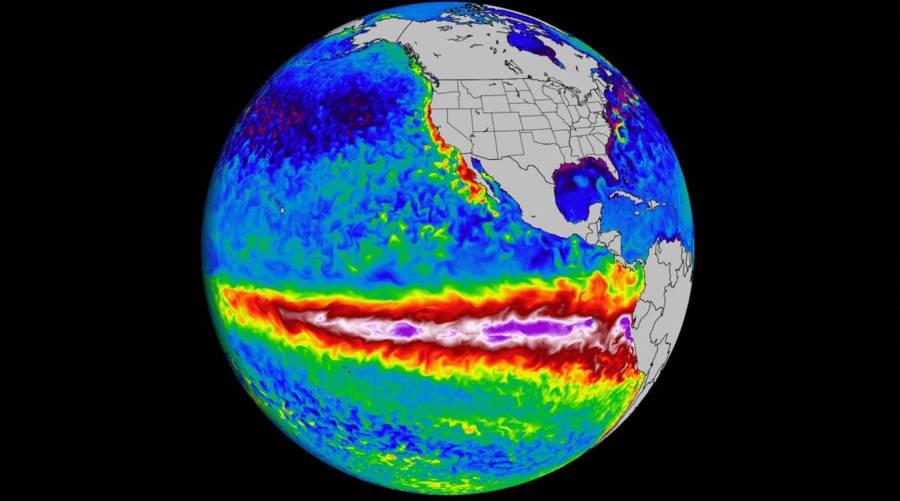
    In 2026, climate change has become one of the most serious and widely discussed issues around the world. Rising global temperatures, extreme heat waves, water shortages, floods, and wildfires are affecting millions of people across different countries. Scientists and environmental experts continue to warn that the Earth is warming at an alarming rate, and many people are now experiencing the direct effects of climate change in their daily lives.

    One of the biggest global concerns this year is the increase in extreme heat waves. Many countries in Asia, Europe, and North America have recorded dangerously high temperatures during the summer season. In some regions, temperatures crossed 50 degrees Celsius, making outdoor activities difficult and dangerous. Hospitals reported an increase in heatstroke cases, dehydration, and other weather-related illnesses. Governments were forced to issue emergency warnings and safety guidelines to protect citizens.

    Water scarcity has also become a major problem in many parts of the world. Rivers, lakes, and underground water sources are drying up due to rising temperatures and reduced rainfall. Farmers are struggling because crops cannot survive without sufficient water, leading to lower food production and rising food prices. Experts fear that if climate conditions continue to worsen, millions of people could face severe food and water shortages in the future.

    Wildfires are another major consequence of climate change. Countries such as Canada, Australia, Greece, and parts of the United States have experienced massive forest fires that destroyed homes, forests, and wildlife habitats. Smoke from these fires spread across cities, causing dangerous air pollution levels. Environmental organizations warned that these disasters are becoming more frequent because hotter temperatures and dry conditions make forests easier to burn.

    Flooding has also increased in many regions. Heavy rainfall and stronger storms have caused devastating floods in several countries, damaging infrastructure and forcing thousands of families to leave their homes. Coastal cities are particularly at risk because rising sea levels threaten buildings, roads, and transportation systems. Scientists believe that melting glaciers and polar ice are contributing significantly to this problem.

    Young people around the world are becoming more active in climate awareness campaigns. Students, activists, and environmental groups are using social media to spread awareness and demand stronger action from governments and corporations. Climate protests and environmental movements continue to grow as people call for cleaner energy and stricter environmental policies.

    Technology companies and scientists are also searching for solutions. Renewable energy sources such as solar power, wind energy, and electric vehicles are becoming more popular as countries attempt to reduce pollution and carbon emissions. Many governments have announced plans to invest in green energy projects to fight climate change and reduce dependence on fossil fuels.

    However, experts argue that progress is still too slow. Despite years of warnings, global carbon emissions remain high, and many industries continue to rely heavily on coal, oil, and gas. Environmental scientists believe immediate action is necessary to avoid even more severe climate disasters in the future.

    Climate change is not only an environmental issue but also an economic and social challenge. Natural disasters cause billions of dollars in damage every year, affecting businesses, agriculture, transportation, and healthcare systems. Poorer countries are often the most vulnerable because they have fewer resources to deal with climate emergencies.

    Social media has played a huge role in spreading climate awareness in 2026. Viral videos showing melting glaciers, wildfires, and extreme weather conditions have shocked millions of viewers online. Many people who once ignored climate issues are now realizing that global warming is a real and urgent threat.

    In conclusion, climate change and extreme heat waves have become one of the defining global topics of 2026. The world is facing serious environmental challenges that require immediate international cooperation and long-term solutions. While technology and renewable energy offer hope, experts agree that governments, businesses, and individuals must all work together to protect the planet for future generations.
  • Sustainability & Green Energy: Powering a Cleaner Future

    Sustainability & Green Energy: Powering a Cleaner Future

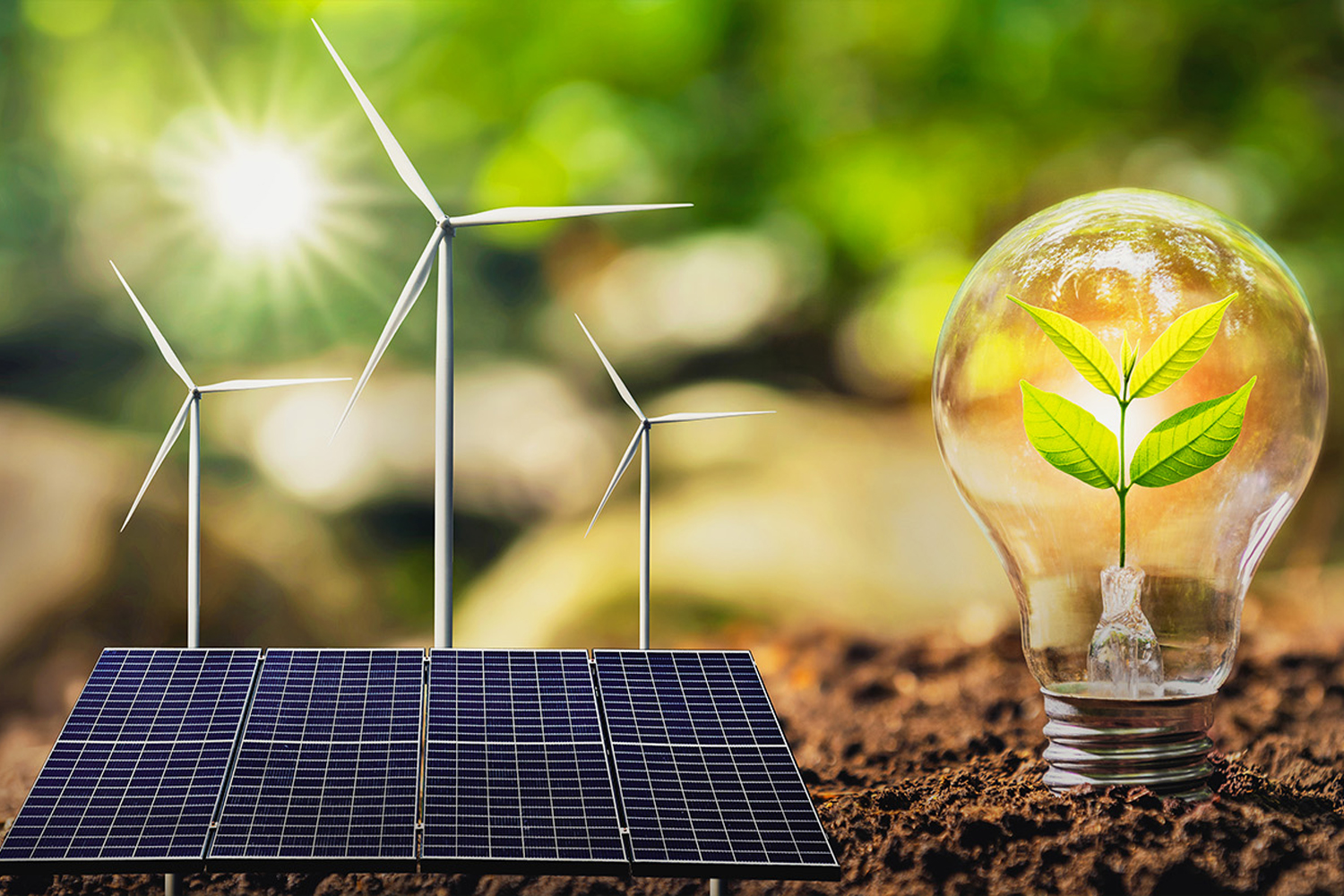
    Sustainability and green energy have become two of the most important global trends shaping the modern world. As climate change, pollution, and resource depletion continue to threaten the planet, governments, businesses, and individuals are shifting toward more sustainable practices. At the heart of this transformation is green energy—renewable power sources that reduce environmental impact and support long-term ecological balance.

    What Is Sustainability?

    Sustainability refers to meeting the needs of the present without compromising the ability of future generations to meet their own needs. It focuses on balancing three key areas: environmental protection, economic growth, and social well-being. Sustainable practices aim to reduce waste, conserve natural resources, and promote responsible consumption.

    In everyday life, sustainability can include actions such as reducing plastic use, recycling, conserving water, and choosing eco-friendly products. On a larger scale, it involves industries adopting cleaner production methods and governments implementing policies that protect the environment.

    What Is Green Energy?

    Green energy, also known as renewable energy, comes from natural sources that are constantly replenished. Unlike fossil fuels such as coal, oil, and gas, green energy produces little to no greenhouse gas emissions.

    The main types of green energy include:

    • Solar energy (power from sunlight)
    • Wind energy (generated by wind turbines)
    • Hydropower (energy from flowing water)
    • Geothermal energy (heat from the Earth)
    • Biomass energy (organic materials used as fuel)

    These energy sources are key to reducing carbon emissions and fighting climate change.

    Why Sustainability & Green Energy Are Global Trends

    The rise of sustainability and green energy is driven by several powerful factors. First and foremost is the urgent need to address climate change. Rising global temperatures, extreme weather events, and environmental degradation have made it clear that action is necessary.

    Another important factor is the depletion of fossil fuels. As traditional energy sources become more limited and expensive, renewable energy offers a reliable and long-term alternative.

    Consumers are also becoming more environmentally conscious. People now prefer brands and companies that prioritize sustainability, pushing businesses to adopt greener practices. This shift in consumer behavior is accelerating the demand for renewable energy and eco-friendly solutions.

    Benefits of Green Energy

    Green energy offers numerous benefits for both the environment and the economy. One of the most significant advantages is the reduction of greenhouse gas emissions, which helps slow down global warming.

    Renewable energy also improves air quality by reducing pollution, leading to better public health. Additionally, it creates new job opportunities in industries such as solar panel manufacturing, wind turbine installation, and energy management.

    From an economic perspective, green energy can reduce dependence on imported fuels, increase energy security, and lower long-term energy costs.

    Role of Governments and Policies

    Governments play a crucial role in promoting sustainability and green energy. Many countries are investing in renewable energy projects and offering incentives such as tax credits, subsidies, and grants to encourage adoption.

    International agreements and climate policies are also pushing nations to reduce carbon emissions and transition to cleaner energy sources. These efforts are helping create a global movement toward sustainability.

    Challenges in Achieving Sustainability

    Despite its many advantages, the transition to sustainability and green energy is not without challenges. One major issue is the high initial cost of renewable energy infrastructure. Although costs are decreasing, building solar farms or wind power systems still requires significant investment.

    Another challenge is energy storage. Renewable energy sources like solar and wind are not always available, so efficient battery storage systems are needed to ensure a steady power supply.

    Additionally, there is a need for better awareness and education to encourage widespread adoption of sustainable practices.

    The Future of Green Energy

    The future of sustainability and green energy looks promising. Technological advancements are making renewable energy more efficient and affordable. Innovations in battery storage, smart grids, and energy management systems are improving reliability and accessibility.

    Cities around the world are becoming “smart cities,” integrating green energy solutions into transportation, buildings, and infrastructure. Electric vehicles, energy-efficient homes, and sustainable urban planning are all part of this future.

    Businesses are also committing to net-zero emissions, aiming to balance the amount of greenhouse gases they produce with the amount they remove from the atmosphere.

    Conclusion

    Sustainability and green energy are no longer optional—they are essential for the survival and well-being of the planet. By reducing environmental impact, conserving resources, and promoting clean energy, these practices are shaping a better future for generations to come.

    As individuals, businesses, and governments continue to work together, the transition to a sustainable world powered by green energy will become not just possible, but inevitable.