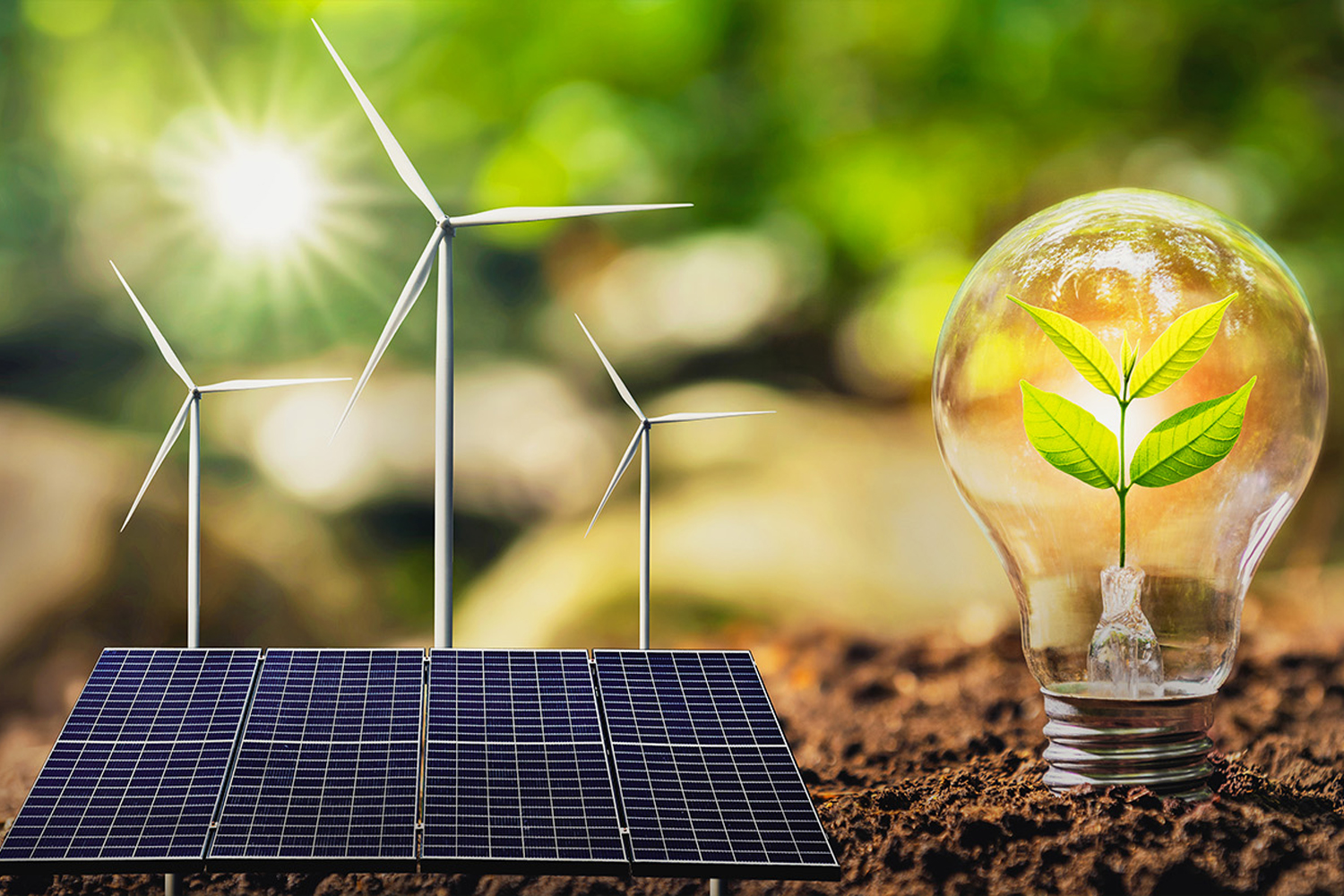
Sustainability and green energy have become two of the most important global trends shaping the modern world. As climate change, pollution, and resource depletion continue to threaten the planet, governments, businesses, and individuals are shifting toward more sustainable practices. At the heart of this transformation is green energy—renewable power sources that reduce environmental impact and support long-term ecological balance.
What Is Sustainability?
Sustainability refers to meeting the needs of the present without compromising the ability of future generations to meet their own needs. It focuses on balancing three key areas: environmental protection, economic growth, and social well-being. Sustainable practices aim to reduce waste, conserve natural resources, and promote responsible consumption.
In everyday life, sustainability can include actions such as reducing plastic use, recycling, conserving water, and choosing eco-friendly products. On a larger scale, it involves industries adopting cleaner production methods and governments implementing policies that protect the environment.
What Is Green Energy?
Green energy, also known as renewable energy, comes from natural sources that are constantly replenished. Unlike fossil fuels such as coal, oil, and gas, green energy produces little to no greenhouse gas emissions.
The main types of green energy include:
- Solar energy (power from sunlight)
- Wind energy (generated by wind turbines)
- Hydropower (energy from flowing water)
- Geothermal energy (heat from the Earth)
- Biomass energy (organic materials used as fuel)
These energy sources are key to reducing carbon emissions and fighting climate change.
Why Sustainability & Green Energy Are Global Trends
The rise of sustainability and green energy is driven by several powerful factors. First and foremost is the urgent need to address climate change. Rising global temperatures, extreme weather events, and environmental degradation have made it clear that action is necessary.
Another important factor is the depletion of fossil fuels. As traditional energy sources become more limited and expensive, renewable energy offers a reliable and long-term alternative.
Consumers are also becoming more environmentally conscious. People now prefer brands and companies that prioritize sustainability, pushing businesses to adopt greener practices. This shift in consumer behavior is accelerating the demand for renewable energy and eco-friendly solutions.
Benefits of Green Energy
Green energy offers numerous benefits for both the environment and the economy. One of the most significant advantages is the reduction of greenhouse gas emissions, which helps slow down global warming.
Renewable energy also improves air quality by reducing pollution, leading to better public health. Additionally, it creates new job opportunities in industries such as solar panel manufacturing, wind turbine installation, and energy management.
From an economic perspective, green energy can reduce dependence on imported fuels, increase energy security, and lower long-term energy costs.
Role of Governments and Policies
Governments play a crucial role in promoting sustainability and green energy. Many countries are investing in renewable energy projects and offering incentives such as tax credits, subsidies, and grants to encourage adoption.
International agreements and climate policies are also pushing nations to reduce carbon emissions and transition to cleaner energy sources. These efforts are helping create a global movement toward sustainability.
Challenges in Achieving Sustainability
Despite its many advantages, the transition to sustainability and green energy is not without challenges. One major issue is the high initial cost of renewable energy infrastructure. Although costs are decreasing, building solar farms or wind power systems still requires significant investment.
Another challenge is energy storage. Renewable energy sources like solar and wind are not always available, so efficient battery storage systems are needed to ensure a steady power supply.
Additionally, there is a need for better awareness and education to encourage widespread adoption of sustainable practices.
The Future of Green Energy
The future of sustainability and green energy looks promising. Technological advancements are making renewable energy more efficient and affordable. Innovations in battery storage, smart grids, and energy management systems are improving reliability and accessibility.
Cities around the world are becoming “smart cities,” integrating green energy solutions into transportation, buildings, and infrastructure. Electric vehicles, energy-efficient homes, and sustainable urban planning are all part of this future.
Businesses are also committing to net-zero emissions, aiming to balance the amount of greenhouse gases they produce with the amount they remove from the atmosphere.
Conclusion
Sustainability and green energy are no longer optional—they are essential for the survival and well-being of the planet. By reducing environmental impact, conserving resources, and promoting clean energy, these practices are shaping a better future for generations to come.
As individuals, businesses, and governments continue to work together, the transition to a sustainable world powered by green energy will become not just possible, but inevitable.
Leave a Reply