Category: world news

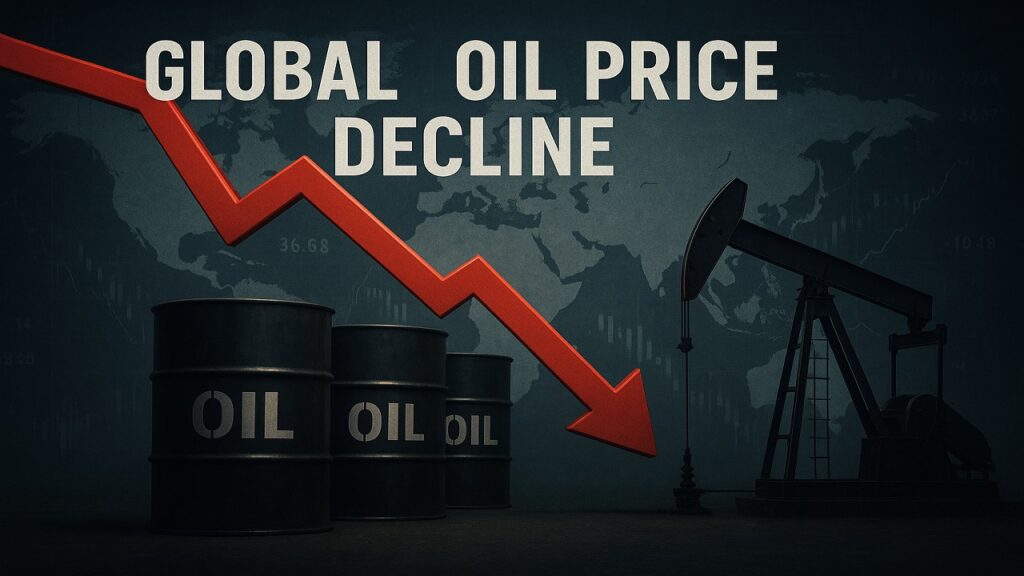
  • Oil Prices & Global Impact: How Rising Energy Costs Are Shaping the World Economy

    Oil Prices & Global Impact: How Rising Energy Costs Are Shaping the World Economy

    Rising oil prices have once again become a major global concern in 2026, affecting economies, businesses, and everyday life. As geopolitical tensions increase—especially involving Iran and key shipping routes like the Strait of Hormuz—energy markets are experiencing significant volatility. This article explores the causes of rising oil prices, their global impact, and what it means for the future.

    Why Oil Prices Are Rising in 2026

    One of the primary reasons behind rising oil prices is geopolitical instability in the Middle East. Conflicts and tensions in oil-producing regions directly affect supply chains. Countries like Saudi Arabia and Iran play a major role in global oil production, and any disruption in their output or export routes can push prices higher.

    The OPEC also influences oil prices by controlling production levels. When supply is reduced, prices tend to rise. Additionally, global demand continues to increase as economies recover and industrial activity expands.

    Impact on Global Economy

    Rising oil prices have a direct and immediate effect on the global economy. Higher fuel costs increase transportation expenses, which in turn raise the price of goods and services. This leads to inflation, making everyday life more expensive for people around the world.

    Organizations like the International Monetary Fund warn that sustained increases in oil prices can slow down economic growth. Developing countries are particularly vulnerable, as they rely heavily on oil imports and have limited financial flexibility.

    Effect on Inflation and Cost of Living

    When oil prices rise, the cost of living increases. Fuel is essential for transportation, electricity generation, and manufacturing. As these costs go up, businesses pass the burden onto consumers.

    For example:

    • Higher petrol prices increase travel costs
    • Food prices rise due to expensive transportation
    • Utility bills increase due to higher energy costs

    This creates a cycle of inflation that affects households globally, especially low- and middle-income groups.

    Impact on Businesses and Industries

    Different industries are affected in different ways:

    • Transportation & Logistics: Airlines, shipping companies, and delivery services face higher fuel costs
    • Manufacturing: Increased production costs reduce profit margins
    • Agriculture: Farming becomes more expensive due to fuel and fertilizer costs

    On the other hand, oil-producing companies and energy firms often benefit from higher prices, leading to increased profits in the energy sector.

    Stock Markets and Investment Trends

    Oil price fluctuations also impact global stock markets. When prices rise sharply, investors often react with caution. Energy stocks may increase, while sectors like travel and manufacturing may face declines.

    Investors closely monitor decisions made by organizations like OPEC, as well as geopolitical developments in the Middle East.

    Shift Toward Renewable Energy

    One long-term impact of rising oil prices is the acceleration of renewable energy adoption. Countries are increasingly investing in solar, wind, and electric vehicle technologies to reduce dependence on fossil fuels.

    High oil prices act as a catalyst for this transition, encouraging both governments and individuals to explore alternative energy sources.

    Future Outlook

    The future of oil prices depends on several factors:

    • Stability in the Middle East
    • Decisions by OPEC
    • Global economic growth
    • Technological advancements in energy

    If geopolitical tensions continue, oil prices may remain high or even increase further. However, advancements in renewable energy and policy changes could gradually reduce dependence on oil.

    Conclusion

    Rising oil prices in 2026 are more than just an energy issue—they are a global economic challenge. From inflation and business costs to investment trends and energy transitions, the impact is widespread.

    With key players like Iran, Saudi Arabia, and organizations like OPEC shaping the market, the world remains highly sensitive to oil price changes.

    For businesses, investors, and individuals, understanding these trends is essential to navigate the uncertain economic landscape ahead.
  • Middle East Conflict Escalation: A Growing Global Concern

    Middle East Conflict Escalation: A Growing Global Concern

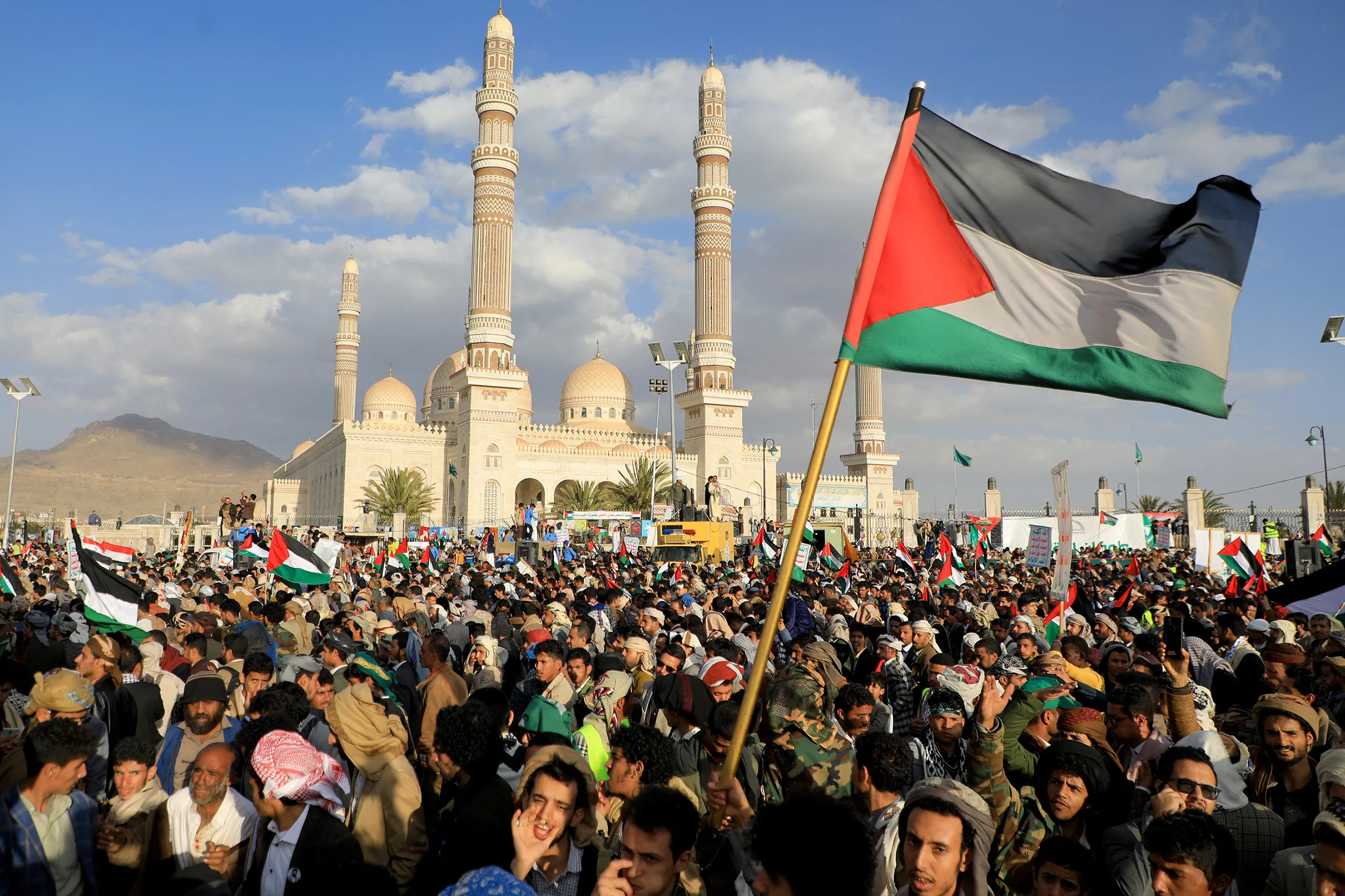
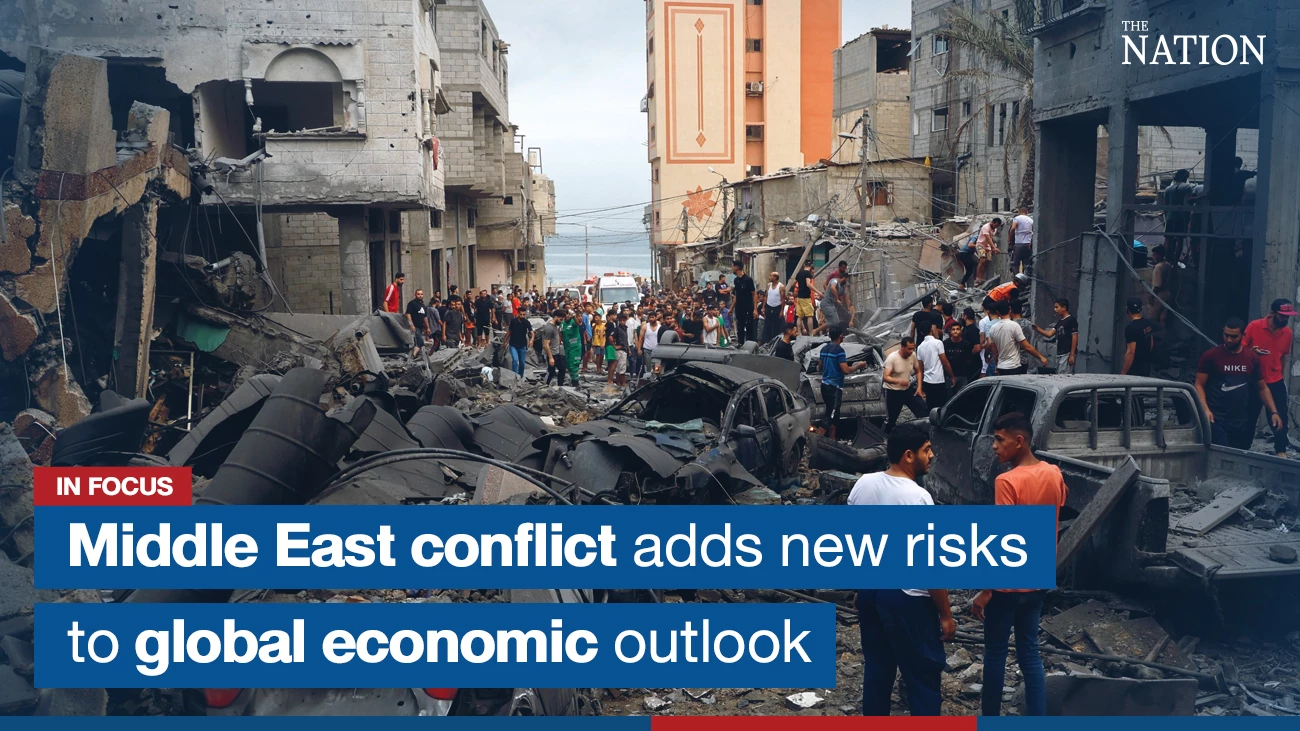
    The Middle East is once again at the center of global attention as tensions continue to rise, creating fears of a broader conflict with worldwide consequences. The ongoing escalation involving Iran, Israel, and the United States has not only increased regional instability but has also triggered economic and political concerns across the globe.

    At the heart of the current situation lies a long-standing rivalry shaped by ideological differences, strategic interests, and regional influence. Iran has expanded its presence in countries like Syria and Iraq, while Israel views this expansion as a direct threat to its national security. The United States, a key ally of Israel, has also played a major role in shaping the region’s political dynamics.

    Recent developments have significantly intensified the situation. Reports of military movements, drone activity, and naval presence in key areas have increased fears of direct confrontation. One of the most sensitive points in this conflict is the Strait of Hormuz, a narrow but crucial waterway through which a large portion of the world’s oil supply passes. Any disruption in this region could have immediate and severe consequences for global energy markets.

    As tensions rise, global oil prices have already started to react. Even minor disruptions or threats in the Middle East can cause sharp increases in fuel prices. This directly impacts transportation, manufacturing, and daily living costs worldwide. Countries that rely heavily on oil imports are especially vulnerable, as higher energy prices can lead to inflation and economic instability.

    Beyond the economic impact, the risk of military escalation remains a serious concern. A direct conflict involving Iran and Israel could quickly draw in other nations, including the United States. Such a scenario could transform a regional dispute into a wider international crisis. The presence of multiple armed groups and alliances in the region further complicates the situation, increasing the chances of unintended escalation.

    Diplomatic efforts are ongoing, but progress remains uncertain. Organizations like the United Nations continue to call for restraint and peaceful dialogue. However, deep-rooted mistrust and conflicting interests make negotiations extremely challenging. While some countries advocate for de-escalation, others are strengthening their military positions as a precaution.

    The humanitarian impact of this conflict is another major concern. Past conflicts in the Middle East have already caused significant loss of life, displacement of millions, and destruction of infrastructure. If the current tensions escalate further, civilians in affected regions could face severe hardships, including shortages of food, water, and medical supplies. Humanitarian organizations warn that the situation could worsen rapidly if peace efforts fail.

    Another important aspect of the crisis is its effect on global politics. The involvement of major powers reflects the strategic importance of the Middle East, particularly due to its vast energy resources and geographical position. Countries around the world are closely monitoring the situation, as any major escalation could disrupt international trade, financial markets, and diplomatic relations.

    In addition, modern warfare technologies such as drones, cyber operations, and advanced missile systems are playing a significant role in the current tensions. This makes the conflict more unpredictable and potentially more dangerous than in the past. The use of such technologies increases the risk of rapid escalation, even from small incidents.

    In conclusion, the current escalation in the Middle East represents a critical moment for global stability. The situation involving Iran, Israel, and the United States is not just a regional issue but a global concern with far-reaching consequences. Rising oil prices, economic uncertainty, and the risk of military conflict highlight the urgency of diplomatic solutions.

    The coming weeks will be crucial in determining whether tensions can be reduced or if the world will face a larger crisis. Strong leadership, international cooperation, and a commitment to peace will be essential to prevent further escalation and ensure stability in the region and beyond.

  • Middle East Conflict and Global Economy: Causes, Impacts, and Future Outlook

    Middle East Conflict and Global Economy: Causes, Impacts, and Future Outlook

    The Middle East conflict and global economy are closely connected in today’s world. Any political tension or war in the Middle East quickly affects oil prices, trade, and financial markets across the globe. This region plays a crucial role in supplying energy resources, making it highly influential in shaping the global economic landscape.

    What is the Middle East Conflict?

    The Middle East has faced ongoing conflicts due to political instability, territorial disputes, and power struggles among regional and global actors. Countries in this region hold significant strategic importance because of their natural resources, especially oil and gas. As a result, even small conflicts can have major global consequences.

    How Middle East Conflict Affects the Global Economy

    1. Impact on Oil Prices

    One of the biggest effects of Middle East conflict is on oil prices. The region produces a large share of the world’s oil. When conflict disrupts supply or creates uncertainty, oil prices rise rapidly. Higher oil prices increase transportation and production costs, which leads to inflation worldwide.

    2. Disruption of Global Trade Routes

    The Middle East is home to important shipping routes such as the Strait of Hormuz and the Red Sea. These routes are vital for global trade. Conflicts can block or threaten these routes, causing delays and increasing shipping costs. This directly impacts international businesses and supply chains.

    3. Financial Market Instability

    Global financial markets are highly sensitive to geopolitical tensions. During Middle East conflicts, investors often shift their money to safer assets like gold. This causes stock markets to fluctuate and creates uncertainty in the global economy.

    4. Increase in Military and Government Spending

    Countries involved in or affected by the conflict increase their defense budgets. This reduces spending on development sectors such as education, healthcare, and infrastructure, slowing down economic growth.

    5. Refugee Crisis and Economic Pressure

    Conflicts in the Middle East often lead to large-scale migration. Neighboring countries and even European nations face economic pressure due to increased demand for housing, jobs, and public services.

    Long-Term Effects on the Global Economy

    The long-term impact of Middle East conflict includes shifts in global trade policies, energy diversification, and new economic alliances. Many countries are now investing in renewable energy to reduce dependence on Middle Eastern oil. This shift could reshape the global economy in the future.

    Future Outlook

    The future of the global economy largely depends on stability in the Middle East. Peace and cooperation in the region can lead to stable oil prices, secure trade routes, and stronger economic growth worldwide. On the other hand, continued conflict may result in inflation, economic uncertainty, and slower global development.

    Conclusion

    In conclusion, the Middle East conflict and global economy are deeply interconnected. From rising oil prices to disrupted trade and financial instability, the effects are widespread. Understanding this relationship is essential for policymakers, businesses, and individuals to prepare for economic challenges and opportunities in the future.

  • USA vs Iran Conflict & Pakistan Role (2026 Update)

    USA vs Iran Conflict & Pakistan Role (2026 Update)

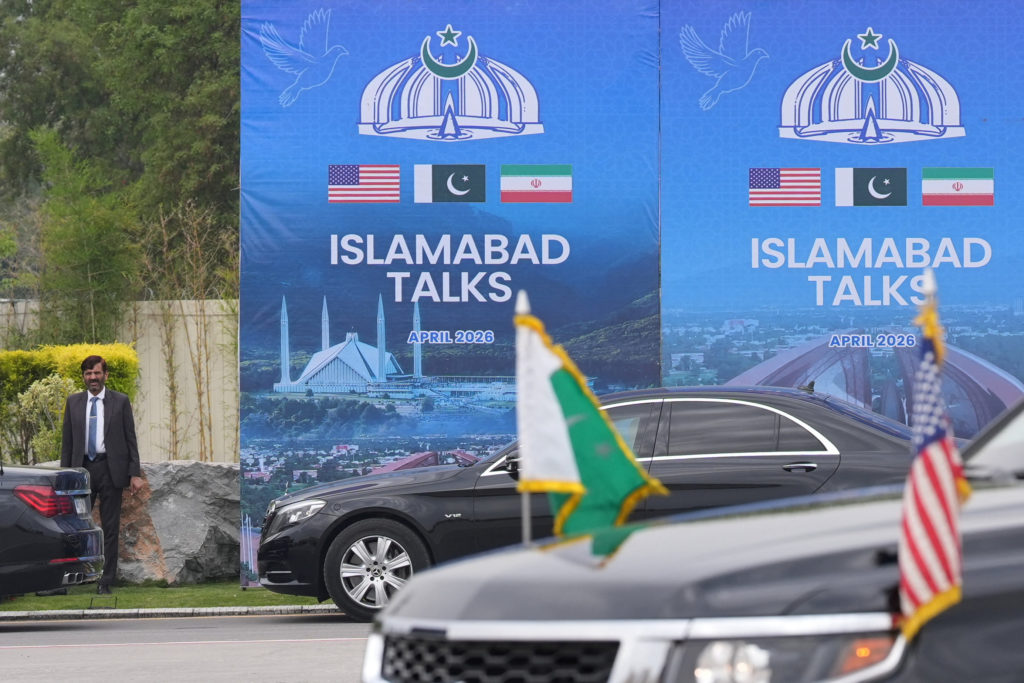
    The ongoing tension between the United States and Iran has become one of the biggest global issues in 2026. This conflict is not only affecting the Middle East but also impacting the global economy, oil prices, and international politics. In this situation, Pakistan is playing an important role as a peace mediator.

    USA vs Iran Conflict Overview

    The conflict between the USA and Iran has been ongoing for years due to:

    • Nuclear program issues
    • Regional power control
    • Political disagreements

    Recently, both countries tried negotiations but no final agreement was reached.

    Current Situation

    Even after talks, tensions are still high:

    • Iran continues its nuclear activities
    • USA demands strict agreements
    • Strait of Hormuz remains a sensitive oil route

    This situation is creating uncertainty in global markets.

    Pakistan’s Role in Peace Talks

    Pakistan has emerged as an important neutral country in this conflict.

    Pakistan’s role includes:

    • Hosting diplomatic meetings
    • Acting as a communication bridge
    • Encouraging peaceful negotiations
    • Supporting ceasefire discussions

    Pakistan’s neutral position makes it a trusted mediator for both sides.

    Why Pakistan is Important

    Pakistan plays a key role because:

    • Good relations with Iran
    • Strong diplomatic ties with USA
    • Strategic geographic location
    • Ability to balance international relations

    Because of this, Pakistan is seen as a peace bridge in global politics.

    Global Impact of Conflict

    This conflict affects the whole world:

    • Oil prices increase
    • Global trade becomes unstable
    • Stock markets react negatively
    • Energy supply gets affected

    Even countries not directly involved are feeling the impact.

    Security & Economic Concerns

    Major concerns include:

    • Risk of regional war
    • Disruption of oil routes
    • Rising inflation
    • Increasing military tensions

    That is why global leaders are pushing for peace.

    Future Possibilities

    Experts believe three possible outcomes exist:

    1. Peace agreement between USA and Iran
    2. Long-term diplomatic standoff
    3. Escalation if talks fail

    Pakistan and other countries are trying to support peace efforts.

    Final Thoughts

    The USA vs Iran conflict is one of the most sensitive global issues in 2026. While tensions remain high, Pakistan is playing an important role in trying to bring peace.

    The world is now watching closely to see whether diplomacy will succeed or the conflict will continue.