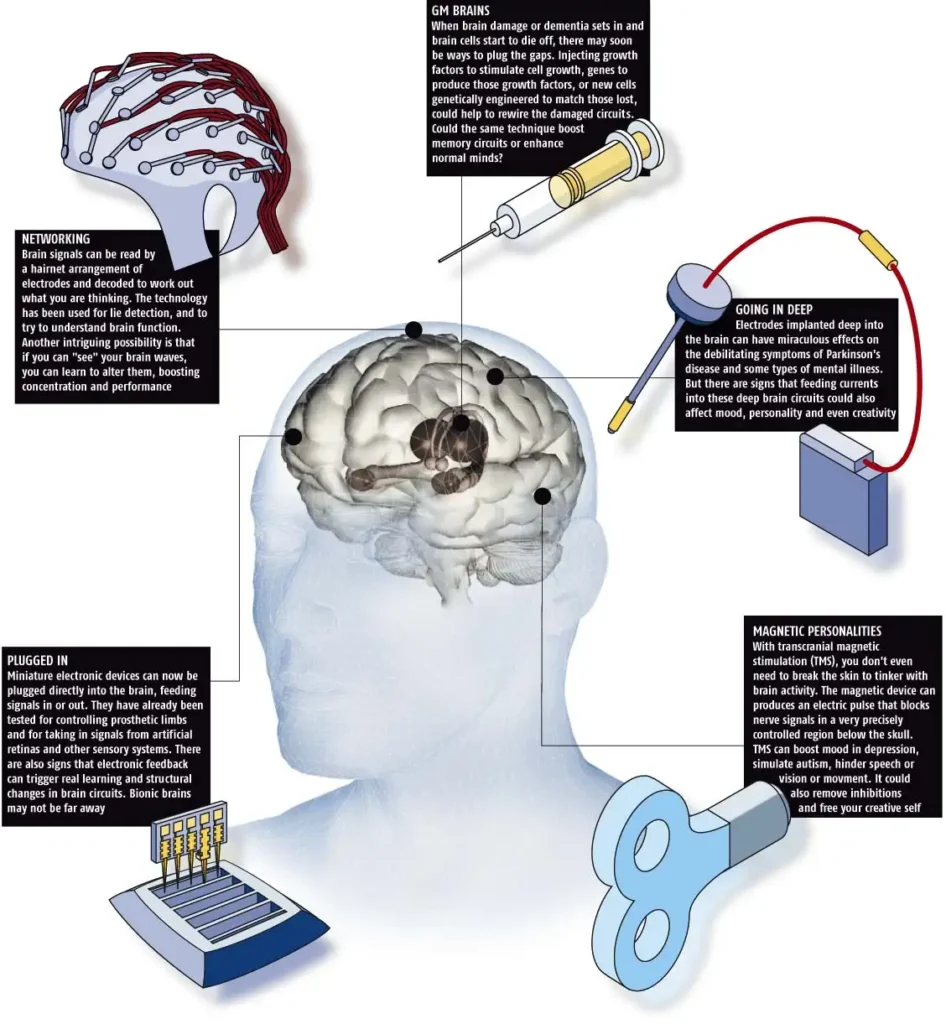
Memory can feel slippery sometimes. You learn a name, and it’s gone five minutes later. Or you walk into the kitchen and suddenly—wait, why am I here? It’s frustrating, a little embarrassing. But the truth is, memory isn’t fixed. The brain isn’t a box with limited storage. It’s alive, constantly reorganizing and adapting. Which means you can train it. Strengthen it. Even rebuild it in ways most people don’t realize.
Let’s dive into the science and the everyday strategies that actually work.
Your Brain Is Always Changing
First—something important. The brain is plastic. Not literally (yeah, obvious), but in a biological sense. It can rewire itself, grow new neural pathways, prune old ones. Scientists call this neuroplasticity. When you practice a skill or absorb new information, neurons fire together and form stronger bonds. The more you repeat, the easier that memory becomes to retrieve. “Neurons that fire together wire together”—simple phrase, huge meaning.
And this isn’t just for kids. Adults can form new neural pathways, too. Older adults as well. The lifelong ability to learn and remember is built right into us.
Why Memory Fades
Before building memory, it’s helpful to know why it slips away. Some forgetting is normal. The brain prunes unused data to save energy—kind of like cleaning a cluttered desktop. But certain habits make recall harder:
- chronic stress
- lack of sleep
- poor nutrition
- multitasking
- low emotional connection
These don’t “kill” memory, but they definitely make it harder to store and retrieve.
Step 1: Improve Attention First
Memory begins with attention. You can’t remember what you never really noticed.
If you’re listening to someone talk while scrolling your phone, you’ll process almost nothing deeply. Modern life trains us to multitask, but real learning is single-tasked. Focused.
Try this:
For one conversation a day, listen fully. No phone. No thinking ahead to your reply. Just be there. You’ll be surprised how much more sticks.
Sometimes simply telling yourself, “Pay attention,” is enough to prime your brain to encode information.
Step 2: Use Spaced Repetition
Cramming feels like progress—until everything slips away a day later. The brain needs time to consolidate memory. This is why spaced repetition works.
It’s the idea that you should revisit information after increasing intervals:
Day 1 → Day 2 → Day 4 → Day 7 → Day 14 → etc.
Each review strengthens the memory trace. Think of it like stamping deeper grooves into a record so the music plays clearer each time.
Flashcards help. Re-writing information helps. Teaching someone else works even better.
Step 3: Turn Information Into Emotion
Emotion is the brain’s “save” button. Seriously. When something feels meaningful—funny, scary, exciting—the brain flags it as important. That’s why we remember breakups and vacations but forget the 30 random emails we read.
So to remember facts, make them emotional. Silly even. Associate names with images. Turn details into stories. The weirder, the better.
Need to memorize groceries? Picture a carrot riding a skateboard. Eggs doing ballet. Sounds dumb. It works.
Step 4: Use Multiple Senses
The more senses involved, the more memory pathways you create. Reading is good. Saying it out loud? Better. Drawing it? Even better. Writing by hand lights up many more brain regions than typing because it forces slower processing.
So if you really need to remember something, do it with your eyes, ears, and hands.
Some people use doodles. Others record voice notes and play them back. There’s no “right” way—just more pathways.
Step 5: Exercise Your Body to Exercise Your Brain
Movement increases blood flow to the brain, delivering oxygen and nutrients it needs to build new connections. Even a 20-minute walk can boost recall. Aerobic exercise is especially powerful because it increases BDNF (Brain-Derived Neurotrophic Factor), a molecule that supports neuron growth.
Think of BDNF like fertilizer for your brain.
You don’t need gym memberships or fancy apps. Just walk. Maybe dance. Jump rope. Move however you enjoy.
Step 6: Sleep—The Silent Memory Builder
Sleep is where memories get stitched together. Short-term bits are transferred into long-term storage. Without enough sleep, you can study or repeat something all day and still not retain it.
Deep sleep solidifies facts and procedures; dreaming (REM) helps integrate creative connections.
So yes—“sleeping on it” is actually a neuroscience trick.
Aim for 7–9 hours. Keep your sleeping schedule consistent. Your brain loves routine.
Step 7: Reduce Stress, a Little at a Time
Stress chemicals—especially cortisol—disrupt memory formation. That’s why in high-pressure moments, your brain blanks out. Chronic stress shrinks the hippocampus, the memory center.
You don’t have to become a monk. Just pick small changes:
- breathing exercises
- short walks
- journaling
- music
- talking with a friend
Even lowering stress 10–15% helps memory bounce back.
Step 8: Feed Your Brain
Certain nutrients support memory, including omega-3s, choline, and antioxidants. Foods like:
- salmon
- eggs
- blueberries
- walnuts
- green tea
- leafy greens
Water matters too. Even mild dehydration affects focus and recall.
Not magic—just fuel.
Step 9: Challenge Your Brain
Memories grow when we use them. So do new skills. The brain loves novelty and hates boredom.
Pick something that challenges you. Learning a language, an instrument, chess, gardening—whatever. Difficult tasks build more pathways.
Even simple things like taking a different route to work, switching hands while brushing your teeth, or talking to new people can spark new connections.
Small things. Big results.
Conclusion
Memory isn’t fixed—or doomed. You can train it like a muscle. Slowly, daily. Focus helps. Sleep helps. Emotion helps. Movement helps. Little, consistent habits reshape the brain over time.
Think of your brain like a garden. When you nurture it—feed it well, rest it, challenge it, give it novelty—it grows. New pathways. New strengths. More clarity.
Training your brain isn’t about perfection. It’s repetition, curiosity, and a little patience. And honestly, that’s something anyone can do.