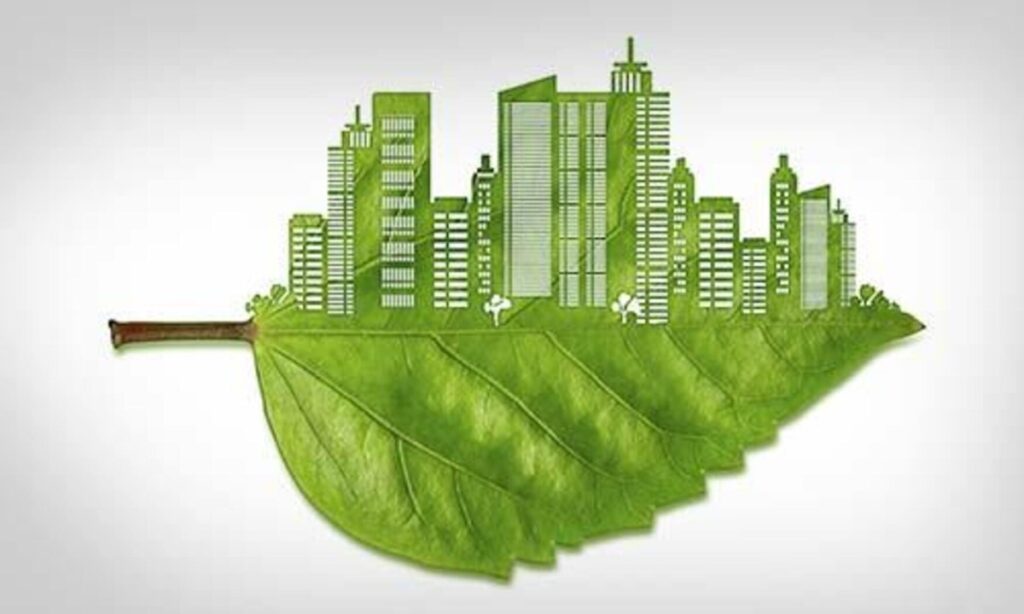
In the world we live in today, the word “sustainability” isn’t just a trendy buzzword anymore. It’s survival. It’s our future. It’s the way forward if we want our planet to stay livable, beautiful, and balanced for generations to come. “Learn Green” isn’t just about education—it’s about changing the way we think, live, and connect with our environment.
🌱 What Does “Learn Green” Really Mean?
When we talk about “Learn Green,” we’re not just talking about planting trees or recycling bottles (though that’s a start). It’s a mindset—a way of learning and living that integrates eco-consciousness into everything we do.
It’s about understanding the impact of our choices, big or small. From the food we eat to the clothes we buy, from how we travel to how we use technology—everything has an environmental footprint.
Learning green means learning responsibility. It means realizing that progress doesn’t have to come at the cost of nature. Education plays a huge role here—schools, workplaces, and communities can inspire people to adopt greener habits that last a lifetime.
🌍 Educate yourself
Let’s be honest, sustainability starts with awareness.
And awareness comes from education.
If schools start teaching kids why protecting nature matters—not just through textbooks but through real experiences—then we start raising a generation that truly cares. Imagine classes that include community gardening, waste segregation projects, and field trips to renewable energy plants.
That kind of hands-on learning builds empathy for the environment.
Even universities and companies have a part to play. Corporate workshops on energy saving, recycling, and sustainable business models can ripple outward—creating real impact at scale. The key is to teach sustainability not as an option, but as a core value.
💡 Technology Meets Sustainability
Many people think technology and nature are opposites. But they can actually work hand-in-hand.
Green technology is already reshaping industries—solar panels on rooftops, electric vehicles on roads, smart homes that save power. These aren’t futuristic ideas anymore; they’re happening now.
But we still need to learn how to use technology wisely. A phone or computer can connect us to information about green practices, but it can also contribute to electronic waste if not disposed of properly. So, “Learn Green” is about balance—using innovation to reduce harm while maximizing good.
♻️ Small Changes, Big Impact
Building a sustainable future isn’t about perfection. It’s about progress.
We don’t need a handful of people doing sustainability perfectly—we need millions doing it imperfectly, but consistently.
simplicity
- You
- Choosing public transport or cycling.
- Suppo
- Veterans
- Reusing, repairing, recycling—wherever possible.
When small changes become habits, they lead to big transformations. And when communities unite under the same green values, that’s where real change begins.
🤝 Result
The “together” part of Learn Green – Building a Sustainable Future Togetheri
No individual, company, or government can do it alone. Collaboration is key.
Communities can create local initiatives—like tree-planting drives, waste management campaigns, or sustainability fairs—to get people involved. Businesses can invest in clean energy and eco-friendly packaging. Governments can set stronger policies to support renewable industries.
When everyone contributes—even in small ways—the collective effort becomes unstoppable.
🌾 A Call to Action
Our planet is at a turning point. Climate change isn’t a distant problem anymore—it’s here, visible, and urgent.
We can’t undo the past, but we can shape the future.
“Learn Green” is a reminder that education, awareness, and action are all interconnected.
To build a sustainable future, we must all become students again—willing to learn, unlearn, and relearn what it means to live in harmony with the Earth.
So let’s start today.
Let’s learn green. Live green.
And build a sustainable future—together.