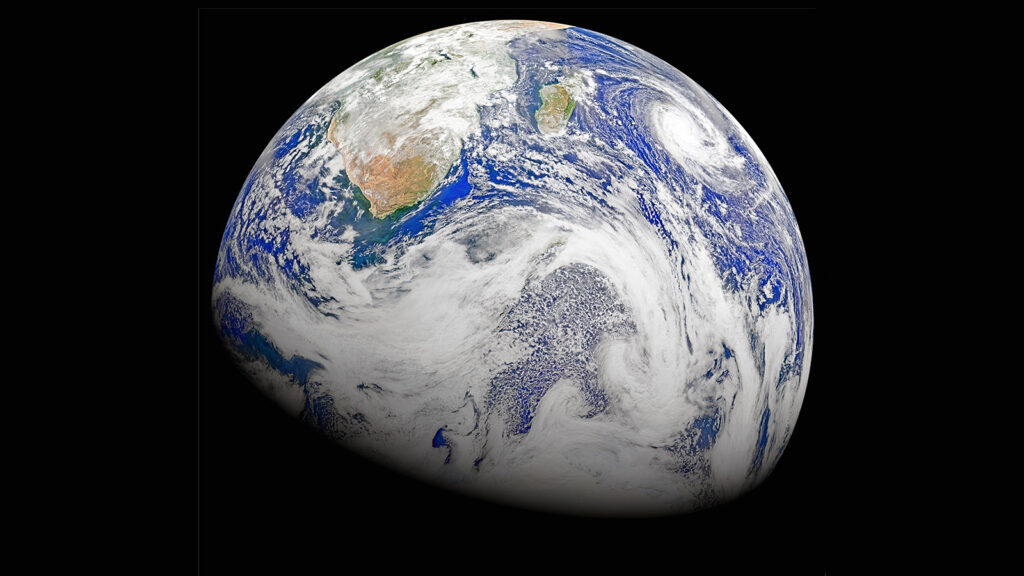
Our planet. It’s the only home we have. But let’s be honest—it’s under pressure. Climate change, pollution, deforestation, loss of biodiversity… the list goes on. It can feel overwhelming sometimes. But the good news? We can do something. And the first step is understanding the science behind protecting the Earth. Learning the science isn’t just for scientists. It’s for all of us—students, workers, parents, even kids. Knowledge gives power, and power can create change.
Why Understanding the Science Matters
You might ask, “Why do I need to know the science?” Well… without knowing how things work, we can’t fix them properly. For example, if you don’t understand how greenhouse gases trap heat in the atmosphere, it’s hard to make sense of global warming. If we don’t know how soil erosion happens, planting trees or farming might not work as intended. Science is like the instruction manual for the planet. It tells us what is happening, why, and what might happen if we don’t act.
The Core Areas of Earth Science
To protect our planet, there are a few key areas of science we need to understand:
1. Climate Science
This is about understanding the weather patterns, the atmosphere, and how humans affect the climate. Greenhouse gases like carbon dioxide and methane trap heat, causing the planet to warm. That leads to melting glaciers, rising sea levels, and extreme weather. Learning the science helps us know what actions reduce harm, like using renewable energy or planting trees.
2. Ecology and Biodiversity
Everything on Earth is connected. Plants, animals, microorganisms—they all play a role in the ecosystem. When one species disappears, it can ripple across the system. Studying ecology teaches us how to maintain balance and protect endangered species. Small acts like preserving habitats or reducing pollution make a big difference.
3. Environmental Chemistry
This might sound complicated, but it’s basically about understanding what chemicals are in our environment and how they affect life. From pesticides in soil to plastic in oceans, science helps us figure out what is safe and what is harmful. It also guides policies, like banning certain chemicals or promoting cleaner alternatives.
4. Earth Systems and Geology
Rivers, mountains, oceans, volcanoes—they shape the planet. Learning how these systems work helps us prevent disasters or use resources responsibly. For instance, studying water cycles can improve water conservation, and understanding soil layers helps in sustainable farming.
5. Renewable Energy and Sustainable Technology
Science isn’t only about studying problems—it’s about solving them. Learning how solar panels, wind turbines, and hydroelectric systems work helps us reduce dependence on fossil fuels. Technology and science together can provide cleaner energy and reduce pollution.
How Learning Science Helps Us Protect the Planet
When we learn the science, our actions become smarter. We start making choices based on facts, not myths or guesses. Here’s how it helps:
- Better decision-making – understanding energy use, waste management, or transportation impact.
- Creating solutions – developing new technologies or methods to reduce pollution and protect ecosystems.
- Educating others – sharing knowledge with your community, friends, or family spreads awareness.
- Policy and advocacy – informed citizens can push governments and companies toward sustainable practices.
Even small changes matter. Turning off unused lights, reducing plastic, supporting sustainable products—these are all actions rooted in understanding cause and effect.
Learning Doesn’t Stop in Class
Science isn’t just in textbooks. It’s outside too. Observe nature. Test things. Ask questions. Plant a garden, track rainfall, study local wildlife. Participate in citizen science projects. Even simple experiments, like measuring how fast compost decomposes, teach important lessons about ecosystems and cycles.
The more we engage, the more we understand, the better we can protect our planet. Knowledge builds habits. Habits build change. Change protects life.
Challenges We Face
It’s not easy. The problems are big and global. Climate change won’t be solved by one person. But, if millions understand the science and act, small changes become a wave. We face misinformation too. Some people spread myths about climate or pollution. Learning science gives us tools to identify false information and make decisions based on evidence.
The Role of Everyone
Protecting the Earth is not just scientists’ work. Everyone plays a part. Kids can learn and act. Students can start projects in schools. Adults can advocate for greener policies and sustainable practices. Communities can work together to clean rivers, plant trees, and reduce waste. It all begins with understanding. Science gives us that understanding.
Conclusion
Learning the science of protecting our planet is more than memorizing facts. It’s about seeing the connections between humans and nature, understanding how our actions impact the Earth, and using knowledge to make better choices. Every small action counts. Every informed decision matters.
The planet’s future depends on what we do today. And it all begins with learning. When we understand the science, we don’t just survive—we thrive. We protect the forests, the oceans, the air, and the life that depends on them. Science gives us the roadmap. We just have to follow it—and start acting.