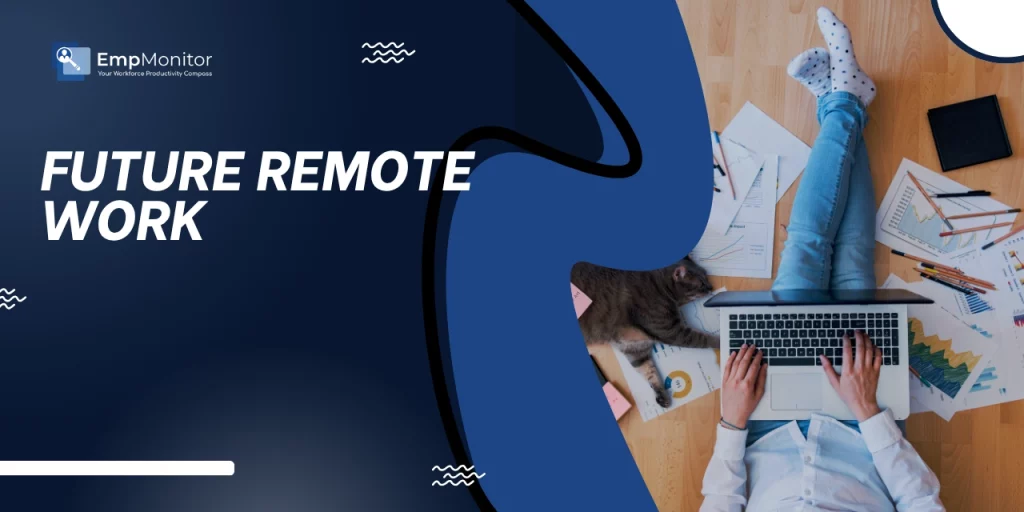
Remote work has evolved from a temporary solution into a permanent part of modern business culture. In 2026, companies worldwide are embracing flexible work models, allowing employees to work from home, co-working spaces, or anywhere with an internet connection. This shift is changing how businesses operate and how professionals build their careers.
As technology continues to improve, remote work is becoming more efficient, productive, and accessible than ever before.
Why Remote Work Continues to Grow
One of the main reasons for the growth of remote work is flexibility. Employees appreciate the ability to manage their schedules, reduce commuting time, and achieve a better work-life balance.
Companies also benefit by reducing office expenses and gaining access to a global talent pool. Instead of hiring only local candidates, businesses can recruit skilled professionals from around the world.
Technology Is Driving the Change
Advanced collaboration tools have made remote work easier than ever. Video conferencing, cloud storage, project management software, and instant messaging platforms allow teams to communicate effectively regardless of location.
Artificial intelligence is also helping businesses automate routine tasks, schedule meetings, and improve workflow management. These technologies increase productivity while reducing administrative workloads.
The Rise of Hybrid Work Models
Many organizations are adopting hybrid work models that combine remote and office-based work. Employees can enjoy the flexibility of working from home while still participating in in-person meetings and team-building activities when needed.
Hybrid work offers the best of both worlds, making it one of the most popular workplace trends in 2026.
Increased Focus on Employee Well-Being
Businesses are recognizing the importance of employee well-being. Companies are investing in mental health programs, flexible schedules, wellness initiatives, and digital tools that help employees manage stress and maintain productivity.
Happy and healthy employees are more engaged, motivated, and productive, making well-being a key factor in business success.
Remote Jobs Are Expanding
The demand for remote jobs continues to grow across industries. Technology, marketing, customer support, design, education, finance, and consulting are among the sectors offering more remote opportunities than ever before.
Freelancing and contract-based work are also becoming increasingly popular, giving professionals greater control over their careers and income.
Challenges of Remote Work
Despite its advantages, remote work presents certain challenges. Communication gaps, feelings of isolation, and difficulties in maintaining work-life boundaries can affect employees.
To address these issues, companies are implementing regular virtual meetings, team collaboration activities, and clear communication strategies to keep employees connected and engaged.
Cybersecurity Remains a Priority
As remote work expands, cybersecurity has become more important. Businesses must protect sensitive information and ensure employees follow security best practices.
Organizations are investing in secure networks, multi-factor authentication, and employee training programs to reduce cyber risks and protect company data.
Remote Work and Global Collaboration
One of the most exciting aspects of remote work is the ability to collaborate globally. Teams can work together across different countries and time zones, bringing diverse perspectives and expertise to projects.
This global collaboration encourages innovation and allows businesses to compete more effectively in international markets.
The Future Looks Bright
Experts believe remote work will continue to evolve as technology advances. Virtual reality meetings, AI-powered collaboration tools, and more sophisticated communication platforms are expected to enhance remote work experiences in the coming years.
Businesses that adapt to these changes will be better positioned to attract top talent and remain competitive in a rapidly changing economy.
Conclusion
Remote work is no longer just a trend—it is a fundamental shift in how people work and businesses operate. With advances in technology, growing employee demand for flexibility, and the rise of hybrid work models, remote work is shaping the future of the global workforce.
Organizations that embrace flexibility, prioritize employee well-being, and invest in modern technology will thrive in the new era of work. As remote work continues to grow, it will create new opportunities for businesses and professionals around the world.
Leave a Reply