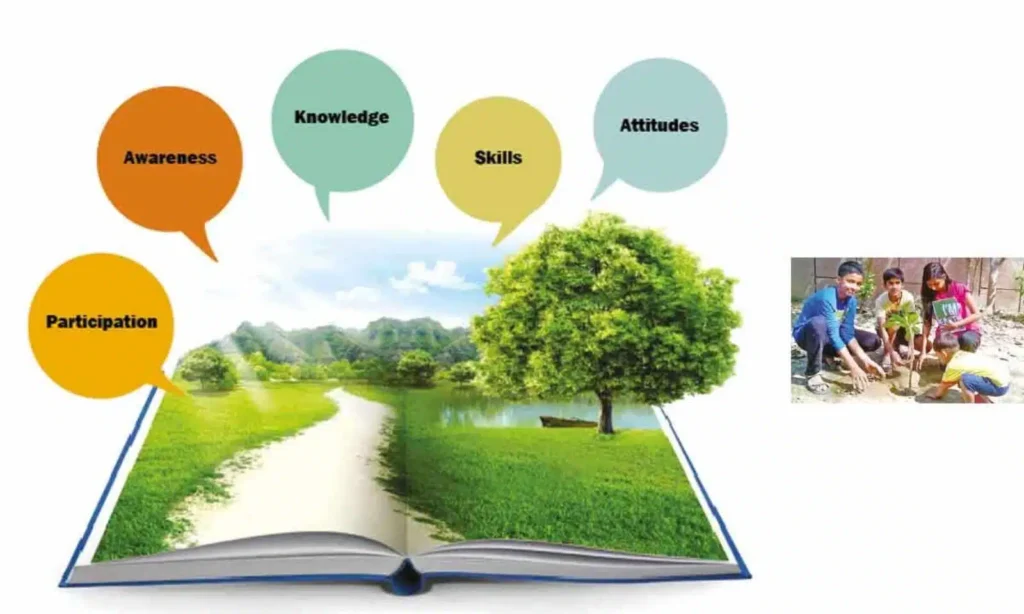
The climate crisis. It’s real. You can see it in wildfires, floods, hurricanes, heatwaves… the list goes on. And while scientists warn us about its dangers, solving it isn’t just about science—it’s about people. Changing how people think, behave, and make decisions is key. That’s where education comes in. Education shapes minds, habits, and choices. It can make the difference between a world that adapts and survives, and one that struggles to cope.
Why Education Matters for Climate Awareness
Without understanding, action is hard. People need to know the causes and effects of climate change before they can act. For example, if someone doesn’t know how burning fossil fuels contributes to global warming, they might not see the value in reducing energy use or switching to clean alternatives.
Education doesn’t just provide facts. It encourages critical thinking, problem-solving, and awareness of consequences. It helps people see how small actions—like saving water, reducing waste, or planting trees—add up to real change.
Key Areas Where Education Impacts Climate Awareness
1. Environmental Science
Teaching students about ecosystems, the greenhouse effect, and biodiversity loss builds understanding. When people see the connections between human activities and environmental changes, they can make informed decisions.
2. Sustainable Practices
Schools and universities can teach practical skills: energy efficiency, recycling, composting, sustainable farming. These are skills students can use at home, in their communities, and later in workplaces.
3. Civic Engagement
Education can show people that their voices matter. Climate change is not just an individual problem—it’s political, social, and global. Learning how to advocate, vote responsibly, and participate in environmental initiatives empowers citizens to influence larger change.
4. Technology and Innovation
Students can learn to use technology for climate solutions—solar panels, renewable energy projects, data collection for environmental research. Understanding tech allows learners to innovate responsibly.
5. Behavioral Change
Education shapes habits. People who understand the impact of their actions are more likely to adopt eco-friendly lifestyles—less plastic, more public transport, energy conservation.
Challenges in Using Education for Climate Awareness
Of course, it’s not simple. Some challenges include:
- Lack of Resources: Not all schools have the tools or trained teachers to teach climate science effectively.
- Misinformation: Climate myths and denial make teaching facts harder.
- Engagement: Students may feel overwhelmed or powerless—“What can I do?” is a common thought.
- Cultural Barriers: Communities may prioritize other issues, making environmental education less relevant in some contexts.
But these challenges are not impossible. Creative teaching, hands-on projects, and connecting lessons to local realities can make a big difference.
How to Improve Climate Education
- Start Early: Introduce environmental topics in primary school to build habits from a young age.
- Make it Practical: Field trips, tree planting, school gardens, energy audits—action reinforces learning.
- Use Technology: Apps, simulations, and data collection make lessons engaging and meaningful.
- Encourage Critical Thinking: Ask students to analyze problems, propose solutions, and debate policies.
- Connect Globally: Help students see that climate issues are worldwide, fostering empathy and collaboration.
The Bigger Picture
Education alone won’t stop climate change. Policies, industries, and governments play huge roles. But without climate-aware citizens, even the best policies may fail. Education creates a culture of responsibility. It turns knowledge into action. It helps communities adapt, innovate, and protect the planet for future generations.
Conclusion
The role of education in climate awareness is enormous. It informs, inspires, and empowers. It teaches people to understand the causes of climate change, to recognize the consequences, and to take meaningful action. Every student, teacher, and learner can play a part.
In the end, education is more than knowledge—it’s a tool for change. A climate-aware society is not built in a day. But step by step, lesson by lesson, we can raise a generation ready to tackle one of the greatest challenges humanity has ever faced.