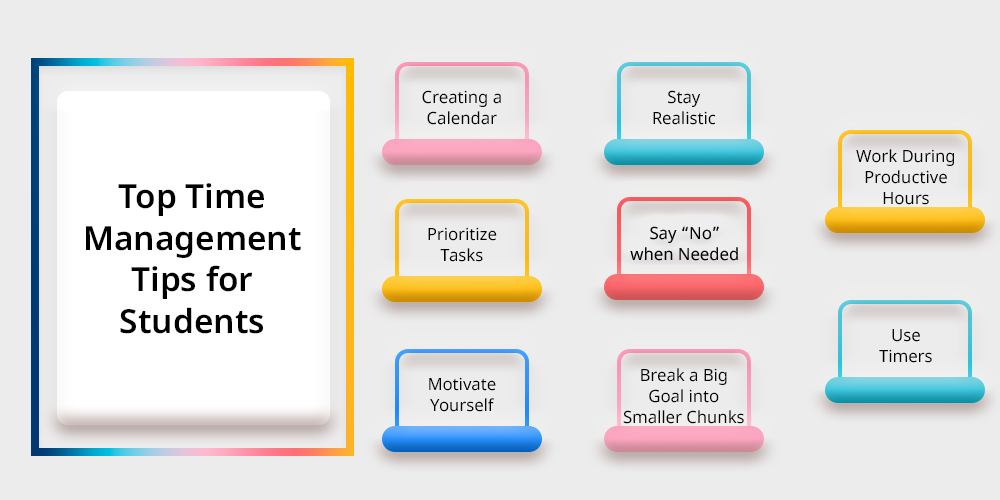
Time—funny thing, isn’t it? No matter how many hours you have in a day, it never feels like enough. Assignments, lectures, group projects, part-time jobs, social life… it piles up fast. If you’ve ever felt overwhelmed, anxious, or like you’re always running behind, you’re not alone. The good news? With some smart strategies and a bit of discipline, you can take control of your time instead of letting it control you.
1. Know Your Priorities
First things first: know what actually matters. Not every task is equally important. Some assignments or exams weigh more, some projects have tighter deadlines. Make a list of tasks and categorize them: urgent, important, and less important.
This simple step stops you from wasting hours on things that don’t really matter. It also gives a sense of direction—you know exactly where to focus. Trust me, trying to do everything at once just leads to stress and half-finished work.
2. Create a Realistic Schedule
A lot of students fail at time management because their schedules are unrealistic. Don’t block 12 hours straight thinking you’ll magically stay focused. Humans aren’t built that way.
Break your day into smaller chunks. Study for 50–60 minutes, then take a 5–10 minute break. Longer breaks after a few cycles. Include classes, meals, exercise, and even leisure time. A schedule isn’t about being rigid; it’s about giving your day structure and predictability.
3. Use a Planner or Digital Tools
Whether it’s a notebook or an app, keeping track of tasks is essential. Write down deadlines, exam dates, and study sessions. Seeing everything in one place reduces the chances of forgetting something.
Apps like calendars, reminders, and task managers are super helpful. But don’t go overboard. Pick one system and stick with it. Switching between apps or constantly checking notifications can waste more time than it saves.
4. Break Tasks Into Smaller Steps
Big assignments or projects can feel intimidating. And when you feel intimidated, procrastination sneaks in. The trick is to break large tasks into smaller, manageable steps.
For example, instead of “write essay,” break it down: research topic, outline, write introduction, write body paragraphs, revise. Checking off these small steps gives a sense of progress and keeps motivation high.
5. Avoid Multitasking
Multitasking is a myth. Trying to study while scrolling social media or chatting with friends divides your attention and slows you down. Focus on one task at a time. Complete it, then move on.
This may sound obvious, but it’s surprisingly hard to practice. A simple way to start is turning off notifications or putting your phone in another room during study sessions. You’ll be amazed at how much faster you can get things done.
6. Set Clear Goals
Time management isn’t just about making lists; it’s about having clear goals. What do you want to achieve in a study session, a week, or a month? Set SMART goals—specific, measurable, achievable, relevant, and time-bound.
For instance, “finish 20 pages of biology notes today” is way better than “study biology.” It’s precise, achievable, and keeps you accountable.
7. Learn to Say No
One of the hardest lessons for students is saying no. Social invitations, extra projects, random errands—they all eat into your time. It’s okay to decline things that interfere with your priorities. Time is your most valuable resource; guard it carefully.
Of course, balance is key. You don’t want to become a hermit, but learning to say no without guilt is a crucial skill.
8. Review and Reflect
At the end of each day or week, review your schedule. What went well? What didn’t? Did you procrastinate on certain tasks? Reflection helps you understand your habits, adjust your schedule, and become more efficient over time.
It’s easy to get frustrated when things don’t go perfectly, but small improvements compound over time. Even shifting your most productive study times by an hour can make a huge difference.
9. Take Care of Yourself
Time management isn’t just about doing more; it’s about doing better. Sleep, nutrition, and exercise are not optional. A tired, hungry, or stressed brain works slower, forgets things easily, and struggles with focus.
Even a short walk, stretching, or a healthy snack can boost energy and efficiency. Don’t sacrifice your well-being for productivity—good time management balances both.
Final Thought
Time management isn’t magic. It’s about habits, self-awareness, and intentional planning. Prioritize tasks, create a realistic schedule, focus on one thing at a time, and take care of yourself along the way.
Remember, it’s not about filling every minute with work. It’s about using your time wisely so you can achieve your goals without burning out. Master these strategies, and suddenly those overwhelming days don’t feel so impossible. You’ll finish assignments on time, be ready for exams, and even have some space left for life outside studying.
Time is limited, but with the right approach, you can stretch it farther than you thought possible. Start small, stay consistent, and watch how control over your time transforms your student life.