
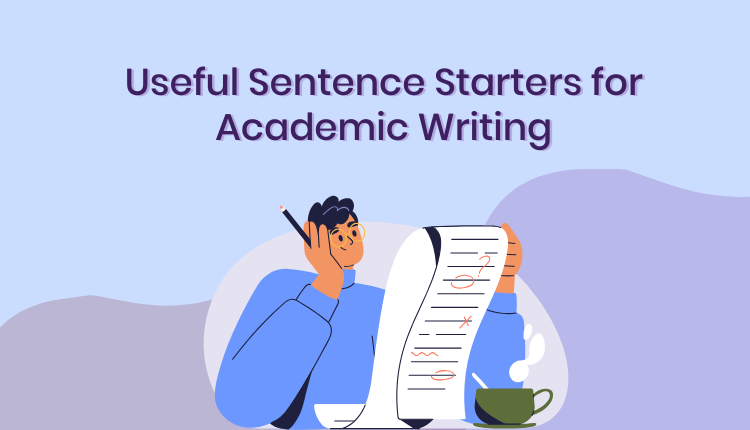
Academic writing demands clarity, precision, and adherence to well-established standards. Even the most innovative research can lose its impact if the language is unclear, inconsistent, or difficult to follow. For researchers, students, and professionals, refining a manuscript is not just a final step. It is a critical part of the entire research communication process. This is where specialized tools like Trinka can play a transformative role.
The Need for Specialized Grammar Support
Most general grammar checkers are designed for everyday communication such as emails, blogs, or business writing. While they are useful for correcting basic errors, they often lack the ability to understand the complexity of academic writing. Scholarly content includes technical terminology, domain-specific phrasing, and formal tone requirements that demand a more advanced approach.
For example, a sentence that is technically correct in general writing may still be inappropriate in an academic context due to tone or structure. This gap highlights the need for tools that are specifically built for research writing.
How Trinka Supports Researchers
Trinka is an AI-powered grammar checker developed to meet the unique requirements of academic and technical writing. It offers more than surface-level corrections by providing context-aware suggestions that improve both language and clarity.
- It refines sentence structure to enhance readability and flow
- It ensures that the tone remains formal and aligned with academic expectations
- It identifies inconsistencies in terminology and phrasing across the document
- It helps eliminate ambiguity and improves overall coherence
These features allow researchers to focus on their ideas while ensuring that their writing meets professional standards.
You can explore Trinka here:
https://www.trinka.ai/grammar-checker
Supporting Tools for Quality Assurance
While language refinement is essential, academic integrity and originality are equally important. After improving your manuscript with Trinka, it is important to verify that your work is free from unintentional duplication.
Enago’s plagiarism checker helps detect similarities with existing content and ensures that all sources are properly cited. This step is crucial for maintaining credibility and avoiding ethical concerns.
https://www.enago.com/plagiarism-checker/
In addition, the increasing use of AI tools in writing has introduced new expectations for transparency. Enago’s free AI content detector can help identify text that may appear AI-generated, supporting responsible and ethical writing practices.
https://www.enago.com/free-ai-content-detector/
Conclusion
A strong academic manuscript is built on both high-quality research and clear communication. By using Trinka alongside complementary tools for plagiarism detection and AI content assessment, researchers can create a reliable workflow that enhances both quality and integrity. This approach not only improves readability but also increases the likelihood of successful publication.











Leave a Reply