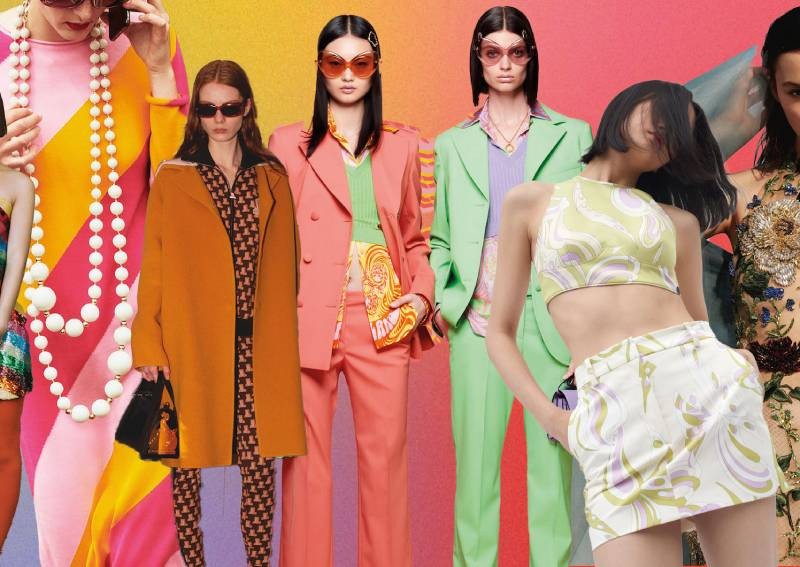
Fashion and lifestyle trends in 2026 are evolving faster than ever, driven by social media, AI influence, sustainability concerns, and a strong return of nostalgic styles. Today, fashion is not just about clothing—it represents identity, culture, comfort, and digital expression. From streetwear to luxury fashion, and from minimalism to bold experimental looks, the global style landscape is becoming more diverse and personalized.
1. The Return of 90s and Early 2000s Fashion
One of the strongest movements in recent years is the comeback of 90s and Y2K fashion. Low-rise jeans, oversized jackets, cargo pants, crop tops, and retro sneakers are once again dominating wardrobes. This revival is largely influenced by social media platforms like TikTok and Instagram, where vintage aesthetics often go viral.
Brands like Nike and Adidas have capitalized on this trend by re-releasing classic sneaker designs and retro collections. Younger generations, especially Gen Z, are blending old-school styles with modern fits, creating a unique hybrid fashion identity.
2. Rise of Sustainable Fashion
Sustainability has become one of the most important lifestyle shifts in the fashion industry. Consumers are now more aware of environmental issues and are demanding eco-friendly materials, ethical production, and transparent supply chains.
Slow fashion is replacing fast fashion in many markets. Instead of buying large quantities of cheap clothing, people are investing in fewer, high-quality pieces that last longer. Brands like Patagonia have set strong examples by promoting recycled materials and environmental responsibility.
Thrift shopping and second-hand fashion have also become mainstream. Online resale platforms and vintage stores are growing rapidly as people look for affordable and sustainable style options.
3. Athleisure and Comfort-First Clothing
Comfort has become a permanent priority in modern fashion. The athleisure trend—where athletic wear is styled as everyday clothing—continues to dominate global wardrobes. Joggers, hoodies, sneakers, and stretchable fabrics are no longer limited to gyms; they are now part of daily fashion.
Brands like Lululemon and Nike have played a major role in popularizing this trend. The shift toward remote work and flexible lifestyles has further strengthened the demand for comfortable yet stylish clothing.
4. Digital Fashion and AI Influence
Technology is now shaping fashion in unexpected ways. Digital fashion—clothing designed for virtual spaces—is becoming popular in gaming, social media, and the metaverse. People are buying digital outfits for avatars and online identities.
Artificial intelligence is also transforming the design process. AI tools can now predict fashion trends, design clothing patterns, and even suggest personalized outfits based on user behavior. This fusion of fashion and technology is making the industry more innovative and data-driven.
5. Minimalism vs. Bold Expression
Two contrasting styles are dominating the fashion world: minimalism and bold expression.
Minimalist fashion focuses on neutral colors, clean cuts, and simple designs. It reflects elegance, professionalism, and timeless appeal. On the other hand, bold fashion embraces bright colors, oversized silhouettes, experimental patterns, and statement pieces.
Luxury brands like Gucci and Balenciaga often lead bold fashion movements, pushing boundaries with unconventional designs. Meanwhile, minimalist brands focus on simplicity and versatility, appealing to people who prefer subtle elegance.
6. Social Media and Influencer Culture
Social media continues to be the biggest driver of fashion trends. Influencers, celebrities, and content creators play a major role in shaping what people wear. A single viral post can turn an outfit into a global trend overnight.
Platforms like Instagram, TikTok, and Pinterest act as digital runways where trends are born and spread instantly. Fashion is now more democratic—anyone can influence style trends regardless of location or background.
7. Gender-Neutral and Inclusive Fashion
Another important shift is the rise of gender-neutral fashion. Clothing is becoming less defined by traditional gender categories. Many brands are launching unisex collections that focus on comfort, fit, and self-expression rather than gender norms.
This inclusivity is also reflected in advertising campaigns, runway shows, and retail strategies. The fashion industry is slowly moving toward a more open and diverse representation of identity.
8. Lifestyle Trends Beyond Clothing
Fashion is closely linked to lifestyle trends. In 2026, wellness, mental health, and self-care are strongly influencing how people live and dress. Soft fabrics, relaxed fits, and calming colors reflect a lifestyle focused on balance and well-being.
Home aesthetics are also part of lifestyle fashion. Minimalist interiors, natural lighting, and eco-friendly materials are becoming popular as people extend their personal style into their living spaces.
Conclusion
Fashion and lifestyle trends in 2026 are a blend of nostalgia, innovation, and sustainability. From the return of vintage styles to the rise of digital fashion, the industry is constantly evolving. Technology, especially AI, is reshaping how trends are created and consumed, while sustainability is redefining long-term values.
Ultimately, fashion today is no longer just about following trends—it is about expressing individuality, embracing comfort, and adapting to a rapidly changing world.
Leave a Reply