
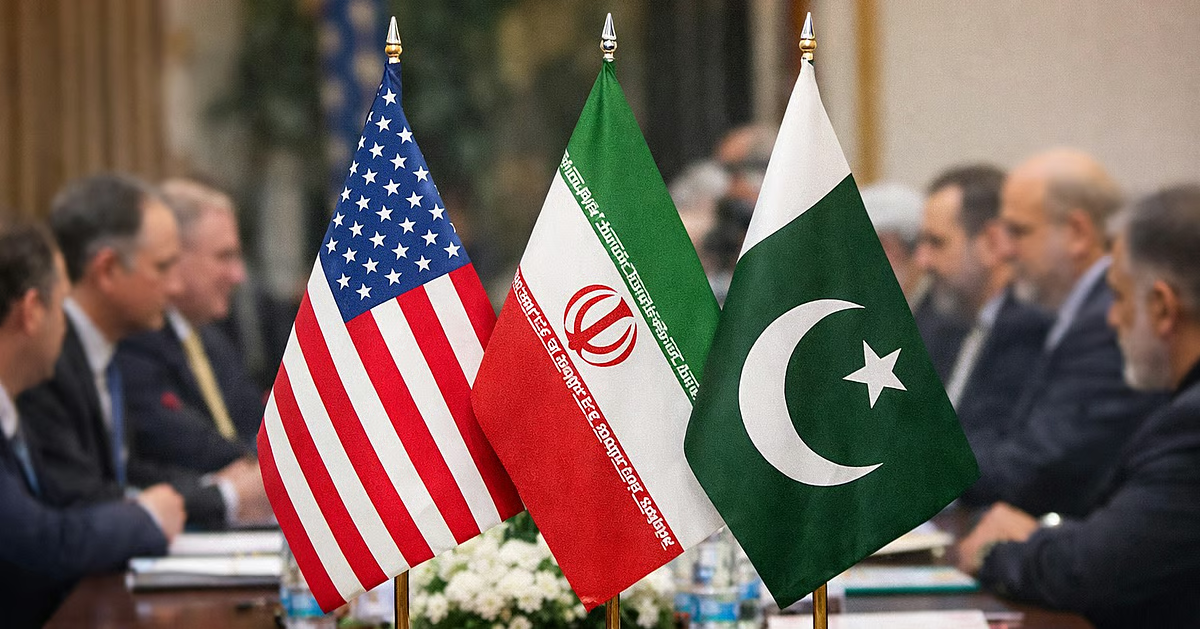
The ongoing conflict between Iran and the United States has become one of the most critical geopolitical crises of 2026. What started as a military escalation in late February has now evolved into a complex diplomatic standoff involving multiple global players. In this tense situation, Pakistan has emerged as a key mediator, attempting to bridge the gap between two long-standing rivals and prevent a wider regional war.
Background of the Iran–US Conflict
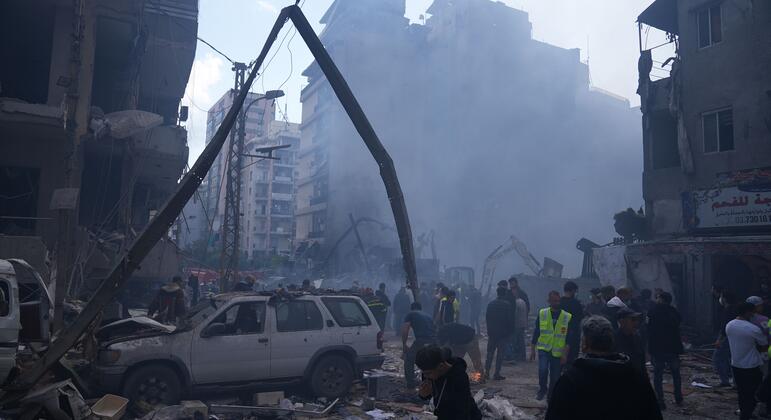
The Iran–US conflict intensified after a series of airstrikes and retaliatory attacks that destabilized the Middle East. The situation quickly escalated into a broader confrontation involving missile strikes, naval blockades, and rising tensions in strategic regions such as the Strait of Hormuz. This waterway is crucial for global oil supply, making the conflict not just a regional issue but a global economic concern.
A temporary ceasefire was established earlier in April 2026, but it remains fragile. The United States extended the ceasefire to allow more time for negotiations, while Iran has shown reluctance to engage under pressure. According to recent reports, Iran has clearly stated it will not participate in talks that resemble surrender or are conducted under threats.
Pakistan’s Entry as a Mediator
Pakistan’s involvement in the Iran–US conflict marks a significant shift in its foreign policy and global standing. Traditionally maintaining balanced relations with both Iran and the United States, Pakistan is uniquely positioned to facilitate dialogue. It shares a long border with Iran and has strategic ties with Gulf countries as well as Washington.
Islamabad hosted initial rounds of indirect talks and played a crucial role in securing the temporary ceasefire. Pakistani leadership has actively engaged in shuttle diplomacy, communicating with both sides to keep negotiations alive.
The country’s goal is not necessarily to achieve an immediate peace agreement but to ensure that dialogue continues. This approach reflects a realistic understanding of the deep mistrust between Tehran and Washington.
Challenges in the Peace Process
Despite Pakistan’s efforts, several challenges continue to hinder progress. One of the biggest obstacles is Iran’s distrust of the United States. Iranian officials have accused Washington of violating ceasefire terms and maintaining military pressure, including naval blockades and seizures of Iranian assets.
On the other hand, the United States has expressed frustration over Iran’s delayed response and internal divisions. Planned diplomatic visits, including a high-level US delegation to Islamabad, have been postponed due to uncertainty over Iran’s participation.
This lack of coordination and mutual suspicion has slowed down the negotiation process, making Pakistan’s role even more challenging.
Strategic Importance of Pakistan’s Role
Pakistan’s mediation efforts are not just about regional peace—they also carry global significance. By hosting talks and facilitating communication, Pakistan is positioning itself as a responsible and influential player in international diplomacy.
Analysts believe that successful mediation could enhance Pakistan’s global image, attract foreign investment, and strengthen its diplomatic ties with major powers.
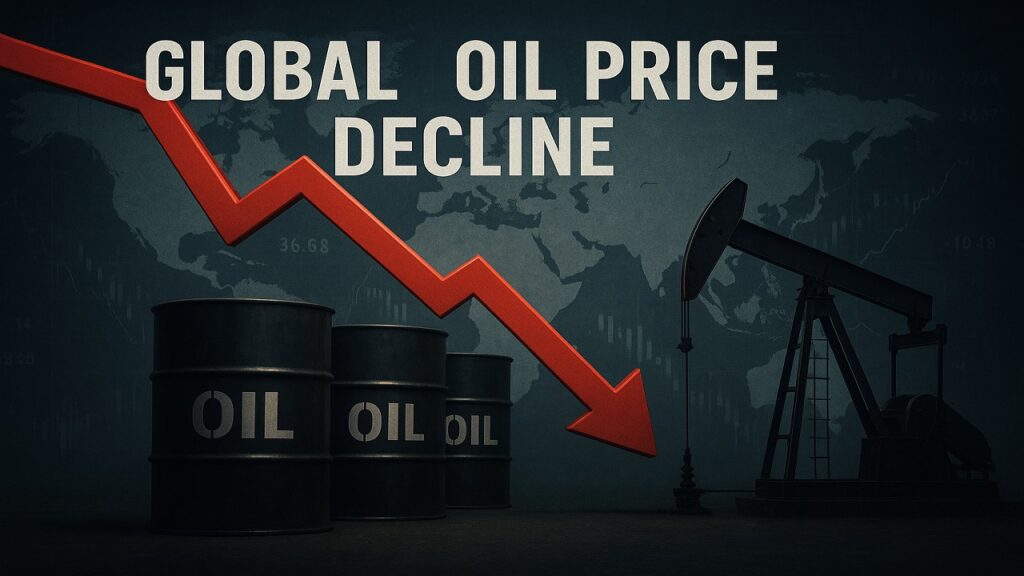
Moreover, stability in the Middle East directly impacts Pakistan’s economy, particularly in terms of energy imports and trade routes. A prolonged conflict could lead to rising oil prices and economic strain, making peace efforts even more critical for Islamabad.
Global Implications of the Conflict
The Iran–US conflict has far-reaching consequences beyond the Middle East. Rising tensions have already affected global oil markets, increased military spending, and created uncertainty in international trade.
There are also humanitarian concerns, as prolonged conflict could lead to displacement, economic hardship, and instability across the region. International organizations have warned that continued escalation could worsen global inflation and poverty levels.
Future Outlook
The future of Iran–US relations remains uncertain. While diplomatic efforts continue, the possibility of renewed conflict cannot be ruled out. The success of Pakistan’s mediation will depend on its ability to maintain neutrality, build trust, and encourage both sides to compromise.
Although immediate peace seems unlikely, even small steps—such as extending ceasefires or agreeing on basic terms—can pave the way for long-term stability.
Conclusion
The Iran–US conflict represents a critical moment in global politics, with significant implications for security, economy, and diplomacy. In this complex scenario, Pakistan’s role as a mediator stands out as both strategic and necessary.
By facilitating dialogue and promoting peaceful solutions, Pakistan is not only contributing to regional stability but also redefining its position on the global stage. Whether these efforts will lead to a lasting resolution remains to be seen, but one thing is clear: Pakistan has become a central player in one of the world’s most important diplomatic challenges.






Leave a Reply