
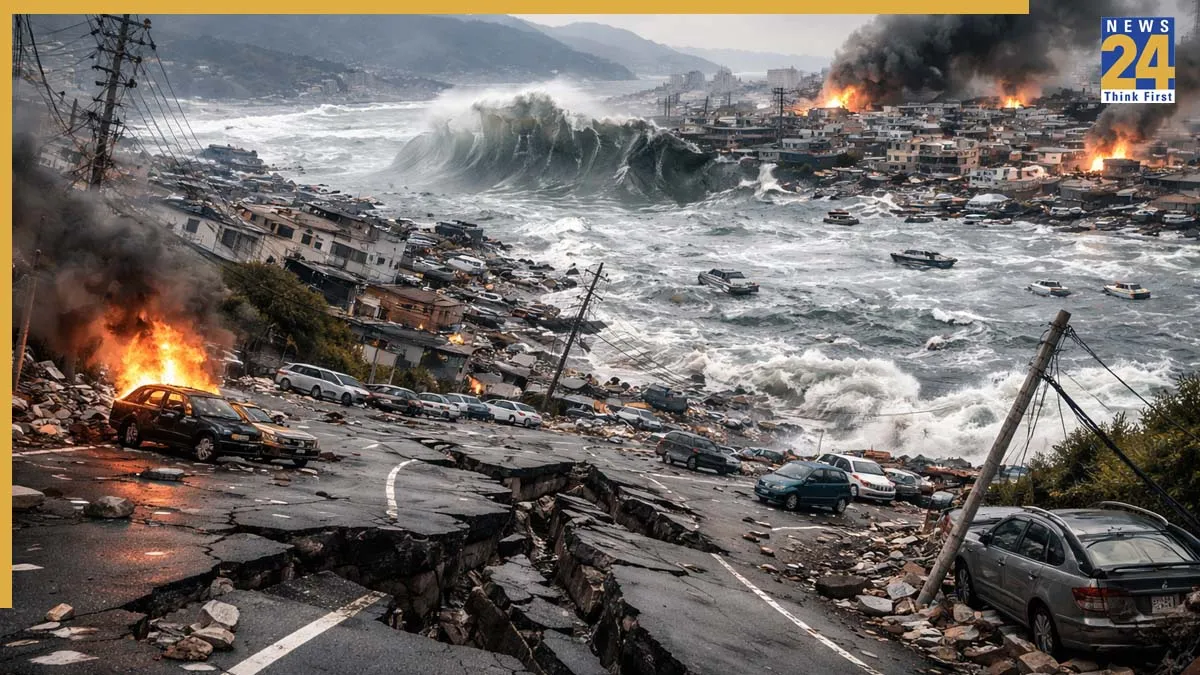
Japan remains one of the most disaster-prone countries in the world, facing constant natural threats due to its unique geographic location. Situated along the Pacific Ring of Fire, the country experiences frequent earthquakes, volcanic activity, and occasional tsunamis. In 2026, natural concerns in Japan continue to dominate headlines, as authorities and citizens remain vigilant against potential disasters.
Why Japan Faces Frequent Natural Disasters
Japan’s vulnerability to natural disasters is largely due to its position at the intersection of several tectonic plates. These include the Pacific Plate, Philippine Sea Plate, and Eurasian Plate. The movement of these plates causes seismic activity, resulting in frequent earthquakes of varying magnitudes.
Every year, Japan experiences thousands of small tremors, most of which go unnoticed by the public. However, the risk of a major earthquake always exists. This constant threat has shaped Japan’s infrastructure, policies, and daily life.
Recent Earthquake Activity
In recent months, Japan has reported several minor to moderate earthquakes. While these tremors have not caused major damage, they serve as reminders of the country’s ongoing seismic risks.
Cities like Tokyo and Osaka regularly conduct emergency drills to prepare residents for potential disasters. Authorities closely monitor seismic activity and issue alerts when necessary, ensuring that people can respond quickly in case of an emergency.
The memory of past disasters, such as the 2011 Tōhoku Earthquake and Tsunami, continues to influence how seriously these warnings are taken. That event caused widespread destruction and highlighted the devastating impact of natural disasters.
Government Preparedness and Response
The Government of Japan has invested heavily in disaster preparedness and risk management. Japan is widely recognized as a global leader in earthquake resilience.
Buildings in major cities are designed to withstand strong earthquakes using advanced engineering techniques. Flexible structures, shock absorbers, and strict building codes help minimize damage and save lives.
In addition, Japan has developed one of the most advanced early warning systems in the world. These systems can detect seismic waves and send alerts to smartphones, television broadcasts, and public announcement systems within seconds.
Emergency response teams are also highly trained and equipped to handle disasters efficiently. Regular drills in schools, offices, and communities ensure that citizens know what to do during emergencies.
Tsunami and Coastal Risks
Apart from earthquakes, Japan also faces the threat of tsunamis. Undersea earthquakes can trigger massive waves that travel بسرعة across the ocean and hit coastal areas with devastating force.
After the 2011 disaster, Japan significantly improved its tsunami defense systems. Coastal barriers, evacuation routes, and warning systems have been upgraded to reduce the impact of future events.
Despite these improvements, experts warn that the risk cannot be completely eliminated. Coastal communities remain particularly vulnerable, and continuous vigilance is required.
Volcanic Activity and Other Hazards
Japan is home to over 100 active volcanoes, including the iconic Mount Fuji. While most volcanoes are dormant, occasional eruptions can disrupt air travel, agriculture, and local communities.
In addition to earthquakes and volcanic activity, Japan also experiences typhoons, landslides, and flooding. Climate change is further intensifying some of these risks, leading to more extreme weather patterns.
Public Awareness and Community Role
One of Japan’s greatest strengths in dealing with natural disasters is its culture of preparedness. Citizens are educated from a young age about emergency procedures and safety measures.
Households often keep emergency kits with food, water, and medical supplies. Communities work together during crises, showing strong social cohesion and resilience.
Public awareness campaigns and regular training exercises help ensure that people remain prepared at all times.
Future Challenges
While Japan has made significant progress in disaster management, challenges remain. Aging infrastructure in some areas, increasing urban population, and the unpredictability of natural disasters pose ongoing risks.
Experts are also concerned about the possibility of a large-scale earthquake in regions like the Nankai Trough. Such an event could have severe economic and human consequences.
To address these challenges, Japan continues to invest in research, technology, and international cooperation.
Conclusion
Natural concerns in Japan are a constant reality, shaped by its geographic location and environmental conditions. From earthquakes and tsunamis to volcanic eruptions and typhoons, the risks are ever-present.
However, Japan’s commitment to preparedness, innovation, and community resilience sets it apart as a global example in disaster management. While the dangers cannot be completely avoided, the country’s proactive approach ensures that it remains ready to face whatever challenges nature may bring.













Leave a Reply