
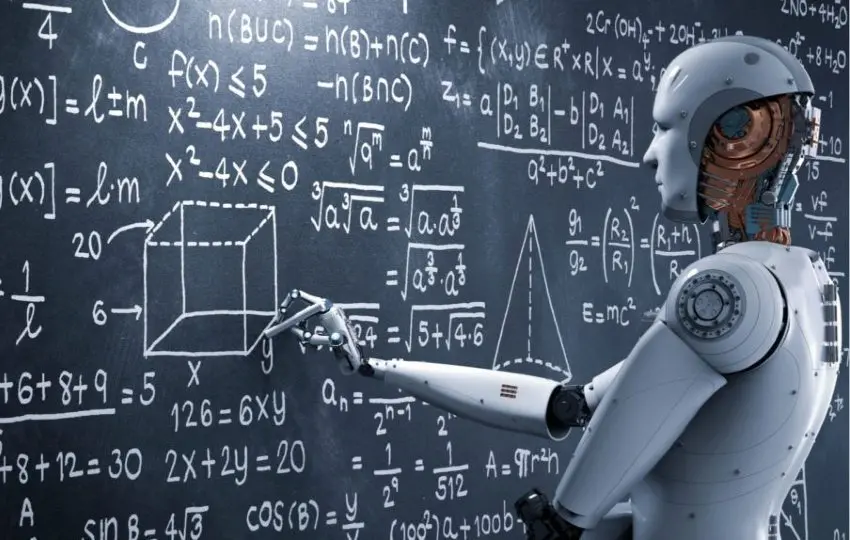
The rise of Artificial Intelligence is transforming nearly every industry, and education is one of the most affected fields. Artificial Intelligence in Education is no longer just a future concept; it is actively changing how students learn, how teachers teach, and how institutions operate. From smart classrooms to personalized learning systems, AI is reshaping the entire education ecosystem.
What is Artificial Intelligence in Education?
Artificial Intelligence in Education refers to the use of intelligent computer systems that can perform tasks such as learning, analyzing, and decision-making to improve the educational experience. These systems are designed to support students and teachers by making learning more efficient, personalized, and accessible.
AI is now used in schools, colleges, and online platforms to analyze student performance, recommend study materials, and provide real-time feedback.
Personalized Learning Experience
One of the biggest advantages of Artificial Intelligence in education is personalized learning. Every student has a different learning speed, understanding level, and academic strength. Traditional classrooms often cannot meet these individual needs.
AI solves this problem by:
- Tracking student progress
- Identifying weak areas
- Suggesting customized lessons and practice exercises
This allows students to learn at their own pace, which improves understanding and performance. Personalized learning is becoming one of the most important trends in modern education systems.
AI as a Virtual Teacher
Artificial Intelligence is also being used as a virtual teacher through chatbots and digital assistants. These systems can answer student questions, explain difficult concepts, and provide guidance anytime.
Platforms like Duolingo already use AI to teach languages in an interactive way. AI tutors are especially useful for students who do not have access to quality teachers or coaching centers. They provide 24/7 learning support, making education more flexible and accessible.
Smart Classrooms and Automation
Modern education is moving toward smart classrooms powered by Artificial Intelligence. AI helps reduce the workload of teachers by automating many tasks such as grading, attendance, and performance tracking.
AI systems can:
- Automatically grade exams and assignments
- Track attendance using digital systems
- Analyze student performance data
This allows teachers to focus more on teaching and mentoring students instead of spending time on repetitive administrative work.
Online Learning Revolution
Online learning platforms such as Coursera and Udemy are using Artificial Intelligence to improve education delivery. AI helps these platforms recommend relevant courses based on student interests and learning behavior.
AI also enhances online education by:
- Creating personalized learning paths
- Designing adaptive quizzes
- Improving engagement through smart recommendations
This has made education more flexible, allowing students to learn from anywhere in the world.
Benefits of Artificial Intelligence in Education
Artificial Intelligence offers several key benefits in education:
- Improved learning outcomes through personalized teaching methods
- Time-saving for teachers due to automation of tasks
- Increased accessibility for students in remote areas
- Continuous learning support through digital tools
These benefits make education more efficient and inclusive.
Challenges of AI in Education
Despite its advantages, Artificial Intelligence in education also presents several challenges:
- Data privacy concerns related to student information
- Over-reliance on technology by students
- High implementation costs for advanced AI systems
- Need for teacher training to effectively use AI tools
These challenges must be addressed to ensure balanced and effective use of AI in education.
Future of Artificial Intelligence in Education
The future of education will likely involve a combination of human teachers and Artificial Intelligence working together. AI will handle repetitive tasks, while teachers will focus on creativity, emotional support, and critical thinking development.
In the coming years, we may see:
- Fully AI-powered smart classrooms
- Virtual reality-based learning environments
- Real-time translation in global classrooms
- Personalized AI tutors for every student
Conclusion
Artificial Intelligence is revolutionizing education by making learning smarter, faster, and more personalized. While challenges exist, the benefits are significant. With proper implementation, AI has the potential to make quality education accessible to everyone, regardless of location or background.
The future of education will not be defined by traditional methods alone but by the intelligent integration of technology and human teaching.










Leave a Reply