
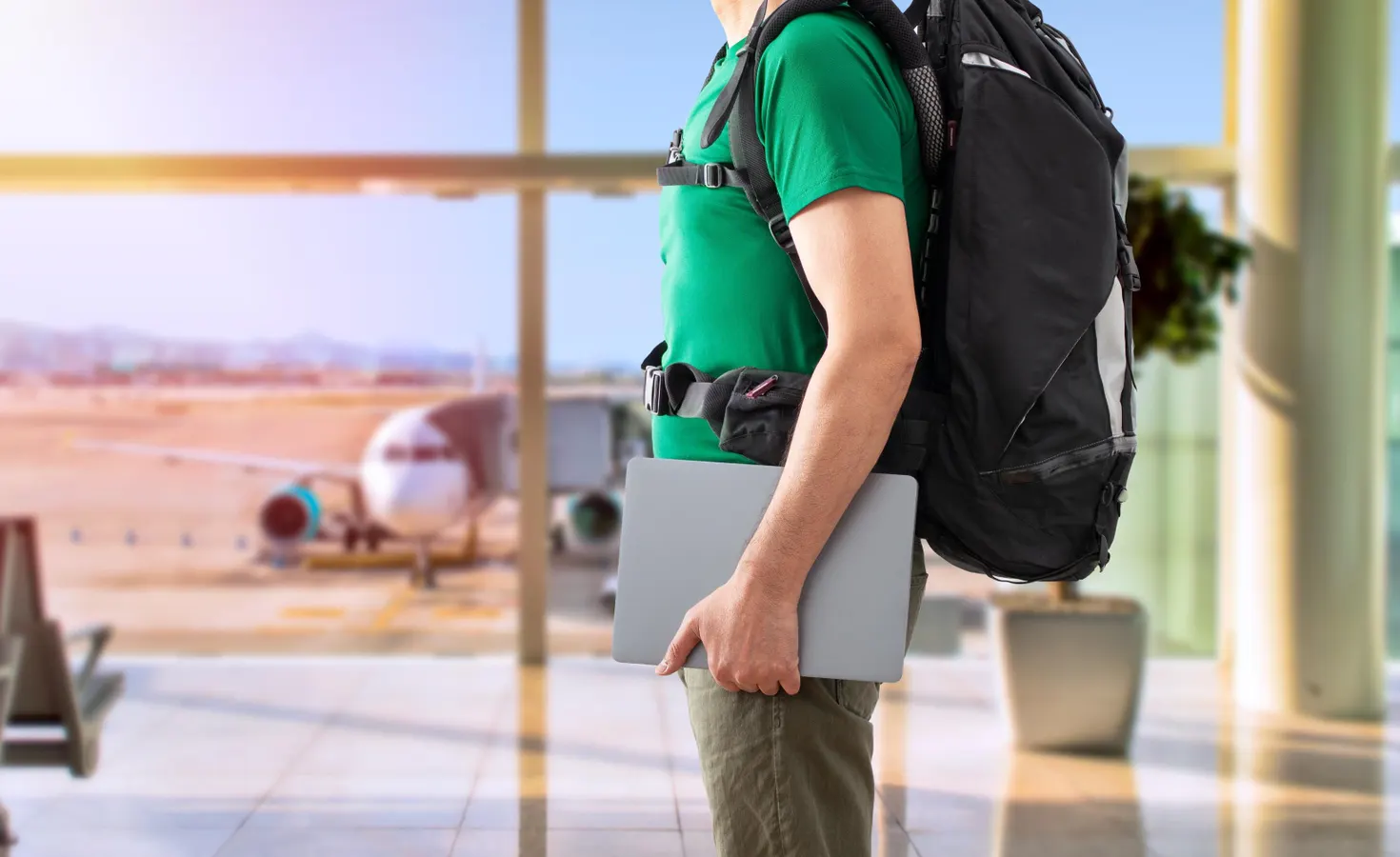
The way people work has changed dramatically over the past few years. What started as a temporary solution during global disruptions has evolved into a long-term shift in workplace culture. In 2026, remote work and the digital nomad lifestyle have become one of the most significant global trends, influencing businesses, employees, and economies around the world.
Remote work allows employees to perform their jobs from locations outside traditional offices. With the help of high-speed internet, cloud computing, video conferencing platforms, and collaboration tools, people can work from home, coworking spaces, cafes, or even different countries. This flexibility has transformed the modern workplace and created new opportunities for professionals across various industries.
One of the main reasons remote work has gained popularity is the improved work-life balance it offers. Employees no longer need to spend hours commuting to and from the office. The time saved can be used for family, personal development, fitness, or hobbies. Many workers report feeling less stressed and more productive when they have greater control over their schedules and work environments.
Businesses have also discovered significant benefits from remote work. Companies can reduce expenses related to office space, utilities, and equipment. In addition, organizations can hire talent from anywhere in the world rather than being limited to candidates in a specific location. This access to a global talent pool helps businesses find highly skilled professionals and build more diverse teams.
The rise of remote work has contributed to the growth of the digital nomad lifestyle. Digital nomads are individuals who use technology to work remotely while traveling and living in different locations. They may spend a few months in one city before moving to another, combining professional responsibilities with the freedom to explore new cultures and experiences.
Popular destinations for digital nomads often include cities with affordable living costs, reliable internet connections, and vibrant communities. These locations attract freelancers, entrepreneurs, software developers, content creators, designers, and other professionals who can perform their jobs online. Many countries have even introduced special visas designed specifically for remote workers and digital nomads to encourage economic growth and tourism.
Technology plays a crucial role in making remote work possible. Video conferencing platforms allow teams to communicate instantly, while project management tools help organize tasks and monitor progress. Cloud-based storage systems ensure that files and documents can be accessed securely from anywhere in the world. Artificial Intelligence is also helping remote workers automate repetitive tasks, improve productivity, and manage workflows more efficiently.
The freelance economy has grown alongside the remote work trend. Millions of professionals now offer services online through freelance platforms and personal businesses. Skills such as writing, graphic design, programming, digital marketing, consulting, and virtual assistance are in high demand. This shift has created new income opportunities and given people greater independence in their careers.
However, remote work is not without challenges. Some employees experience feelings of isolation due to reduced face-to-face interaction with colleagues. Maintaining communication, collaboration, and company culture can be more difficult when teams are spread across multiple locations. Additionally, balancing personal life and professional responsibilities requires discipline and effective time management.
Cybersecurity has also become an important concern in the remote work era. Companies must ensure that sensitive information remains protected when employees access systems from different locations and devices. As a result, businesses are investing more in secure networks, employee training, and advanced security technologies.
Despite these challenges, the future of remote work appears strong. Many organizations have adopted hybrid work models, allowing employees to divide their time between home and the office. Others have become fully remote companies, proving that productivity and business success can thrive without traditional workplaces.
Experts predict that remote work will continue expanding as technology improves and workplace expectations evolve. Younger generations entering the workforce increasingly value flexibility, freedom, and work-life balance. Employers who offer remote opportunities may have a competitive advantage in attracting and retaining top talent.
In conclusion, remote work and the digital nomad lifestyle represent a major transformation in how people approach careers and employment. The trend offers flexibility, global opportunities, and improved quality of life for many professionals while helping businesses access talent from around the world. As technology continues to advance, remote work is likely to remain a defining feature of the modern workforce and one of the most influential trends of 2026.










Leave a Reply