Author: admin

  • How to Improve Your Communication Skills

    How to Improve Your Communication Skills

    Communication—it’s everywhere in life. At work, home, school, even online. And yet, many people struggle with it. Not because they can’t talk, but because they don’t always express themselves clearly or listen properly. Improving communication isn’t about being perfect at public speaking or having fancy words. It’s about clarity, confidence, and connection.

    1. Understand the Basics of Communication

    Communication isn’t just talking. It’s a combination of:

    • Verbal skills: The words you use and how you say them.
    • Non-verbal skills: Body language, eye contact, facial expressions, gestures.
    • Listening skills: Truly hearing what others say, not just waiting for your turn to talk.

    A lot of misunderstandings happen because people focus on talking more than listening. Improving communication means balancing all three.

    2. Practice Active Listenin

    Active listening is probably the most overlooked skill. It’s more than nodding—it’s fully engaging.

    • Make eye contact and avoid distractions.
    • Repeat or paraphrase what the other person said to show understanding.
    • Ask clarifying questions when needed.

    When people feel heard, the conversation flows better, and trust grows.

    3. Expand Your Vocabulary (But Don’t Overdo It)

    You don’t need to use complicated words to communicate effectively. The goal is clarity.

    • Learn new words gradually and use them naturally.
    • Avoid filler words like “um,” “like,” or “you know” too much—they distract from your message.
    • Keep sentences concise; long, tangled sentences confuse people.

    Good communication is about being understood, not sounding smart.

    4. Work on Your Tone and Body Language

    How you say something matters as much as what you say. Tone, pace, and gestures convey feelings.

    • Speak calmly and clearly.
    • Avoid crossing arms or fidgeting—open body language invites connection.
    • Match your tone to the situation; serious conversations need seriousness, casual chats can be lighter.

    Remember, your body often speaks louder than your words.

    5. Improve Emotional Intelligence

    Communication isn’t just technical—it’s emotional. Understanding your own emotions and the emotions of others improves interaction.

    • Notice how others react and adjust accordingly.
    • Stay calm during conflicts; emotional reactions often make communication worse.
    • Practice empathy—try to see the situation from the other person’s perspective.

    Emotional awareness builds connection and reduces misunderstandings.

    6. Practice Public Speaking and Conversation Skills

    Even if you’re not a speaker, practicing improves confidence.

    • Talk in front of a mirror or record yourself.
    • Join small group discussions or clubs like Toastmasters.
    • Start conversations with strangers in safe settings; small talk strengthens communication skills.

    Confidence makes your words more persuasive and clear.

    7. Ask for Feedbac

    Don’t be afraid to ask friends, colleagues, or mentors how you communicate.

    • “Did that make sense?”
    • “Was I clear?”
    • “How did I come across?”

    Feedback helps you notice habits you might not be aware of—like speaking too fast, interrupting, or not listening.

    Extra Tips

    • Avoid multitasking during conversations; it shows disinterest.
    • Use pauses effectively—they make your words more impactful.
    • Practice storytelling; it makes your message more relatable.
    • Keep improving—communication is a lifelong skill.

    Conclusion

    Improving communication skills isn’t about being perfect. It’s about listening, clarity, confidence, and emotional awareness. Small changes—like focusing on active listening, adjusting tone, or being aware of body language—make a huge difference.

    Better communication leads to stronger relationships, more opportunities, and less frustration in daily life. Start small, practice consistently, and soon you’ll notice conversations becoming easier, more meaningful, and more effective.


  • How to Build Meaningful Friendships

    How to Build Meaningful Friendships

    Friendship. It’s one of the most important parts of life, yet sometimes it feels tricky to find friends who truly matter. Many people have acquaintances or social connections, but meaningful friendships—the ones that uplift, support, and last—take effort, patience, and understanding. Building these relationships isn’t just about hanging out; it’s about connection, trust, and shared growth.

    1. Be Open and Approachable

    It sounds simple, but sometimes we forget. People are drawn to those who seem friendly, welcoming, and genuine. Smile, make eye contact, and show interest in others. Avoid putting up walls too soon; vulnerability is a key ingredient in deep friendships.

    Tip: Ask questions about the other person’s interests. Listening more than talking shows that you care.

    2. Show Genuine Interest

    Meaningful friendships are built on curiosity about each other’s lives. Remember small details, celebrate achievements, and support them during tough times. People notice when someone is sincerely interested—it makes them feel valued and understood.

    Example: Remembering a friend’s birthday, or asking about that big presentation they had—it goes a long way.

    3. Be Reliable and Trustworthy

    Trust is the foundation of any meaningful friendship. If you promise to be there, be there. If they share something personal, respect it. Consistency matters. Even small acts—checking in, returning calls, keeping promises—build reliability over time.

    Pro tip: Don’t gossip about mutual friends or share private details. Trust once broken is very hard to rebuild.

    4. Spend Quality Time Together

    Friendship grows when you share experiences. This doesn’t have to be grand—sometimes, simple things like walking, cooking together, or playing games can strengthen bonds. Quality matters more than quantity.

    Idea: Plan small activities or routines with friends that become shared memories. Coffee once a week, a movie night, or even a short hike can build closeness.

    5. Be Honest and Communicate

    Honesty is sometimes scary, but it’s essential. Say how you feel, gently express concerns, and listen when your friend shares theirs. Healthy friendships have room for open, respectful communication, even during disagreements.

    Tip: Use “I” statements to avoid sounding accusatory. For example, “I felt hurt when…” rather than “You always…”

    6. Support and Encourage Each Other

    Friends celebrate victories and comfort each other in failures. Offer encouragement, lend a hand when needed, and cheer for their success without jealousy. Friendship isn’t a competition—it’s a partnership.

    Small gestures: Send a supportive message before a big exam or work event, or just check in during stressful times.

    7. Accept Differences

    No two people are exactly alike. Differences in opinion, lifestyle, or personality are normal. Respect boundaries, accept quirks, and focus on shared values rather than trying to change each other.

    Remember: It’s okay to have friends with different hobbies or viewpoints—diversity can enrich the friendship.

    Extra Tips

    • Practice gratitude: let friends know you appreciate them.
    • Forgive small mistakes; nobody is perfect.
    • Be patient; strong friendships take time to grow.
    • Avoid toxic or one-sided relationships—friendship should be mutual.

    Conclusion

    Meaningful friendships don’t happen overnight. They require genuine interest, trust, communication, and shared experiences. The reward? Friends who lift you up, understand you, and walk with you through life’s ups and downs.

    Investing in friendships is investing in your happiness, mental health, and sense of belonging. So take small steps—reach out, listen, and be present. Real connections are built on time, care, and authenticity.

  • How to Deal with Negative People

    How to Deal with Negative People

    We all meet them—people who drain your energy, complain constantly, or see the worst in every situation. It can be exhausting. Negative people can affect your mood, motivation, and even mental health if you’re around them too often. But dealing with them doesn’t have to be stressful. With the right strategies, you can protect your energy and stay positive.

    1. Recognize the Signs

    The first step is awareness. Negative people often:

    • Constantly complain or criticize.
    • Focus on problems rather than solutions.
    • Bring down group morale.
    • Avoid responsibility for their actions.

    Once you notice these patterns, you can take steps to protect yourself without getting pulled into their negativity.

    2. Set Boundaries

    Boundaries are key. You don’t have to absorb someone else’s negativity. Simple tips:

    • Limit time spent with them if possible.
    • Politely decline conversations that feel draining.
    • Don’t share your personal energy or problems unnecessarily.

    Remember, setting boundaries isn’t mean—it’s self-care.

    3. Don’t Take It Personally

    Negative people often project their own frustrations. Their words and behavior are usually about them, not you. Staying emotionally detached can prevent you from feeling hurt or stressed.

    Tip: Imagine a shield around you—it keeps their negativity from affecting your mood.

    4. Respond, Don’t React

    Reacting impulsively often escalates tension. Instead:

    • Pause before replying.
    • Stay calm and neutral.
    • Use phrases like, “I hear you,” without agreeing or engaging in negativity.

    Your goal is to maintain your peace, not to win an argument.

    5. Encourage Positivity

    If you must interact frequently (family, coworkers), gently encourage positivity. Small ways:

    • Compliment when appropriate.
    • Suggest solutions rather than dwelling on problems.
    • Share uplifting stories or ideas.

    Sometimes, positivity can influence them—but don’t expect a complete change.

    6. Protect Your Energy

    Your mental health is important. Strategies to recharge:

    • Spend time with supportive friends or family.
    • Engage in activities that make you happy—exercise, hobbies, meditation.
    • Practice mindfulness to avoid carrying their negativity with you.

    Think of it as a mental detox—you can’t control their energy, but you can protect yours.

    7. Know When to Distance Yourself

    In some cases, you may need to distance yourself entirely. Toxic negativity can affect your health if constant exposure occurs. Ending or limiting contact is sometimes the healthiest choice, even if it feels uncomfortable.

    Extra Tips

    • Avoid gossip—it feeds negativity.
    • Keep a journal to process feelings rather than venting to the negative person.
    • Use humor lightly; it can diffuse tension without conflict.
    • Remember, it’s okay to say “no” or “I need a break.”

    Conclusion

    Dealing with negative people isn’t about changing them—it’s about protecting your own well-being. Recognize patterns, set boundaries, respond calmly, and prioritize your mental health. With practice, you’ll stay positive even in the presence of negativity.

    Your peace is more important than arguing with someone who thrives on complaint. Focus on your own mindset, and don’t let negativity steal your energy.

  • The Power of Positive Thinking

    The Power of Positive Thinking

    We’ve all heard the saying, “Think positive!” But is it really that simple? Can just changing your thoughts actually change your life? Turns out, yes, positive thinking has a profound effect on mental health, relationships, and even physical well-being. It doesn’t mean ignoring problems or pretending everything is perfect. It’s about approaching life with hope, resilience, and a constructive mindset.

    1. Understanding Positive Thinkin

    Positive thinking isn’t about being naïve. It’s about training your mind to focus on solutions rather than problems. It’s about looking for silver linings even in tough situations and believing that challenges can be overcome.

    Studies show that people who maintain a positive outlook often experience lower stress levels, stronger immune systems, and better overall health. The mind and body are connected, and optimism can literally improve your quality of life.

    2. The Science Behind It

    Positive thinking affects your brain chemistry. Optimistic thoughts increase dopamine and serotonin, the “feel-good” chemicals in the brain. These chemicals improve mood, enhance focus, and even help with problem-solving.

    Moreover, positive thinkers tend to cope better with adversity. Instead of giving up when things go wrong, they look for ways to adapt and grow. Over time, this mindset strengthens mental resilience.

    3. Benefits of Positive Thinking

    • Improved Mental Health: Reduces anxiety, depression, and negative self-talk.
    • Stronger Relationships: Optimism attracts people; positive people are easier to connect with.
    • Better Stress Management: A hopeful mindset helps you stay calm during challenges.
    • Enhanced Productivity: Positive thoughts boost focus, creativity, and motivation.

    Even small shifts in thinking—like reframing “I can’t” into “I’ll try”—can make a noticeable difference.

    4. How to Practice Positive Thinki

    Building a positive mindset takes effort and consistency. Here are some practical strategies:

    • Gratitude Journaling: Write down things you’re grateful for daily. It shifts focus from what’s wrong to what’s good.
    • Affirmations: Repeat positive statements like, “I am capable,” or “I can handle challenges.”
    • Surround Yourself with Positivity: Spend time with uplifting people, read inspiring books, or listen to motivational podcasts.
    • Reframe Challenges: Look at setbacks as opportunities to learn and grow, not as failures.
    • Mindfulness: Being present reduces negative overthinking about the past or future.

    Remember, it’s not about perfection. It’s about progress, one thought at a time.

    5. Avoid the Pitfalls

    Positive thinking shouldn’t mean ignoring problems. It’s easy to fall into toxic positivity, where you suppress emotions or feel guilty for feeling down. The key is balance: acknowledge your feelings, then consciously choose hope and constructive thinking.

    Conclusion

    The power of positive thinking lies in its ability to reshape your mind, improve your health, and enhance your life experiences. It’s a mindset that helps you navigate challenges, connect with others, and live more fully.

    Start small. Focus on what’s good, reframe setbacks, and cultivate hope. Over time, positivity becomes a habit, and your thoughts begin to shape your reality in meaningful ways.

    Remember: it’s not just about thinking happy thoughts—it’s about choosing perspective, resilience, and growth, every single day.

  • 5 Foods That Boost Brain Power

    5 Foods That Boost Brain Power

    We all want a sharp mind, right? Whether it’s for work, studies, or just remembering where we put our keys, keeping our brain healthy is essential. And believe it or not, what we eat has a huge impact on how well our brain works. Certain foods can boost memory, focus, and mental energy, while others might slow you down. Here’s a list of 5 foods that can truly help your brain power.

    1. Fatty Fish

    Fish like salmon, mackerel, and sardines are packed with omega-3 fatty acids, which are essential for brain health. Omega-3s help build brain cells and improve communication between them. Studies show people who eat fatty fish regularly tend to have better memory and slower cognitive decline as they age.

    Tip: Try to include fish in your meals at least twice a week. Don’t like fish? Walnuts or flaxseeds can provide some omega-3 too.

    2. Blueberries

    Blueberries aren’t just tasty—they’re brain-boosting powerhouses. They contain antioxidants called flavonoids, which reduce inflammation and oxidative stress in the brain. This helps improve memory and delay brain aging. Some studies even suggest blueberries can help with learning and recall.

    Quick idea: Add a handful of blueberries to your morning oatmeal, smoothie, or even eat them as a snack.

    3. Dark Chocolate

    Yes, chocolate can actually be good for your brain—if it’s dark chocolate with at least 70% cocoa. It contains flavonoids, caffeine, and antioxidants that improve blood flow to the brain, enhance focus, and boost mood. But remember, moderation is key—too much sugar can negate the benefits.

    Fun tip: A small square after lunch can give you a mental pick-me-up without overdoing sugar.

    4. Nuts and Seeds

    Almonds, walnuts, pumpkin seeds, and sunflower seeds are rich in vitamins, healthy fats, and antioxidants. They help protect brain cells and support mental performance. Walnuts, in particular, are often called “brain food” because of their shape and high omega-3 content.

    Tip: Keep a small jar of mixed nuts at your desk. Easy to grab, healthy, and keeps your brain fueled.

    5. Leafy Green Vegetables

    Spinach, kale, and broccoli are packed with vitamins like K, folate, and antioxidants that support brain health. Studies suggest that regular consumption of leafy greens may slow cognitive decline and improve memory in older adults.

    Simple idea: Add spinach to your omelets, make a kale smoothie, or toss some broccoli into stir-fries.

    Extra Tips to Maximize Brain Power

    • Stay hydrated; dehydration can make you feel foggy.
    • Avoid excessive processed foods and sugar—they can hurt brain performance.
    • Combine brain foods with exercise—physical activity helps nutrients reach your brain.
    • Sleep well; even the best foods won’t help if your brain is tired.

    Conclusion

    Feeding your brain is just as important as feeding your body. Including fatty fish, blueberries, dark chocolate, nuts, and leafy greens in your diet can help improve memory, focus, and overall cognitive health. These foods aren’t just healthy—they’re easy to add to your daily meals.

    Small, consistent changes can make a big difference. Start today, and your brain will thank you tomorrow.

  • Tips to Improve Your Posture and Reduce Back Pain

    Tips to Improve Your Posture and Reduce Back Pain

    Back pain. It’s one of those things most of us experience at some point in life. Long hours at a desk, bending awkwardly, carrying heavy bags, even sleeping in the wrong position—it all adds up. And the root of a lot of this? Poor posture. Good posture isn’t just about standing tall and looking confident. It affects your spine, muscles, energy levels, and even mood. Luckily, small changes can make a huge difference.

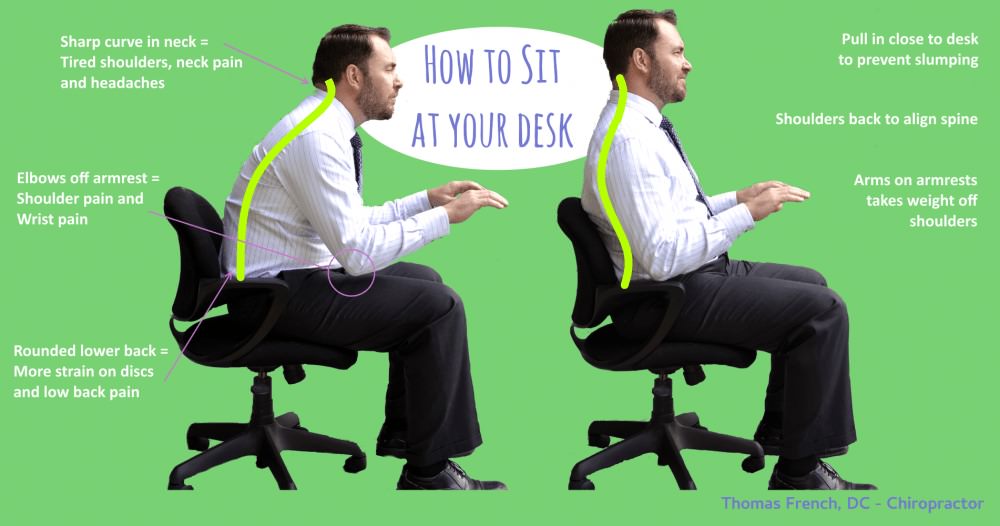
    1. Be Mindful of Your Sitting Position

    Sitting incorrectly for hours is one of the biggest causes of back pain. Simple tips:

    • Keep your feet flat on the floor.
    • Knees should be at a 90-degree angle.
    • Avoid slumping or leaning forward.
    • Use a chair with good lumbar support if possible.

    Even small adjustments while sitting can prevent strain and reduce discomfort over time.

    2. Strengthen Your Cor

    Your core muscles—abs, lower back, and hips—support your spine. Weak muscles often lead to slouching and pain. Simple exercises like planks, bridges, or even gentle yoga can build core strength. Strong core = better posture = less back pain.

    3. Stretch Regularly

    Tight muscles pull your spine out of alignment. Stretching your chest, shoulders, hamstrings, and lower back helps release tension. Try to take short stretch breaks during work, especially if sitting for long periods. Even 5 minutes can make a difference.

    4. Watch Your Standing Posture

    Standing with slouched shoulders or leaning on one leg puts uneven pressure on your spine. Tips:

    • Stand tall, ears over shoulders.
    • Engage your core slightly.
    • Distribute weight evenly on both feet.

    It feels unnatural at first, but with practice, it becomes second nature.

    5. Lift Objects Properly

    Many back injuries happen while lifting. Remember:

    • Bend at your knees, not your waist.
    • Keep the object close to your body.
    • Avoid twisting while lifting.

    These simple techniques protect your back from unnecessary strain.

    6. Adjust Your Workspace

    Work desks and computers are major culprits of poor posture.

    • Monitor at eye level.
    • Keep keyboard and mouse within easy reach.
    • Consider a standing desk or alternate sitting/standing.

    Even small tweaks in your workspace can reduce tension in your neck and back.

    7. Sleep in a Spine-Friendly Position

    Your mattress and sleeping posture matter.

    • Avoid sleeping on your stomach.
    • Use a pillow that keeps your neck aligned.
    • Side sleeping with a pillow between your knees helps keep the spine neutral.

    A good night’s sleep is critical for back recovery.

    8. Take Breaks and Move

    Sitting or standing in the same position for hours strains muscles and joints. Set a timer to get up, walk, or stretch every hour. Movement keeps your back flexible and reduces stiffness.

    9. Wear Supportive Footwea

    High heels or unsupportive shoes can affect your posture and lead to back pain. Choose comfortable shoes with good arch support, especially if you stand or walk a lot.

    10. Listen to Your Body

    Back pain is your body’s way of telling you something’s off. Don’t ignore chronic pain. Gentle adjustments, stretching, and strengthening help, but persistent pain may require consulting a physiotherapist or doctor.

    Extra Tips

    • Stay hydrated; dehydration can make muscles tighter.
    • Maintain a healthy weight—less strain on your back.
    • Practice mindful posture checks during the day.

    Conclusion

    Improving posture and reducing back pain isn’t about quick fixes—it’s about consistency. Simple habits like sitting correctly, strengthening your core, stretching, adjusting your workspace, and moving regularly can drastically reduce discomfort over time. Your spine supports you every day; treat it well, and it will serve you for years to come.

  • Why You Should Take Regular Digital Detox

    Why You Should Take Regular Digital Detox

    Smartphones, laptops, social media, emails…our lives are connected 24/7. And sure, technology makes life easier—information at your fingertips, instant communication, endless entertainment. But there’s a catch. Too much screen time can be stressful, exhausting, and even harmful for your mind and body. That’s where a digital detox comes in—a conscious break from screens to recharge yourself.

    1. Reduces Stress and Anxiety

    Scrolling through news, notifications, or social media can increase stress. Endless comparisons, negative headlines, or work emails piling up—it’s overwhelming. Taking a break from screens gives your brain a chance to relax, lowers anxiety, and helps you feel calmer.

    2. Improves Focus and Productivity

    Ever notice how quickly you get distracted by notifications? Even small pings can interrupt your workflow and make concentration difficult. A digital detox can help you regain focus, think more clearly, and get tasks done faster. It’s amazing how much you can accomplish when your attention isn’t constantly pulled in different directions.

    3. Better Sleep Quality

    The blue light from screens interferes with melatonin—the hormone that regulates sleep. Late-night scrolling can make it harder to fall asleep, or reduce sleep quality. By stepping away from devices, especially before bedtime, your body naturally winds down, helping you sleep deeper and wake up refreshed.

    4. Enhances Real-Life Relationships

    Screens often steal time from face-to-face interactions. Family dinners, coffee with friends, or casual chats can be overshadowed by checking phones. Taking a break from technology helps you be present, improving communication and connection with the people who matter.

    5. Boosts Creativity and Mindfulness

    Constant notifications and content consumption can clutter your mind. A digital detox encourages you to think independently, reflect, and engage in creative activities—reading, writing, painting, or even just thinking. Being offline helps your brain wander in ways that are often more fulfilling than scrolling endlessly.

    6. Encourages Physical Activity

    Too much screen time often means sitting for hours. Taking breaks from digital devices naturally leads to moving your body—walking, stretching, exercising—which is beneficial for both physical and mental health.

    7. Builds Self-Discipline

    It’s easy to lose track of time on screens, but a digital detox teaches self-control and awareness. You learn to consciously choose when to use technology and when to disconnect. Over time, this builds healthier habits around devices.

    How to Do a Digital Detox

    • Start small: Even 1–2 hours without screens each day can make a difference.
    • Set boundaries: No phones at meals, or no work emails after 7 PM.
    • Try a weekend detox: Take a full day or weekend offline—no social media, emails, or unnecessary browsing.
    • Engage in offline activities: Read, walk, cook, or spend time with loved ones.
    • Inform others: Let friends or colleagues know you’re offline so they don’t expect instant responses.

    Extra Tips

    • Keep a notebook or journal instead of scrolling when bored.
    • Turn off non-essential notifications.
    • Use technology intentionally—tools, apps, or work only when necessary, not just out of habit.

    Conclusion

    Technology is a tool, not a lifestyle. Regular digital detoxes reduce stress, improve sleep, enhance focus, and boost creativity, while helping you reconnect with yourself and others. Even short breaks can have a surprisingly positive impact.

    Remember: being constantly “on” doesn’t mean being productive or happy. Taking time to unplug is not laziness—it’s self-care. Your mind, body, and relationships will thank you.

  • How to Manage Stress Effectively

    How to Manage Stress Effectively

    Stress. We all feel it—sometimes it’s a mild headache, sometimes it feels like your chest is tight and your mind won’t stop racing. Life is full of pressures—work, school, relationships, bills. Stress isn’t always bad; a little stress can push you to meet deadlines or solve problems. But chronic stress? That’s when it becomes harmful. It affects your mental health, physical health, and overall well-being. Learning how to manage stress effectively is not just a luxury—it’s necessary.


    1. Identify Your Stress Triggers

    Before you can manage stress, you need to know what causes it. Keep a small journal for a week or two and note when you feel stressed and why. Common triggers: work deadlines, conflicts with family or friends, financial worries, lack of sleep. Recognizing patterns is the first step toward change.


    2. Practice Deep Breathing

    When stress hits, your body goes into fight-or-flight mode. Heart races, muscles tense, thoughts spiral. Deep breathing calms your nervous system. Try inhaling for 4 counts, holding 4, exhaling 6 counts. Repeat a few times. Simple, but surprisingly effective.


    3. Exercise Regularly

    Exercise isn’t just for fitness—it’s a stress-reliever. Physical activity releases endorphins, which boost mood and reduce anxiety. Even a 20-minute walk outdoors can make a noticeable difference. Find something you enjoy—running, yoga, dancing, or even stretching.


    4. Prioritize Sleep

    Lack of sleep makes stress worse, and stress makes sleep worse—it’s a vicious cycle. Aim for 7–9 hours per night. Create a bedtime routine: dim lights, avoid screens 30 minutes before sleep, and keep your room cool and quiet.


    5. Practice Mindfulness and Meditation

    Mindfulness means focusing on the present moment, instead of worrying about the past or future. Meditation, even 5–10 minutes a day, can reduce stress and improve clarity. Apps, guided videos, or just sitting quietly and noticing your breath works.


    6. Limit Caffeine and Sugar

    Too much caffeine can make you jittery and anxious. Excess sugar can lead to energy crashes and mood swings. Moderation helps your body handle stress better. Swap sugary drinks for water or herbal teas whenever possible.


    7. Connect With Others

    Talking about stress helps lighten the load. Friends, family, or support groups can provide perspective and comfort. Sometimes just being heard is enough to calm your mind.


    8. Break Tasks Into Smaller Steps

    Big projects can feel overwhelming and increase stress. Break tasks into smaller, manageable chunks and tackle them one by one. Checklists or planners help you see progress and reduce anxiety.


    9. Engage in Relaxing Activities

    Find activities that relax you—reading, listening to music, gardening, drawing, cooking. Regularly making time for hobbies helps your mind reset. Even 15–20 minutes a day can make a difference.


    10. Seek Professional Help if Needed

    Sometimes stress becomes unmanageable. Talking to a counselor, therapist, or coach is not a sign of weakness. Professionals can help you develop coping strategies tailored to your needs.


    Extra Tips

    • Laugh more—laughter really is good medicine.
    • Practice gratitude; focusing on positives reduces stress.
    • Limit negative news or social media scrolling when feeling overwhelmed.
    • Try progressive muscle relaxation—tensing and relaxing muscles one at a time can release tension.

    Conclusion

    Stress is a part of life, but it doesn’t have to control you. Identifying triggers, practicing mindfulness, exercising, connecting with others, and taking care of your body are all steps toward managing stress effectively. The key is consistency—not perfection. Start small, try one or two techniques, and gradually build your stress-management toolkit.

    Remember: managing stress isn’t about avoiding life’s challenges—it’s about facing them with a calm, clear, and resilient mind.

  • Best Morning Habits for a Productive Day

    Best Morning Habits for a Productive Day

    Mornings. They can be magical—or stressful. Some people wake up and feel ready to conquer the world. Others hit snooze multiple times, rush through breakfast, and start the day already behind. The truth is, how you start your morning often sets the tone for the rest of the day. Small habits in the morning can make a huge difference in productivity, focus, and mood.

    Here’s a guide to the best morning habits that can help anyone start strong.


    1. Wake Up at a Consistent Time

    Our bodies thrive on routine. Waking up at the same time every day—even weekends—regulates your internal clock, improves sleep quality, and makes mornings less groggy. Don’t fight your natural rhythm too much; find a time that works for you.


    2. Hydrate Immediately

    After hours of sleep, your body is dehydrated. Drinking a glass of water first thing wakes up your metabolism, clears your mind, and even boosts energy. You can add a slice of lemon if you like—it’s refreshing.


    3. Avoid the Phone at First

    It’s tempting to scroll through emails, messages, or social media. But starting your day reacting to notifications puts you in a stress mode. Give yourself at least 30–60 minutes of screen-free time to focus on yourself first.


    4. Move Your Body

    Exercise in the morning—stretching, yoga, a short walk, or full workouts—activates your mind and body. Even 10–15 minutes can release endorphins, reduce stress, and make you feel energized. Movement doesn’t need to be intense; consistency is what matters.


    5. Eat a Healthy Breakfast

    Fuel your brain. Skipping breakfast or eating sugary foods leads to crashes mid-morning. Focus on protein, whole grains, and fruits. Something like oatmeal with nuts, eggs with vegetables, or yogurt with berries is simple but effective.


    6. Practice Mindfulness

    Meditation, deep breathing, or journaling in the morning helps you set intentions. Even 5 minutes of mindful breathing reduces stress and improves focus for the entire day. Journaling a few lines about gratitude or your goals can make a surprisingly big difference.


    7. Plan Your Day

    Take a moment to review your tasks. Prioritize 2–3 important things—don’t try to do everything at once. Breaking down your day prevents overwhelm and keeps you productive. A simple checklist or planner works wonders.


    8. Take a Cold or Warm Shower

    Cold showers wake you up quickly, increase alertness, and improve circulation. Warm showers help relax muscles and improve blood flow. Either way, a morning shower refreshes the body and mind.


    9. Listen to Something Inspiring

    Podcasts, audiobooks, or music can set a positive tone. Hearing motivational content while getting ready or during breakfast can shift your mindset and increase drive.


    10. Dress for Success

    Even if you’re working from home, getting out of pajamas and wearing something you feel good in can boost confidence and productivity. Dressing with intention signals your brain that it’s time to focus.


    Extra Tips

    • Avoid multitasking right away; mornings are best for clarity.
    • Open windows for fresh air and sunlight—it helps regulate your circadian rhythm.
    • Limit caffeine to the first hour after waking, if needed.

    Conclusion

    Productive days start with intentional mornings. By waking up consistently, hydrating, moving your body, eating well, practicing mindfulness, and planning your day, you create momentum that lasts. It’s not about perfection—skip a habit? Fine. But small, consistent steps lead to big results.

    Your morning is your foundation. Build it wisely, and the rest of the day follows naturally.

  • 10 Ways to Stay Motivated to Work Out

    10 Ways to Stay Motivated to Work Out

    We all know exercise is good for us—stronger muscles, better heart health, mood boost, more energy. But staying motivated? That’s the tricky part. Some days, you’re pumped. Other days, just the thought of working out makes you groan. The key is finding what keeps you going, not forcing yourself through routines you hate. Here are 10 ways to stay motivated to work out, even when it’s tough.


    1. Set Clear, Realistic Goals

    Big goals are great, but too big can feel overwhelming. Instead, set smaller, achievable targets. For example:

    • “I’ll work out 20 minutes a day for a week.”
    • “I’ll do 3 strength training sessions this week.”
      Hitting small goals creates momentum and keeps you motivated.

    2. Make a Routine

    Consistency beats intensity when it comes to motivation. Choose a time that fits your schedule—morning, lunch break, or evening. Treat it like a meeting with yourself. Eventually, it becomes a habit rather than a chore.


    3. Find Workouts You Enjoy

    Not everyone loves running or lifting weights. Try dancing, yoga, cycling, HIIT, or even hiking. Enjoyable workouts feel less like work, more like fun. If you hate it, you won’t stick with it.


    4. Mix It Up

    Doing the same routine every day can get boring fast. Change exercises, try new classes, or explore outdoor workouts. Variety keeps your mind engaged and your body challenged.


    5. Track Your Progress

    Seeing improvement is motivating. Keep a journal, take photos, or use fitness apps. Even small changes—like lifting heavier, running longer, or feeling more energetic—boost motivation.


    6. Workout With Others

    Friends, family, or online workout communities make exercise social and fun. Accountability helps too. When someone is waiting for you, skipping is less tempting.


    7. Reward Yourself

    Rewards make habits stick. After hitting a goal, treat yourself—but wisely. Healthy snacks, a massage, or a new workout outfit can reinforce motivation without derailing progress.


    8. Visualize Your Success

    Imagine how you’ll feel after a good workout—energized, accomplished, proud. Visualization can push you to start, even when you feel lazy. Your mind is surprisingly powerful.


    9. Focus on How You Feel, Not Just Looks

    Sometimes we obsess over weight or appearance. Instead, notice increased energy, reduced stress, better sleep, and improved mood. Feeling good is motivating in itself.


    10. Be Flexible and Kind to Yourself

    Life happens—work, kids, illness, stress. Missing a day or week isn’t failure. Just get back on track without guilt. Motivation is about long-term consistency, not perfection.


    Extra Tips

    • Listen to energizing music—it really works.
    • Break workouts into short sessions if needed—10 minutes is better than nothing.
    • Celebrate small victories, like completing a tough set or going out for a walk when you didn’t feel like it.

    Conclusion

    Staying motivated to work out isn’t about sheer willpower. It’s about finding routines you love, setting achievable goals, tracking progress, and being kind to yourself. Motivation comes in waves, and that’s okay. Use these 10 strategies to make exercise part of your life, not just a temporary phase.

    Remember: the hardest part is often starting. Once you begin, momentum builds—and your body and mind will thank you.