Author: admin

  • Best Websites to Learn Coding for Free

    Best Websites to Learn Coding for Free

    Coding. It’s no longer just for computer scientists. From building apps to automating tasks, learning to code is becoming an essential skill in today’s world. But getting started can feel overwhelming, especially if you’re on a budget. Luckily, there are tons of websites that let you learn coding for free, without expensive courses or textbooks. The key is knowing which platforms actually provide value and structured learning. Here’s an in-depth look at some of the best websites to learn coding for free and how they can help beginners and even intermediate learners.

    1. Codecademy

    Codecademy is one of the most popular platforms for beginners. It offers interactive lessons in multiple programming languages like Python, JavaScript, HTML/CSS, SQL, and more.

    What’s great about Codecademy is its hands-on approach. Instead of just reading theory, you’re writing code directly in your browser. This practical experience is crucial because coding is learned by doing, not just watching videos.

    The free version includes basic courses that are more than enough to get started. However, if you want projects, quizzes, or certificates, there’s a paid “Pro” plan. But even the free content can help you build a solid foundation.

    2. freeCodeCamp

    freeCodeCamp is a treasure for self-learners. It’s completely free, offers structured curricula, and has a huge community. You can learn web development, data structures, algorithms, JavaScript, React, Python, and more.

    The platform emphasizes hands-on projects. After completing lessons, you work on coding projects that simulate real-world scenarios. These projects are perfect for your portfolio—something employers or colleges often look for.

    Another big advantage is the active community forum. If you get stuck, other learners or mentors are ready to help. This sense of community can keep motivation high, especially when learning alone at home.

    3. W3Schools

    If you want a simple and beginner-friendly resource, W3Schools is hard to beat. It’s especially good for web development, covering HTML, CSS, JavaScript, PHP, SQL, and more.

    What makes W3Schools different is its simplicity. Each topic is broken into small, digestible sections, with examples that you can edit and test immediately. The “Try It Yourself” feature lets you experiment with code directly on the website, reinforcing learning.

    While it’s not a complete coding bootcamp, it’s great for reference and quick practice. Many coders use it as a companion resource alongside other platforms.

    4. The Odin Project

    The Odin Project is perfect for those serious about becoming web developers. It’s a free, open-source curriculum that teaches full-stack web development.

    What sets it apart is its project-based approach. You learn HTML, CSS, JavaScript, Git, Node.js, and databases by building real projects like personal websites, to-do apps, and full-stack applications. It also emphasizes soft skills like problem-solving, collaboration, and project management—skills employers love.

    The Odin Project also encourages self-directed learning. While that might feel challenging at first, it builds independence and prepares you for the real-world coding environment.

    5. Khan Academy

    Most people know Khan Academy for math or science, but it also has excellent coding tutorials. You can learn JavaScript, HTML/CSS, and even animation basics.

    Khan Academy’s approach is very beginner-friendly. Lessons are interactive, and there are step-by-step exercises with instant feedback. It’s particularly good for younger learners or absolute beginners who want to start with simple, visual coding exercises.

    Plus, it’s completely free, with no hidden fees. The platform also encourages creativity, allowing you to create animations, games, and interactive stories using your coding skills.

    6. Coursera (Free Courses)

    Coursera is famous for its university-backed courses. While many are paid, there are free options available. Universities like Stanford, University of London, and University of Michigan offer coding courses you can audit for free.

    Topics include Python programming, web development, data science, and algorithms. Courses often come with video lectures, quizzes, and hands-on projects. Auditing a course allows you to access all the learning material without paying, though certificates require payment.

    The academic approach of Coursera is helpful if you prefer structured lessons and assignments like a real college course. It’s a bit more formal compared to platforms like freeCodeCamp, but it’s a great option for deep learning.

    7. edX (Free Courses)

    edX is another platform offering university-level courses, many of which are free to audit. You can learn Python, Java, C++, SQL, and more.

    Like Coursera, edX courses include video lectures, readings, exercises, and sometimes community discussions. They’re perfect for learners who want a structured and credible curriculum. You can always upgrade to a verified certificate later, but the free content alone is excellent for skill-building.

    8. SoloLearn

    SoloLearn is designed for beginners who want bite-sized lessons and learning on the go. It’s available on both web and mobile, making it perfect for learning during commutes or short breaks.

    It offers courses in Python, JavaScript, Java, C++, HTML, CSS, and SQL. Each lesson is interactive and followed by quizzes. SoloLearn also has a community where you can ask questions, share code, and participate in challenges.

    Its gamified approach—earning points, badges, and competing with others—keeps motivation high. For beginners, SoloLearn is a fun, engaging way to build foundational coding skills.

    9. GitHub and Open-Source Projects

    While not a traditional learning platform, GitHub is an invaluable resource for coders. You can explore open-source projects, read other people’s code, and contribute to projects.

    Working on real projects helps you understand coding practices, collaboration, and version control. Even if you’re new, small contributions like fixing bugs or improving documentation give practical experience. Plus, showcasing contributions on your resume or portfolio impresses potential employers.

    10. YouTube Tutorials

    YouTube is often underestimated as a learning resource. Many experienced developers share free coding tutorials, step-by-step projects, and crash courses. Channels like “Programming with Mosh,” “Traversy Media,” and “freeCodeCamp.org” offer hours of free content.

    The advantage of YouTube is visual learning. Seeing someone write code in real-time helps beginners understand the thought process and workflow. Pair YouTube tutorials with practice to reinforce skills.

    Conclusion

    Learning coding for free has never been easier. From interactive platforms like Codecademy and SoloLearn to project-based curricula like The Odin Project and community-driven resources like freeCodeCamp, there’s a wealth of opportunities for beginners. Khan Academy, W3Schools, edX, Coursera, and YouTube offer structured, beginner-friendly content that can complement your learning.

    The key is consistency and practice. Pick one or two platforms, follow a structured path, and build projects to apply what you learn. Don’t just watch tutorials—write code, experiment, make mistakes, and solve problems. That’s how real learning happens.

    Remember, coding is a skill you develop over time. Free resources give you the tools—you bring the effort and curiosity. With dedication, you can become proficient in coding without spending a single dollar. The internet is your classroom, and your journey starts today.

  • How to Write a Perfect Resume with No Experience

    How to Write a Perfect Resume with No Experience

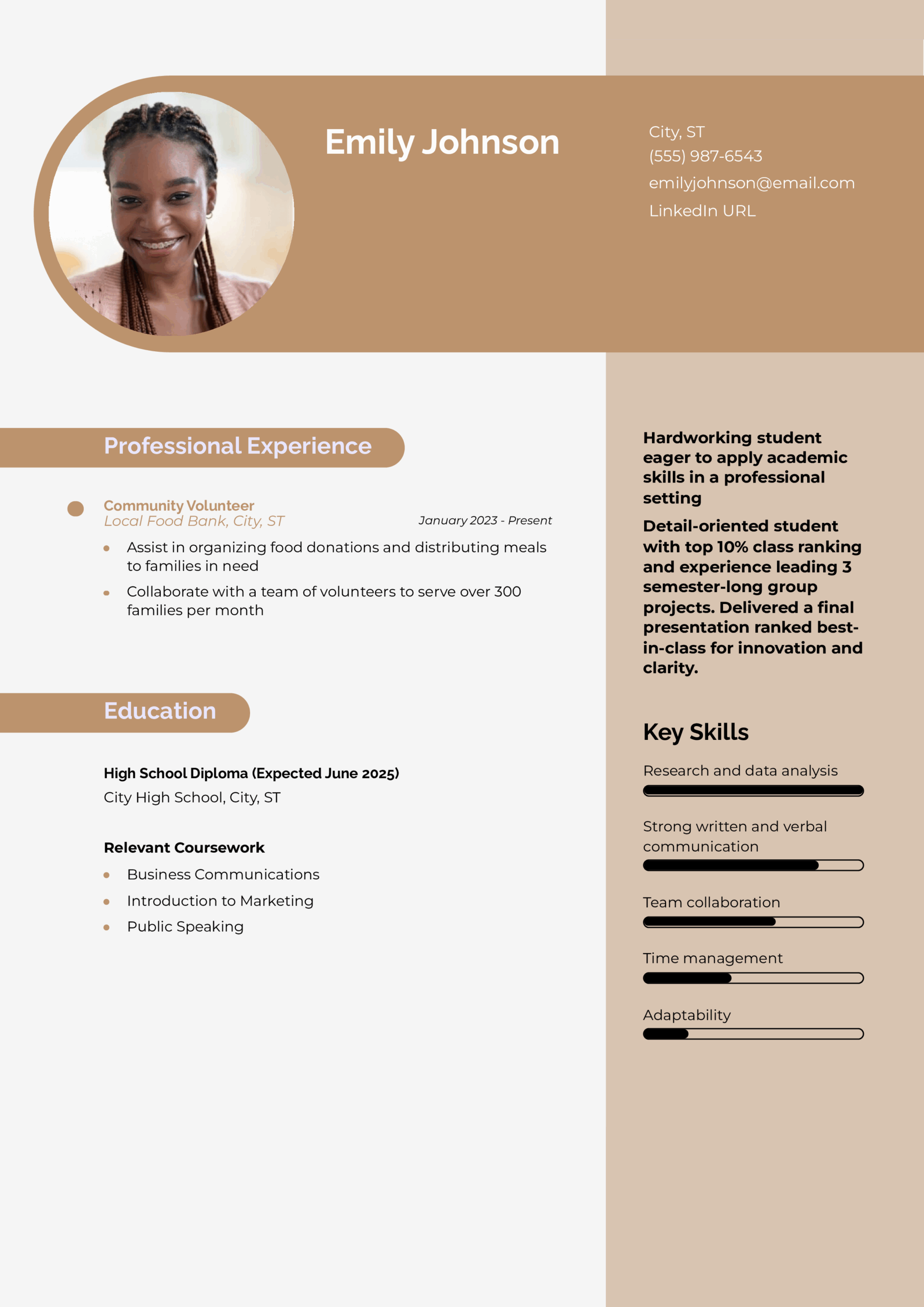
    Writing a resume can be intimidating, especially if you have no professional experience. You might feel like you have nothing to put on paper. But here’s the good news—everyone starts somewhere. Even if you haven’t held a formal job yet, you have skills, education, and experiences that matter. The key is knowing how to highlight them effectively. A strong resume without experience is about focusing on potential, achievements, and transferable skills. Here’s how you can craft one that stands out.

    1. Choose the Right Resume Format

    The first step is selecting a format that works for beginners. There are three main types of resumes:

    • Chronological: Lists work experience in order. Best for those with significant job history.
    • Functional: Focuses on skills and abilities rather than work experience. Perfect for people with little to no experience.
    • Combination: Mixes skills and experience. Useful if you have some experience but want to highlight skills.

    For someone with no experience, a functional resume is usually the best choice. It allows you to emphasize skills, education, and projects instead of work history.

    2. Start with a Strong Objective or Summary

    A resume objective or summary is your first impression. Even if you have no experience, a well-written objective shows ambition and clarity.

    Example:
    “Recent college graduate with strong communication and problem-solving skills seeking an entry-level marketing position to contribute creativity and enthusiasm to a dynamic team.

    Keep it concise—2-3 sentences highlighting your strengths, goals, and what you can bring to the employer. Avoid vague statements like “I am hardworking”—be specific about your abilities.

    3. Highlight Education and Relevant Coursework

    If you lack professional experience, your education becomes a key section. List your degree, institution, and graduation date. Include honors, GPA (if strong), and relevant coursework.

    Example:
    Bachelor of Science in Computer Science
    University of XYZ | 2025
    Relevant Coursework: Web Development, Data Structures, Artificial Intelligence

    You can also include academic projects. For example, if you built a website or developed a small app, briefly describe it and the skills you used. Projects show initiative, technical skills, and practical application of knowledge.

    4. Focus on Skills and Transferable Abilities

    Employers look for skills, not just experience. Soft skills and transferable skills can make a huge difference. These include:

    • Communication
    • Teamwork
    • Problem-solving
    • Leadership
    • Time management
    • Creativity
    • Digital literacy

    Hard skills like Microsoft Office, coding languages, graphic design, or social media management should also be listed. Make sure to match your skills with the job description—this increases your chances of getting noticed.

    5. Include Volunteer Work and Extracurricular Activities

    No formal job? No problem. Volunteer work, internships, or participation in clubs can showcase your abilities and dedication.

    Example:
    Volunteer Tutor | Local Community Center | 2023

    Clubs, sports teams, or student organizations also demonstrate teamwork, leadership, and commitment. Include any roles where you took initiative or managed responsibilities.

    6. Add Internships or Short-Term Experiences

    Even short internships, part-time jobs, or freelance work count. Highlight responsibilities, achievements, and skills gained. Use action verbs like “organized,” “developed,” “managed,” or “created” to make your experiences sound impactful.

    Example:
    Social Media Intern | XYZ Startup | Summer 2024

    • Created content for Instagram and Facebook pages
    • Increased follower engagement by 20% through targeted posts
    • Assisted in marketing campaign strategy

    Numbers and results make your experience tangible—even if it was brief.

    7. Use Action Words and Quantify Achievements

    Action verbs give your resume energy and make it clear what you accomplished. Words like “developed,” “led,” “created,” “organized,” “designed,” and “implemented” are powerful.

    Quantifying achievements adds credibility. For example: “Tutored 15 students weekly, improving average test scores by 10%” sounds much stronger than “helped students with homework.” Numbers and metrics catch attention and demonstrate impact.

    8. Keep the Design Clean and Professional

    Even the best content can be ignored if the layout is messy. Keep your resume clean, professional, and easy to read. Use clear headings, bullet points, and consistent formatting. Avoid fancy fonts or bright colors—simplicity is key.

    Your resume should ideally fit on one page. Remember, recruiters spend only seconds scanning each resume. Make your most important information easy to find.

    9. Tailor Your Resume for Each Job

    One resume doesn’t fit all. Tailor your resume for each application. Highlight the skills, coursework, and experiences most relevant to the job. Use keywords from the job description.

    For example, if a position emphasizes teamwork and communication, prioritize examples where you demonstrated these skills. Customization increases the chances of passing through automated applicant tracking systems (ATS) and catching the recruiter’s eye.

    10. Proofread and Get Feedback

    Errors on a resume can leave a negative impression. Proofread carefully for spelling, grammar, and formatting mistakes. Ask a friend, mentor, or career counselor to review your resume. Fresh eyes can catch errors you might miss and suggest improvements.

    A polished resume shows attention to detail, professionalism, and seriousness about the application.

    Conclusion

    Writing a resume with no experience may seem daunting, but it’s entirely possible to create a strong, compelling document. Focus on your education, projects, volunteer work, skills, and any short-term experiences. Use action verbs, quantify your achievements, and tailor your resume to each job.

    Remember, employers aren’t just looking for a long work history—they’re looking for potential, enthusiasm, and the ability to learn. Your first resume is about showcasing these qualities in the best possible way.

    With preparation, clarity, and confidence, you can create a resume that opens doors, even without formal experience. Start early, keep improving, and treat each application as a step toward your career. Your first job may be around the corner—you just need the right resume to get there.

  • Soft Skills Every Student Should Learn Before Graduating

    Soft Skills Every Student Should Learn Before Graduating

    Education is not just about grades, exams, and textbooks. Sure, academic knowledge is important, but in today’s world, soft skills are just as crucial—sometimes even more. Soft skills are those personal attributes that help you interact effectively with others, manage challenges, and navigate professional environments. They are the skills that can’t always be measured in marks but can make a huge difference in your career and life. Every student should focus on developing these skills before graduating, because they’re what help you stand out in a competitive world.

    1. Communication Skills

    The ability to communicate clearly and effectively is vital. This includes both written and verbal communication. You can have the best ideas in the world, but if you can’t express them, they won’t matter.

    Students should practice presenting their thoughts in class, writing clear assignments, or even participating in debates. Learning to listen actively is also part of communication—understanding others, asking the right questions, and responding thoughtfully. Good communication opens doors in interviews, team projects, and future workplaces.

    2. Teamwork and Collaboration

    No one works alone in the real world. Most projects, whether academic or professional, require collaboration. Learning how to work in a team, respect diverse opinions, and contribute effectively is crucial.

    Participate in group projects, clubs, or volunteer activities. Understand your strengths and weaknesses, and learn to complement others. Conflict is natural in teamwork, so developing problem-solving skills and empathy is also essential. Being a team player shows employers that you can work well with others, which is often more important than technical skills alone.

    3. Time Management

    Time management is more than just meeting deadlines. It’s about prioritizing tasks, avoiding procrastination, and using your time efficiently. Students who can plan their day, balance academics with extracurriculars, and stick to schedules tend to perform better academically and professionally.

    Practical tips include using planners, setting realistic goals, and breaking tasks into manageable chunks. Time management reduces stress, increases productivity, and builds discipline—skills that carry well into professional life.

    4. Adaptability and Flexibility

    The world is changing fast, and so are workplaces. Being adaptable means you can adjust to new situations, technologies, and challenges. Flexibility allows you to thrive even when things don’t go as planned.

    Students can develop adaptability by embracing change, taking on unfamiliar projects, or exploring new skills. Employers value candidates who can handle uncertainty, learn quickly, and stay productive under pressure. Adaptability ensures you remain relevant and resilient in any career path.

    5. Problem-Solving and Critical Thinking

    Problem-solving is about finding solutions, but critical thinking is about approaching problems logically and analytically. Together, they are essential for success.

    Students should practice analyzing situations, evaluating options, and making decisions. This can be done through case studies, academic projects, or even daily challenges. Being able to approach a problem creatively, think critically, and implement solutions shows maturity and competence—qualities highly sought after by employers.

    6. Emotional Intelligence (EQ)

    Emotional intelligence is the ability to recognize, understand, and manage your emotions, and also empathize with others. High EQ helps in handling stress, resolving conflicts, and building positive relationships.

    Students can develop EQ by being self-aware, practicing empathy, and reflecting on their reactions to different situations. Emotional intelligence helps in networking, leadership, teamwork, and customer relations. In short, it’s the skill that makes you human in professional environments.

    7. Leadership Skills

    Leadership isn’t just about being in charge—it’s about guiding, inspiring, and motivating others. Students can develop leadership skills by taking initiative, leading group projects, participating in clubs, or volunteering.

    Good leaders communicate effectively, listen to their team, make decisions confidently, and take responsibility for outcomes. Even if you’re not in a formal leadership role, showing leadership qualities demonstrates reliability, accountability, and vision.

    8. Networking Skills

    Networking is often overlooked, but it’s a powerful tool for career growth. Building connections with peers, professors, industry professionals, and mentors can open doors to internships, jobs, and collaborations.

    Students can develop networking skills by attending events, participating in workshops, and engaging with people online professionally, like on LinkedIn. Learning to maintain professional relationships, follow up politely, and communicate effectively can make a huge difference in your career opportunities.

    9. Work Ethic and Responsibility

    A strong work ethic is about commitment, reliability, and diligence. Employers want people who take responsibility for their tasks, meet deadlines, and go the extra mile when needed.

    Students can develop work ethic by being consistent in their studies, participating actively in projects, and taking accountability for mistakes. Demonstrating responsibility and integrity early sets a solid foundation for professional life.

    10. Digital Literacy

    Even soft skills now intersect with technology. Being digitally literate—comfortable using digital tools, managing online communication, and learning new technologies—is increasingly important.

    Students should familiarize themselves with productivity tools, basic data analysis, online collaboration platforms, and social media professionalism. Being digitally competent makes you adaptable, efficient, and ready for modern workplaces.

    Conclusion

    Academic achievements are important, but soft skills are what truly differentiate students in the real world. Communication, teamwork, time management, adaptability, problem-solving, emotional intelligence, leadership, networking, work ethic, and digital literacy are essential skills every student should develop before graduating.

    These skills don’t appear overnight—they require practice, reflection, and consistent effort. Participating in extracurricular activities, internships, volunteering, and group projects are great ways to build these abilities.

    In the end, employers aren’t just hiring degrees—they’re hiring people. People who can work well with others, handle challenges, learn continuously, and contribute meaningfully. By focusing on soft skills alongside academic knowledge, students prepare themselves not just for a job, but for lifelong success in any path they choose.

    Graduating with strong soft skills is like having a toolkit for life—one that will help you navigate careers, relationships, and challenges with confidence and competence.

  • The Importance of Internships: How to Find the Right One

    The Importance of Internships: How to Find the Right One

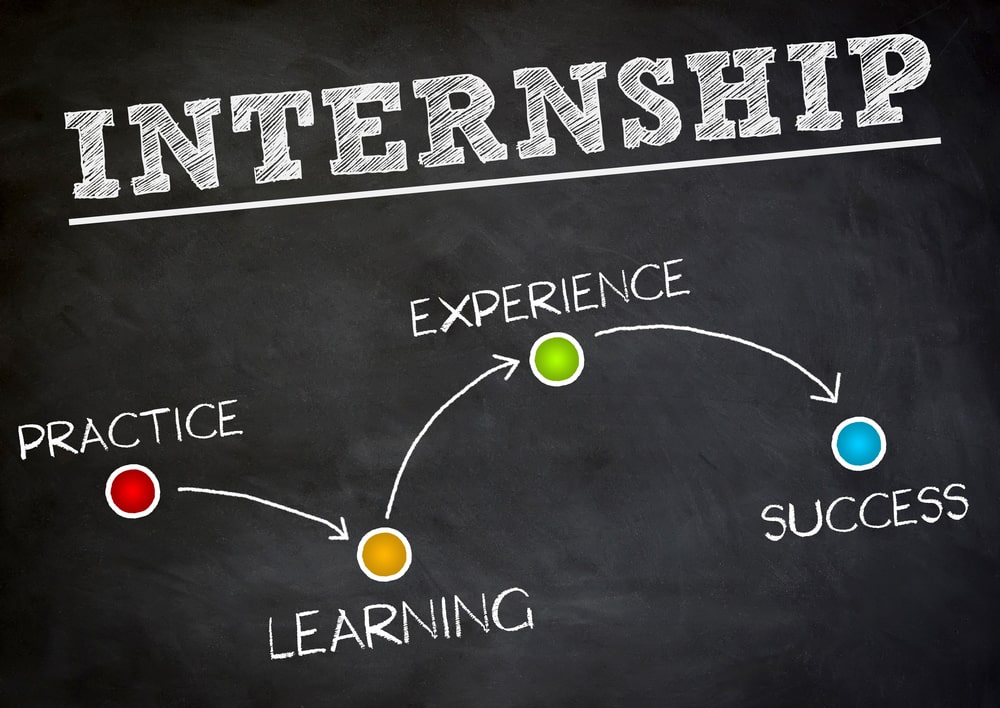
    Internships. You’ve probably heard about them in college, career workshops, or online forums. But why are they so important? And more importantly, how do you find the right one? Internships are not just “nice-to-have” experiences—they can make a real difference in your career, helping you gain skills, build networks, and understand what kind of work environment suits you. Whether you’re a student or a recent graduate, understanding the value of internships and knowing how to secure the right one is crucial.

    1. Why Internships Matter

    Internships serve as a bridge between education and the professional world. They give you hands-on experience, letting you apply what you’ve learned in school to real-world situations. For many students, this is their first opportunity to see how an industry functions day-to-day.

    Beyond experience, internships help you develop soft skills—communication, teamwork, problem-solving, time management—that are just as important as technical knowledge. They also provide a chance to explore different career paths. You might realize that a particular field isn’t for you—or discover a new passion you hadn’t considered.

    Moreover, internships often serve as stepping stones to full-time employment. Employers are more likely to hire someone who has already worked with them and understands their processes, culture, and expectations. Even if the internship doesn’t lead to a permanent position, it adds valuable experience to your resume and makes you more competitive in the job market.

    2. Identify Your Goals

    Before you start searching, it’s important to define what you want from an internship. Are you looking to gain specific skills? Build your professional network? Explore a new industry? Or earn college credit?

    Knowing your goals helps you narrow down options and focus on opportunities that truly match your needs. For example, if your goal is to improve coding skills, an internship at a tech company or a startup might be ideal. If you’re interested in marketing, look for roles that involve campaign management, content creation, or market research. Clear goals guide your search and help you make the most of your internship experience.

    3. Research Potential Companies and Industries

    Once your goals are clear, start researching companies and industries that align with them. Check out company websites, LinkedIn pages, and online reviews. Understand their culture, work environment, and the kind of projects interns typically work on.

    Don’t overlook smaller companies or startups. They often provide more hands-on experience and the chance to take on responsibilities that might be limited in larger organizations. Remember, an internship is about learning and growth, not just prestige.

    4. Leverage Your Network

    Networking is one of the most effective ways to find internships. Talk to professors, career counselors, family friends, alumni, or anyone in your desired industry. Attend job fairs, webinars, and professional meetups.

    Many internships are filled through referrals or connections before they’re even posted online. Don’t be afraid to reach out and express interest. A polite email or LinkedIn message can sometimes open doors that a standard application cannot.

    5. Use Online Resources

    There are countless online platforms dedicated to internships and early career opportunities. Websites like Indeed, Glassdoor, LinkedIn, Internshala, and Handshake provide listings with filters for location, field, duration, and type (paid or unpaid).

    When using these platforms, tailor your search with specific keywords and save listings that match your goals. Setting up alerts can help you apply quickly, as many internships have limited slots and tight deadlines.

    6. Craft a Strong Resume and Cover Letter

    Even for internships, your application materials matter. Your resume should highlight education, relevant skills, projects, and extracurricular activities. Don’t worry if you lack professional experience—projects, volunteer work, or even coursework can demonstrate your abilities.

    Your cover letter is equally important. Explain why you’re interested in the internship, how your skills align with the role, and what you hope to gain. Keep it concise, professional, and genuine. Personalization makes a difference—avoid generic letters that could apply to any company.

    7. Prepare for Interviews

    Many internships require interviews, even for short-term or part-time roles. Prepare by practicing common questions, like:

    • “Tell me about yourself.”
    • “Why do you want to intern here?”
    • “Describe a challenge you faced and how you handled it.”

    Research the company thoroughly so you can answer questions confidently. Also, prepare thoughtful questions to ask the interviewer, showing curiosity and initiative. Practicing with a friend, family member, or mentor can help reduce nerves and improve your communication.

    8. Consider Paid vs. Unpaid Internships

    Not all internships are paid, and this can be a tough decision for students with financial constraints. Paid internships provide immediate financial support, while unpaid internships may offer more flexibility or unique learning opportunities.

    Evaluate the trade-offs carefully. Consider the skills you’ll gain, the networking opportunities, and how the experience aligns with your long-term goals. Sometimes an unpaid internship with significant learning potential can be worth more than a paid position with limited exposure.

    9. Make the Most of Your Internship

    Landing the internship is just the beginning. To truly benefit, be proactive. Ask questions, volunteer for projects, and seek feedback. Take notes, track achievements, and build relationships with mentors and colleagues.

    Document your experience—you’ll need it for future resumes, cover letters, and interviews. Internships are opportunities to learn, grow, and make meaningful contributions. Your attitude and initiative often leave a lasting impression, which can lead to recommendations, references, or even job offers.

    10. Reflect and Plan Next Steps

    After your internship, take time to reflect. What did you learn about the industry, the company, and yourself? Did you discover new interests or confirm career goals? How did your skills improve?

    Use this reflection to plan your next steps. If the experience was positive, consider asking for a reference or exploring opportunities within the company. If it wasn’t quite right, think about what you want to look for in future internships or jobs. Each internship is a stepping stone in your career journey.

    Conclusion

    Internships are more than just temporary positions—they’re gateways to professional growth, skill development, and networking. They help bridge the gap between education and the workforce, giving you hands-on experience that can’t be learned from textbooks alone.

    Finding the right internship requires research, networking, goal-setting, and preparation. Once you secure one, approach it with curiosity, initiative, and a willingness to learn. Make connections, document achievements, and reflect on the experience.

    Your first internship may feel intimidating, but it’s also an incredible opportunity to learn, grow, and step confidently into your career. With the right mindset and preparation, internships can be life-changing, shaping not just your resume, but your future.

  • How to Prepare for Your First Job Interview

    How to Prepare for Your First Job Interview

    Your first job interview. Exciting. Nerve-wracking. A mix of anticipation and anxiety. It’s normal to feel jittery, especially if you’ve never been through this process before. But the good news is—preparation can make a huge difference. Interviews aren’t just about luck; they’re about strategy, confidence, and knowing yourself. Whether you’re applying for your first office job, internship, or part-time position, these steps can help you walk into the interview room feeling ready.

    1. Research the Company Thoroughly

    One of the most important things you can do before an interview is research. And I mean deeply. Don’t just glance at the company website. Read about its history, mission, values, and culture. Know its products or services. Check recent news, press releases, or social media posts.

    Why? Because when you show knowledge about the company, it demonstrates interest and initiative. It tells the interviewer you care, that you’re not just applying randomly. Try to identify how your skills align with the company’s goals. This will help you answer questions like, “Why do you want to work here?” with confidence and authenticity.

    2. Understand the Job Role

    It’s not enough to know the company; you need to understand the specific role you’re applying for. Carefully read the job description. Identify key skills, responsibilities, and expectations.

    Make a list of experiences, academic projects, or extracurricular activities that match these requirements. This will allow you to tailor your answers to show that you’re not just capable, but the right fit. For example, if the job emphasizes teamwork, think of a situation where you collaborated successfully. If it requires problem-solving, prepare an example where you overcame a challenge.

    3. Prepare Common Interview Questions

    Most interviews include a mix of standard questions and role-specific questions. Some common ones include:

    • “Tell me about yourself.”
    • “What are your strengths and weaknesses?”
    • “Why should we hire you?”
    • “Describe a challenge you faced and how you overcame it.”

    Practice answering these out loud. Don’t memorize word-for-word—it will sound robotic. Instead, outline key points you want to mention. Practicing helps you feel more confident, reduces nerves, and improves clarity.

    4. Prepare Questions to Ask

    Interviews are a two-way street. Asking questions shows interest and engagement. Prepare thoughtful questions about the role, team structure, company culture, or growth opportunities.

    Avoid asking things easily found online, like basic company facts. Instead, focus on questions that show you’re thinking about your role within the organization. For example, “Can you describe the typical career path for someone in this position?” or “What skills do you think are most important for success here?”

    5. Practice Your Body Language

    Non-verbal communication is huge in interviews. How you sit, make eye contact, and greet the interviewer matters. A firm handshake, upright posture, and friendly smile convey confidence. Avoid slouching, fidgeting, or crossing your arms defensively.

    Body language can even influence how your words are perceived. Practice in front of a mirror or with a friend. Record yourself if necessary. It may feel awkward, but small adjustments can make a big difference.

    6. Dress Appropriately

    Your appearance is your first impression, literally. Research the company’s dress code. For corporate jobs, business casual or formal attire is usually safe. For startups, smart casual may be fine. When in doubt, it’s better to slightly overdress than underdress.

    Make sure your clothes are clean, ironed, and well-fitted. Pay attention to grooming—hair, nails, and shoes. Your goal is to present yourself as polished, professional, and confident.

    7. Plan Your Journey

    Arriving late to an interview can create unnecessary stress and leave a bad impression. Plan your route in advance, whether you’re driving, taking public transport, or walking. Factor in extra time for traffic, delays, or unforeseen events.

    Arriving 10–15 minutes early is ideal. It gives you a moment to relax, review your notes, and get mentally prepared. Showing up late says more about your reliability than your resume ever could.

    8. Practice Mock Interviews

    Mock interviews are one of the best ways to prepare. Ask a friend, family member, or mentor to simulate the interview experience. This allows you to practice speaking clearly, answering questions concisely, and managing nerves.

    Try to mimic the actual setting as closely as possible. Record the session if you can. Review it to spot habits like filler words, unnecessary gestures, or vague answers. Practice helps transform nervous energy into confidence.

    9. Manage Anxiety and Stay Positive

    It’s normal to feel nervous, especially for your first interview. Breathing exercises, positive self-talk, or visualization techniques can help calm anxiety. Picture yourself walking in confidently, answering questions clearly, and leaving the interview feeling proud.

    Remember, interviews are a learning experience. Even if you don’t get the job, each interview teaches you something—about the process, about companies, and about yourself. Maintaining a positive mindset makes you more resilient and improves performance.

    10. Follow-Up After the Interview

    After the interview, sending a thank-you email is crucial. Keep it short and professional. Thank the interviewer for their time, briefly highlight a point discussed, and reiterate your interest in the role.

    This simple gesture shows professionalism, courtesy, and genuine interest. It may also help you stand out in a competitive candidate pool.

    Conclusion

    Preparing for your first job interview may feel overwhelming, but with the right strategy, it becomes manageable. Research the company, understand the role, practice common questions, and prepare thoughtful questions of your own. Pay attention to body language, dress appropriately, and plan your journey carefully. Practice mock interviews, manage anxiety, and always follow up professionally.

    Interviews are not just a test—they’re an opportunity to showcase your skills, personality, and potential. With preparation, confidence, and a positive mindset, your first interview can be a stepping stone to success, opening doors to your career journey.

    Remember: everyone starts somewhere, and every interview is a chance to learn and grow. Take a deep breath, prepare well, and walk in knowing you are capable. You’ve got this.

  • The Importance of Gratitude in Daily Life

    The Importance of Gratitude in Daily Life

    We hear about gratitude a lot. Books, self-help podcasts, Instagram posts—they all talk about it. But what does it really mean to practice gratitude? And more importantly, why should it matter in your daily life? Gratitude isn’t just a nice “feel-good” habit. It’s a mindset that can transform how we experience the world, handle challenges, and connect with others. Here’s a closer look.

    1. Gratitude Shifts Your Focus

    Life can feel overwhelming sometimes. Bills pile up, work stress never seems to end, relationships get messy. It’s easy to fixate on what’s wrong, what’s missing, what’s unfair.

    Gratitude flips that script. When you actively notice the things that are going right—even small things—it changes your perspective. A hot cup of coffee in the morning, a friend texting you “good luck,” a stranger holding the door. Little things. They matter. And noticing them doesn’t just make you feel better in the moment—it rewires your brain over time to see abundance rather than lack.

    2. Gratitude Improves Mental Health

    Research shows that people who regularly practice gratitude are less likely to experience anxiety and depression. Writing down three things you’re thankful for each day can boost mood, increase optimism, and even improve resilience.

    Why? Because gratitude shifts your attention from what’s stressful to what’s positive. It doesn’t erase problems—but it helps you approach them with a clearer, calmer mindset. In a way, it’s like training your brain to spot silver linings instead of just dark clouds.

    3. Gratitude Strengthens Relationships

    Saying “thank you” isn’t just polite—it’s powerful. Expressing gratitude to people in your life—friends, family, colleagues—can deepen connections and build trust.

    Think about it. When someone recognizes your effort, you feel appreciated. That feeling motivates both sides. Relationships become more supportive, more understanding, more rewarding. Even small gestures of gratitude—a note, a text, a kind word—can make a big difference over time.

    4. Gratitude Encourages Mindfulness

    Gratitude and mindfulness go hand in hand. When you focus on the present moment and what you’re thankful for, it slows down the constant rush of daily life.

    Instead of worrying about the future or regretting the past, you notice the world around you. You notice your own growth, the beauty in small moments, the kindness of others. And noticing—that’s what mindfulness is really about. Gratitude gives you a reason to pay attention.

    5. Gratitude Boosts Physical Health

    Surprising, right? Studies suggest that grateful people tend to exercise more, sleep better, and even have stronger immune systems. Why? Possibly because gratitude reduces stress and encourages healthier habits.

    It’s like a ripple effect. Feeling thankful lowers stress hormones, which improves sleep, which improves energy, which helps you make healthier choices. Your mind and body are more connected than we often realize, and gratitude is like a tune-up for both.

    6. Gratitude Helps You Handle Challenges

    Life isn’t perfect. Problems happen. People let us down. Plans fail. But gratitude gives you perspective. When you focus on what’s still good—even in a messy situation—you build resilience.

    For example, maybe you lost a job but your family supports you, or your day was terrible but your health is intact. Recognizing these things doesn’t erase the struggle—but it reminds you that even bad moments are part of a bigger, more balanced picture. That’s empowering.

    7. Gratitude Creates a Positive Feedback Loop

    Here’s something cool: gratitude breeds more gratitude. When you notice what’s good, you act differently. You’re kinder, more generous, more patient. That, in turn, creates more positive experiences to be grateful for.

    It’s like planting seeds. Each “thank you” or moment of appreciation grows into something bigger, a happier, calmer, more fulfilled version of your everyday life.

    How to Practice Gratitude Daily

    • Keep a gratitude journal – write three things each day you’re thankful for. Big or small, it all counts.
    • Express it to others – a text, a note, even a smile can communicate appreciation.
    • Notice the little things – slow down. Coffee, sunshine, a quiet moment. Don’t rush past life.
    • Reflect during hard times – even when things are tough, there’s usually at least one small thing to appreciate.

    Final Thoughts

    Gratitude isn’t about pretending life is perfect. It’s not about ignoring problems or glossing over pain. It’s about acknowledging what’s good, even in the midst of challenges. It’s about training your mind to notice abundance instead of lack, and in doing so, making life a little lighter, a little happier, and a lot more meaningful.

    Start small. Notice one thing today. Then tomorrow. And slowly, you’ll see—a little gratitude goes a long way.

  • How to Stay Happy with What You Have

    How to Stay Happy with What You Have

    Happiness. We all chase it, right? But here’s the tricky part—it’s not always found in getting more, achieving more, or having more. Sometimes, it’s about stopping, looking around, and realizing that maybe, just maybe, what you already have is enough. Easier said than done, though. Modern life pushes us to compare, compete, and constantly want. But there are ways to fight that feeling, to genuinely be content with your life as it is. Here’s how.


    1. Appreciate the Small Things

    It sounds cliché. Everyone says it. But it works. Happiness isn’t always in the big moments. It’s in the smell of morning coffee, the sound of rain on your window, or a text from a friend you didn’t expect.

    Take a moment every day to notice something small that’s going right. Write it down if you need to. These tiny moments stack up over time, and suddenly, your perspective shifts. You start noticing abundance instead of lack.


    2. Stop Comparing Yourself to Others

    This one’s hard. Social media doesn’t help. It’s like every scroll screams: “They have more, do more, live better.” But here’s the truth—most of what you see isn’t the full picture. Everyone struggles. Everyone fails. But not everyone posts about it.

    Comparison steals joy. So, catch yourself when it happens. Remind yourself that your journey is yours. Not theirs. Focus on what you have and what you’ve done, not what someone else has.


    3. Practice Gratitude Daily

    Gratitude isn’t just a buzzword. It’s scientifically proven to boost happiness. People who regularly reflect on what they’re thankful for report higher life satisfaction.

    It doesn’t have to be complicated. Before bed, think of three things that went well that day. Could be big, could be small. Maybe your plant didn’t die, maybe you got a compliment, maybe you just survived a tough day. It all counts. Gratitude trains your brain to see abundance rather than emptiness.


    4. Learn to Let Go of What You Can’t Control

    A lot of unhappiness comes from wanting things to be different than they are. Traffic, other people, past mistakes—it piles up. But here’s a liberating thought: you don’t control most of it.

    Focus on what you can control: your choices, your attitude, your actions. The rest? Let it go. This isn’t about giving up. It’s about redirecting your energy toward things that actually matter.


    5. Invest in Experiences, Not Things

    Stuff can feel good… for a moment. But the excitement fades. Experiences—travel, time with friends, learning a new skill—stick with you. They shape your memories, your stories, your identity.

    Studies show people who spend on experiences are generally happier than those who spend on material goods. So next time you want to buy something big, ask yourself: Will this make me happy in five years, or just five days?


    6. Simplify Your Life

    Sometimes, unhappiness comes from clutter—physically, mentally, emotionally. Too much stuff, too many commitments, too many worries.

    Simplifying doesn’t mean you have to live in a tiny house or quit your job. It means evaluating what really matters. Say no more often. Declutter your space. Limit distractions. When your life is simpler, it’s easier to see and enjoy what you already have.


    7. Focus on Personal Growth

    Here’s a twist: being happy with what you have doesn’t mean being stagnant. Growth and contentment can coexist.

    Learn, explore, challenge yourself—but do it because you enjoy it, not because you need it to “keep up” with others. When growth comes from curiosity instead of comparison, it actually increases satisfaction rather than undermining it.


    8. Surround Yourself with Positive Influences

    The people you spend time with affect your mood more than you realize. Negative, constantly complaining friends? They drain you. Supportive, grateful, uplifting friends? They inspire you.

    Choose carefully. And don’t feel guilty for putting boundaries up. Protect your happiness like you would your health—it’s just as important.


    Final Thoughts

    Staying happy with what you have is a practice, not a destination. Life will always throw challenges at you. Things will break, plans will fail, people will disappoint. But when you cultivate appreciation, let go of comparison, simplify, and focus on what truly matters, contentment becomes possible.

    Happiness isn’t about having it all. It’s about loving what you already do.

  • 7 Signs You’re Growing as a Person

    7 Signs You’re Growing as a Person

    Personal growth. We hear the phrase everywhere—social media, books, podcasts—but do we really know what it looks like in day-to-day life? Growth isn’t just about achieving big milestones or reaching career goals. Sometimes, it’s quieter. Subtle. The kind of change that you might not even notice until you look back. If you’re wondering whether you’re actually evolving as a human being, here are seven signs that suggest you are.

    1. You’re More Comfortable Being Alone

    One of the first signs of personal growth? Being okay with your own company.

    If you find yourself enjoying weekends without plans, reflecting on your thoughts instead of scrolling mindlessly, or even laughing at your own jokes—congratulations. Growth often starts internally. When you can sit with yourself without feeling restless, lonely, or anxious, it means you’re starting to understand yourself better. And understanding yourself? That’s huge.

    2. You Accept Responsibility for Your Actions

    Growing people don’t play the blame game as much. When things go wrong, the first reaction isn’t “it’s their fault” or “this isn’t my problem”. Instead, there’s a pause, a moment of reflection: “Okay, what part did I play in this? What can I learn?”

    This doesn’t mean you become self-critical or take the blame for everything, but you stop running away from your role in situations. Responsibility fosters maturity and self-awareness, two critical pillars of personal development.

    3. You’re Less Reactive, More Reflective

    Think about it. Are you constantly reacting to life’s challenges—snapping at friends, feeling frustrated at small things—or do you pause, breathe, and reflect before responding?

    When you’re growing, emotions still happen, but your response changes. Anger might still flare up, sadness might still hit hard—but instead of letting them control your actions, you use them as information. You think: “Why am I feeling this? What can I do?” That’s growth in action.

    4. You’re Open to Feedback

    This is a big one. Growth involves accepting that you don’t know everything. If criticism feels like a threat, you might still be in old patterns. But if you can listen to feedback—even when it stings—and use it constructively, you’re expanding your mindset.

    It’s not just about work or school feedback. It could be from friends, family, or even strangers. The key is listening, evaluating, and using it to adjust your behavior without letting your ego take over.

    5. You Let Go of Toxic Relationships

    Not every relationship is meant to last forever, and personal growth often shows itself through the ability to let go.

    You start recognizing patterns: the people who drain your energy, who constantly criticize or manipulate, who aren’t aligned with your values. And instead of clinging out of fear or habit, you create boundaries or walk away entirely. It’s hard. Painful even. But growth often comes with the courage to protect your own well-being.

    6. You Embrace Change and Uncertainty

    If you’re growing, the unknown doesn’t terrify you as much as it used to. Sure, uncertainty is uncomfortable—but instead of resisting, you see it as an opportunity to learn.

    Maybe it’s changing jobs, moving to a new city, or simply trying a hobby you’ve never considered. Growth is rarely static. If you can adapt and even thrive in new situations, your personal development is clearly underway.

    7. You Practice Gratitude and Self-Compassion

    Finally, personal growth often shows up as kindness—towards yourself and others. You notice when you’re harsh on yourself, and instead of spiraling, you pause and offer compassion. You appreciate small wins, simple pleasures, and the journey itself, not just the destination.

    Gratitude doesn’t mean life is perfect. It means you’re able to acknowledge what’s good, even when things are messy. That mindset shift alone is transformative.

    Final Thoughts

    Personal growth is messy, slow, and deeply personal. There’s no checklist or fixed timeline. But if you recognize these seven signs in yourself, it’s proof you’re moving in the right direction. And sometimes, that’s all the motivation you need—to keep growing, learning, and becoming the best version of yourself.

    Remember: growth isn’t about perfection. It’s about progress.

  • How to Become More Confident in Social Settings

    How to Become More Confident in Social Settings

    Being around people can be exciting, but also nerve-wracking. You might worry about saying the wrong thing, making a bad impression, or just not fitting in. Many people struggle with social confidence, and honestly, it’s normal. The good news? Confidence in social settings can be learned, step by step.

    1. Understand the Root of Your Social Anxiety

    Before you can build confidence, you need to know why you feel nervous.

    • Are you worried about judgment?
    • Do you fear rejection or embarrassment?
    • Are you comparing yourself to others too much?

    Recognizing your fears is the first step. Once you understand what triggers your anxiety, you can start to manage it instead of letting it control you.

    2. Start Small and Gradual

    Confidence doesn’t appear overnight. Start with manageable steps:

    • Smile and greet someone you know.
    • Make small talk in low-pressure situations, like the cashier at a store.
    • Attend gatherings for a short time and gradually increase your presence.

    Small victories build your confidence faster than forcing yourself into overwhelming situations.

    3. Improve Body Language

    Your body speaks before your words do. Confident body language can actually make you feel more confident.

    • Stand tall, shoulders back.
    • Make eye contact, but don’t stare.
    • Avoid fidgeting too much; relaxed movements show calmness.
    • Use open gestures, don’t cross your arms—it feels defensive.

    Even if you’re nervous, practicing confident body language can trick your brain into feeling more secure.

    4. Prepare Topics in Advance

    Many people feel anxious because they fear awkward silences. Preparing can help:

    • Think of a few general topics: movies, music, current events.
    • Ask open-ended questions—people love talking about themselves.
    • Avoid controversial or heavy topics unless the setting allows.

    Preparation doesn’t make you robotic; it gives you a safety net to fall back on.

    5. Focus on Others, Not Yourself

    Shifting focus from your insecurities to others helps you relax.

    • Listen actively and show genuine interest.
    • Compliment sincerely—it makes people feel good and eases tension.
    • Don’t overthink how you’re coming across; focus on connecting.

    When you care more about others than your own image, interactions flow naturally.

    6. Challenge Negative Thoughts

    Your brain often exaggerates social fears:

    • “Everyone will think I’m awkward” → probably not true.
    • “I’ll say something stupid” → most mistakes are forgotten quickly.

    Replace negative thoughts with realistic ones. Remind yourself: social interactions are practice, not performance.

    7. Practice, Practice, Practice

    Confidence is like a muscle—it grows with use.

    • Attend small events, then gradually bigger ones.
    • Join clubs, classes, or volunteer activities—safe spaces to meet people.
    • Role-play conversations with a friend or even in front of a mirror.

    Every attempt, even imperfect, strengthens your social confidence.

    8. Take Care of Yourself

    Feeling good physically can boost social confidence.

    • Dress in a way that makes you comfortable and confident.
    • Exercise regularly—it improves mood and energy.
    • Get enough sleep; tiredness increases anxiety.

    Confidence isn’t just mental; it’s physical too.

    9. Embrace Mistakes

    Nobody is perfect in social situations. Mistakes happen.

    • Laugh at awkward moments; it diffuses tension.
    • Learn, but don’t dwell on small errors.
    • Everyone experiences embarrassing moments—it’s part of being human.

    Accepting imperfection frees you to enjoy social interactions more.

    Conclusion

    Becoming confident in social settings is a gradual journey. It’s about small steps, practice, self-awareness, and focusing on connection rather than perfection. You don’t need to be the loudest or funniest person in the room. You just need to show up, listen, engage, and gradually trust yourself more.

    Remember: confidence isn’t born—it’s built. Start small, stay consistent, and soon, social gatherings won’t feel intimidating—they’ll feel like opportunities to connect and grow.

  • How to Stop Overthinking Everything

    How to Stop Overthinking Everything

    Overthinking. We’ve all done it. Lying in bed, going over every little thing that happened during the day. Wondering if we said the wrong thing, made the wrong choice, or missed some hidden opportunity. It’s exhausting. And honestly, it rarely solves anything.

    The good news? You can stop overthinking. It takes awareness, practice, and some small changes in how you think and act.

    1. Understand Why You Overthink

    Overthinking usually comes from fear, uncertainty, or a desire to control everything.

    • Fear of making mistakes.
    • Worry about what others think.
    • Anxiety about the future.

    Knowing why you overthink is the first step. Once you understand the root, you can work on it instead of just feeling trapped in your own head.

    2. Break the “What If” Cycle

    “What if I fail?” “What if they get upset?” “What if I made the wrong choice?” Sound familiar?

    • Challenge these thoughts. Ask, “Is this really likely?” or “Even if it happens, can I handle it?”
    • Sometimes writing your worries down helps—they seem smaller once they’re on paper.
    • Limit the time you spend thinking about decisions—set a timer if needed.

    Overthinking often feels productive, but it rarely leads to action.

    3. Focus on What You Can Control

    Many thoughts spiral because we focus on things beyond our control.

    • Ask yourself, “Can I do something about this?” If yes, take action.
    • If no, remind yourself that worrying won’t change it.
    • Letting go of what you can’t control is freeing—but it takes practice.

    4. Practice Mindfulnes

    Mindfulness teaches you to stay present.

    • Focus on your breathing.
    • Notice your surroundings.
    • Observe thoughts without judging them or acting on every worry.

    Even a few minutes of mindfulness daily reduces stress and stops your mind from racing.

    5. Limit Information Overload

    Overthinking often comes from too much input: social media, news, advice from everyone.

    • Take breaks from screens.
    • Filter what you consume; choose quality over quantity.
    • Avoid asking too many people for advice—it can confuse you more than help.

    6. Take Action Instead of Ruminating

    Action reduces overthinking. Even small steps help.

    • Make a list of things you can do.
    • Start with one small step, no matter how tiny.
    • Celebrate progress, not perfection.

    Movement—mental or physical—shifts your brain out of endless loops.

    7. Practice Self-Compassion

    Overthinking often comes with self-criticism. “I shouldn’t have done that…” “I should have said this…”

    • Treat yourself like a friend.
    • Remind yourself mistakes are normal and part of learning.
    • Stop judging your thoughts; noticing them is enough.

    8. Create Healthy Daily Habits

    A calm mind prevents overthinking.

    • Exercise regularly—it reduces stress hormones.
    • Sleep well—overthinking worsens when tired.
    • Journal your thoughts—it clears your mind.
    • Set a routine—predictability reduces anxiety.

    Conclusion

    Stopping overthinking isn’t about eliminating thoughts. It’s about changing how you relate to them, taking action, and focusing on what matters. Small changes—mindfulness, self-compassion, controlled thinking time, and healthy routines—can make a huge difference.

    Remember, your mind will always think, but you can choose whether to listen or let go. Overthinking loses its power when you take control, step by step.