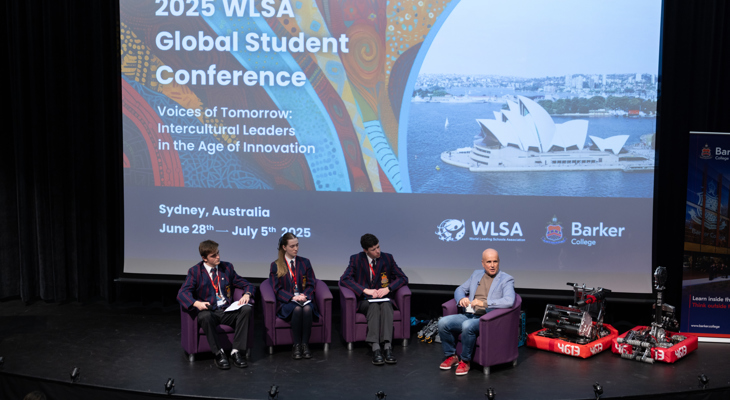
The world is changing. Fast. Cities are growing, resources are shrinking, and the environment is under pressure like never before. Climate change, pollution, and biodiversity loss are not just headlines—they are realities shaping our future. In this situation, we need leaders who can think, act, and innovate for a sustainable world. And it all starts with education. Not just any education—EcoSmart Learning.
What is EcoSmart Learning?
EcoSmart Learning is a way of learning that blends environmental awareness, practical skills, and innovative thinking. It’s not just about reading textbooks or memorizing facts. It’s about understanding the planet, seeing the impact of human actions, and learning how to solve real-world problems.
It encourages curiosity, creativity, and responsibility. Students don’t just learn that deforestation is bad—they explore why it happens, measure its impact, and develop ways to prevent it. EcoSmart Learning is learning with purpose. Learning for the future.
Why Tomorrow’s Leaders Need EcoSmart Skills
The leaders of tomorrow won’t just manage companies or governments—they will manage resources, communities, and the planet. Here’s why EcoSmart Learning is crucial:
- Critical Thinking and Problem-Solving
EcoSmart education teaches students to analyze challenges like water scarcity, air pollution, and energy shortages. Leaders trained in these skills can find solutions, not just follow instructions. - Innovation for Sustainability
From renewable energy to zero-waste technologies, tomorrow’s leaders must innovate responsibly. EcoSmart Learning encourages hands-on projects, experiments, and real-world problem solving. - Global Awareness
Environmental issues are global. Pollution in one country affects the whole planet. EcoSmart education builds awareness, empathy, and collaboration across borders. - Decision-Making with Impact
Every choice a leader makes has consequences. Learning about environmental science, sustainable economics, and social responsibility equips future leaders to make smarter decisions that benefit both people and the planet.
Core Components of EcoSmart Learning
1. Environmental Education
Understanding ecosystems, climate change, and biodiversity is fundamental. Students learn the science behind the environment, so they can make informed choices.
2. Hands-On Learning
Projects like recycling drives, community gardens, or energy audits help students apply knowledge. Action-based learning reinforces lessons and builds practical skills.
3. Technology Integration
Smart technology and digital tools can track energy use, measure pollution, or simulate climate models. EcoSmart learners use tech wisely to solve environmental problems.
4. Leadership and Ethics
EcoSmart education also teaches responsibility, teamwork, and ethical thinking. Leaders of tomorrow need values as much as knowledge.
5. Global Perspective
Learning doesn’t happen in isolation. Sharing ideas, understanding global challenges, and working with diverse communities are essential parts of EcoSmart Learning.
Challenges in Implementing EcoSmart Learning
Of course, challenges exist. Not all schools have access to resources or trained teachers. Some communities may not prioritize environmental education. Technology can be expensive, and sometimes lessons stay theoretical rather than practical. But these challenges are not insurmountable. Creativity, local solutions, and community involvement can make EcoSmart Learning accessible to all.
How to Foster EcoSmart Leaders
- Start Early: Environmental education should begin in primary school. Small habits formed young last a lifetime.
- Connect with Nature: Field trips, gardening, and observation of local ecosystems make lessons real.
- Encourage Projects: Students should actively participate in solving problems—cleanups, renewable energy experiments, water conservation programs.
- Teach Collaboration: Environmental challenges require teamwork. Learning to work together is key.
- Promote Awareness: Discussions about global issues, climate justice, and sustainability prepare students to think beyond their own communities.
Conclusion
EcoSmart Learning is more than a trend. It’s a necessity. The world needs leaders who understand the environment, think critically, innovate sustainably, and act responsibly. By teaching students to connect knowledge with action, we prepare them to lead the planet toward a healthier, greener, and more just future.
The leaders of tomorrow are learning today. Every lesson, every project, every action counts. EcoSmart Learning ensures that when tomorrow comes, those leaders will not just manage the world—they will protect it.