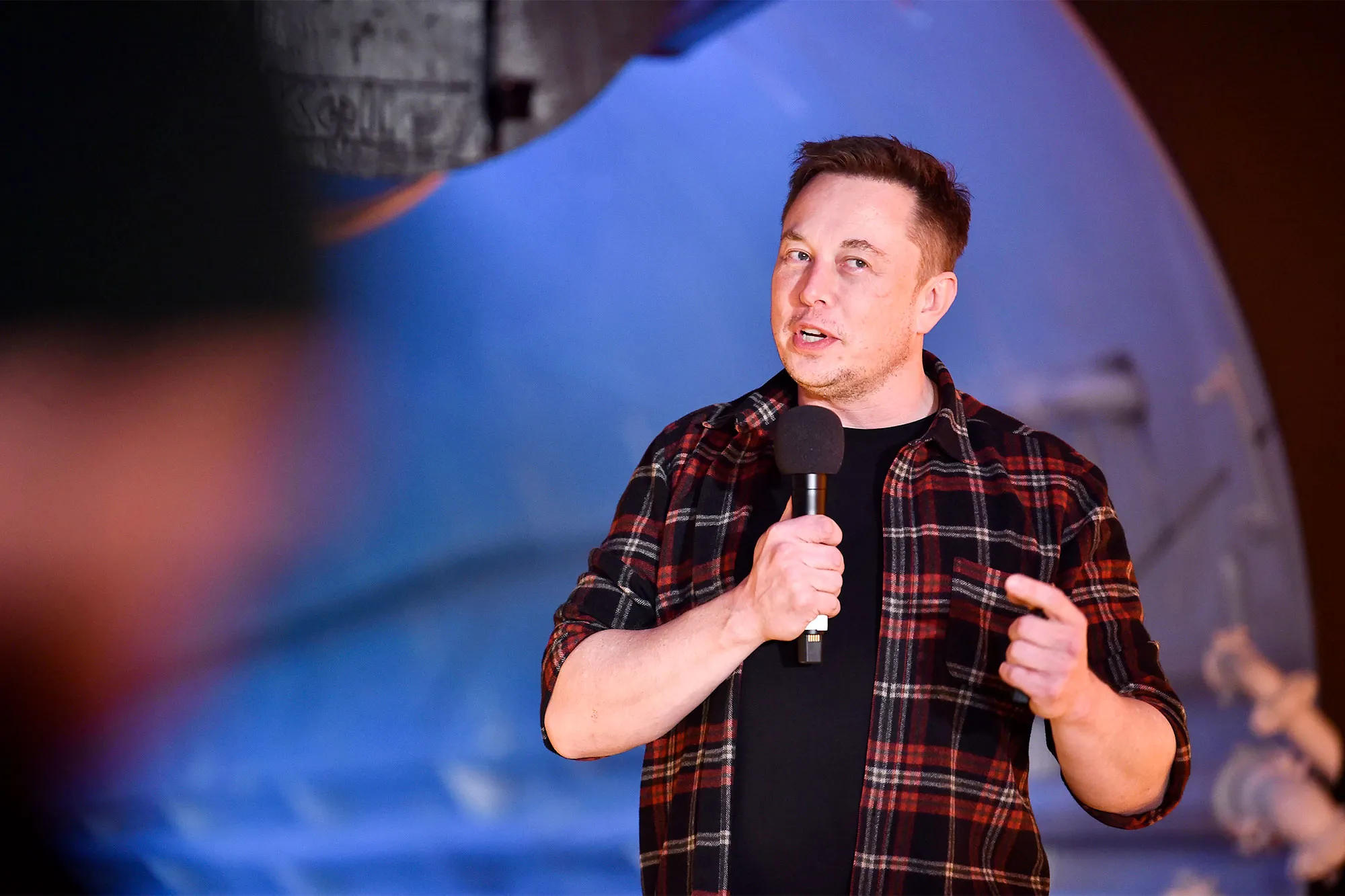
In 2022, the world witnessed one of the most talked-about acquisitions in tech history when Elon Musk, the CEO of Tesla and SpaceX, finalized his deal to buy Twitter, a major social media platform. This move by Musk, known for his bold and unconventional decisions, left many wondering: What does the future hold for Twitter under his leadership? Let’s take a deep dive into Elon Musk’s impact on Twitter, how his vision is reshaping the platform, and the challenges he faces along the way.
The Acquisition of Twitter: A Milestone
Elon Musk’s journey with Twitter began in early 2022, when he started purchasing shares of the company, eventually becoming its largest individual shareholder. Musk’s initial involvement in Twitter sparked excitement and curiosity about his plans for the platform. After expressing concerns about free speech and the platform’s censorship policies, he made an offer to buy Twitter outright for $44 billion.
After several months of negotiations, controversies, and legal battles, Musk’s acquisition was finalized in October 2022. Musk immediately set to work restructuring the platform, focusing on increasing transparency and redefining how Twitter operates. His leadership style, characterized by bold decision-making and frequent communication via Twitter itself, brought a fresh wave of attention to the social media giant.
Twitter Under Elon Musk’s Leadership
Since taking control of Twitter, Musk has implemented several major changes aimed at improving the platform’s user experience, security, and profitability. Here are some of the key changes Musk has introduced:
1. Focus on Free Speech and Content Moderation
One of Musk’s primary reasons for acquiring Twitter was to promote free speech. He has often criticized the platform’s content moderation policies, which he believes were overly restrictive. Musk has made it clear that he wants Twitter to be a “digital town square” where people can express their opinions freely without fear of censorship, as long as they do not violate laws or engage in harmful activities.
This has led to a more relaxed approach to moderating content, with Musk defending the idea of allowing controversial or unpopular views to be shared. However, this has also raised concerns about the spread of misinformation and harmful content, especially in a world where social media can have a profound impact on public opinion.
2. Introducing the “Twitter Blue” Subscription Service
One of Musk’s major revenue-generating ideas for Twitter is the Twitter Blue subscription service. The service offers users various features, such as a verification badge, additional customization options, and access to exclusive content. The idea is to create a more sustainable revenue stream for Twitter, which has historically relied on advertising income.
By introducing this service, Musk aims to reduce the platform’s dependence on advertisers while also giving users more control over their Twitter experience. However, the paid verification feature has sparked controversy, with critics arguing that it could lead to a situation where only wealthy individuals or organizations can afford to have a verified account.
3. Cutting Costs and Streamlining Operations
In true Musk fashion, Twitter underwent a significant downsizing after the acquisition. Musk implemented large-scale layoffs, cutting thousands of employees across various departments. This move was seen as a way to reduce costs and improve efficiency, though it sparked concerns about the company’s ability to maintain the quality of its services.
Despite the layoffs, Musk has also made efforts to streamline Twitter’s operations, focusing on automation and AI-driven tools to improve content moderation and user engagement. This aligns with Musk’s broader vision of using technology to make businesses more efficient and scalable.
4. Revamping the Algorithm and Transparency
Another area Musk has focused on is Twitter’s algorithm. Musk has advocated for making Twitter’s algorithm more transparent and open-source, so users can better understand how their feeds are curated. This move aligns with his belief in transparency and giving users more control over their experience.
By opening up the algorithm, Musk hopes to create a more user-centric platform, where people can choose the content they want to see instead of relying on a system controlled by hidden algorithms. This shift could lead to a more democratic experience for Twitter’s diverse user base.
The Challenges Ahead for Twitter
While Musk’s plans for Twitter have generated significant excitement, there are several challenges that the platform faces under his leadership:
1. Content Moderation and Misinformation
Musk’s stance on free speech has created tensions between him and critics who argue that a more lenient approach to content moderation could lead to the spread of harmful misinformation. The challenge for Twitter will be finding a balance between allowing free expression and preventing the spread of fake news, hate speech, and other harmful content.
2. Advertiser Concerns
Twitter’s advertising revenue has been a significant source of income for the platform. However, Musk’s changes to content moderation policies and his push for a more free-speech-friendly environment have caused some advertisers to reconsider their partnerships with the platform. Twitter’s ability to maintain its advertising revenue while shifting its business model remains to be seen.
3. User Trust and Engagement
As Twitter goes through these changes, maintaining user trust and engagement will be critical. Many users have expressed concern over Musk’s direction for the platform, and some have even threatened to leave the platform. Musk must ensure that the changes he implements do not alienate the platform’s core user base, which includes journalists, political figures, and activists.
Conclusion: A Bold Vision for the Future
Elon Musk’s acquisition of Twitter marks a new chapter in the history of social media. His focus on free speech, user empowerment, and innovation has set the stage for significant changes on the platform. While challenges remain, including concerns over content moderation and advertiser relations, Musk’s bold vision for Twitter is undoubtedly reshaping the way we think about social media. Whether Twitter thrives or struggles under Musk’s leadership will depend on his ability to navigate these challenges and stay true to his commitment to freedom of expression and transparency.
Leave a Reply