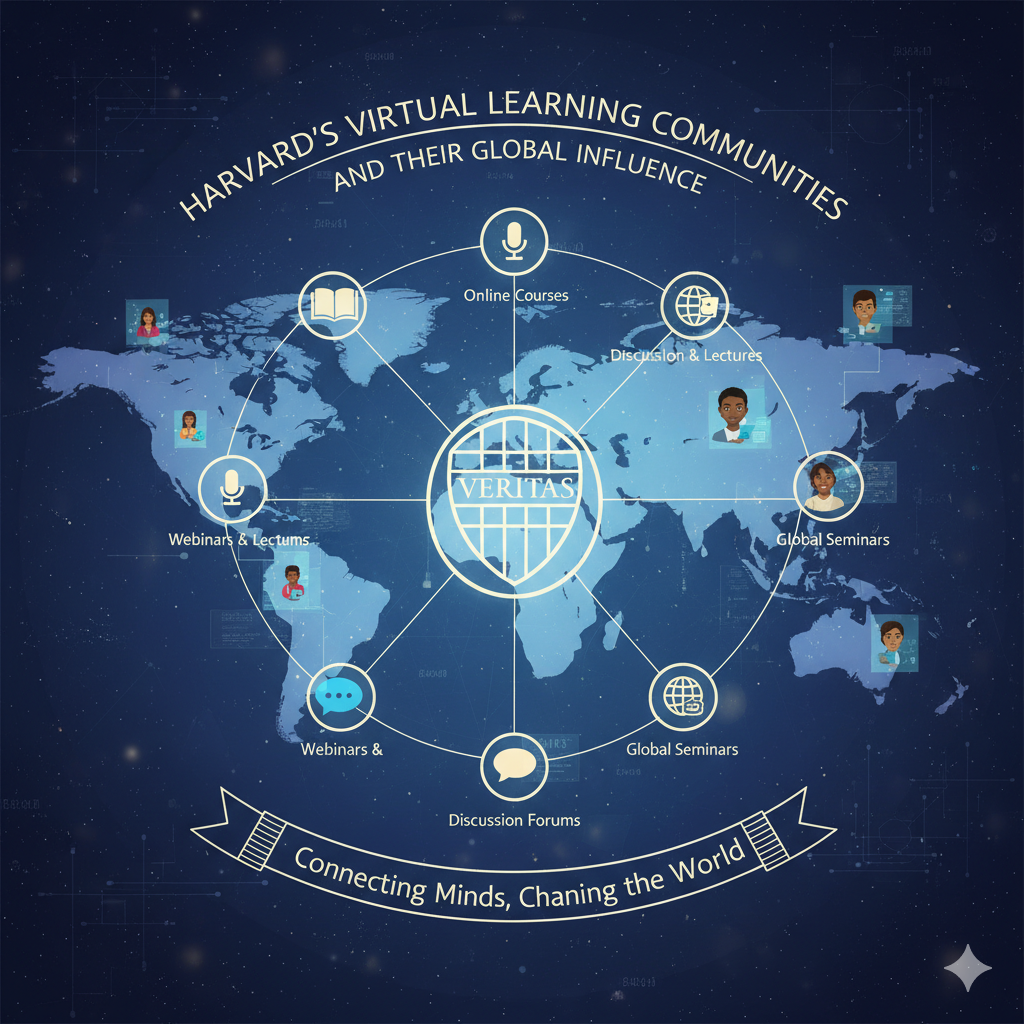
In the past decade, the landscape of education has undergone a digital transformation, and Harvard University has been at the forefront of this evolution. Through its virtual learning communities, Harvard has extended its classrooms far beyond Cambridge, Massachusetts, connecting learners from every continent. These online platforms represent not just the modernization of education, but the democratization of knowledge — making world-class instruction accessible to anyone with an internet connection.
What Are Harvard’s Virtual Learning Communities?
Harvard’s virtual learning communities are interactive online environments where students, educators, and professionals collaborate to explore academic topics, share insights, and solve real-world problems. These communities exist across multiple platforms, including Harvard Online Learning, HarvardX, and Harvard Extension School.
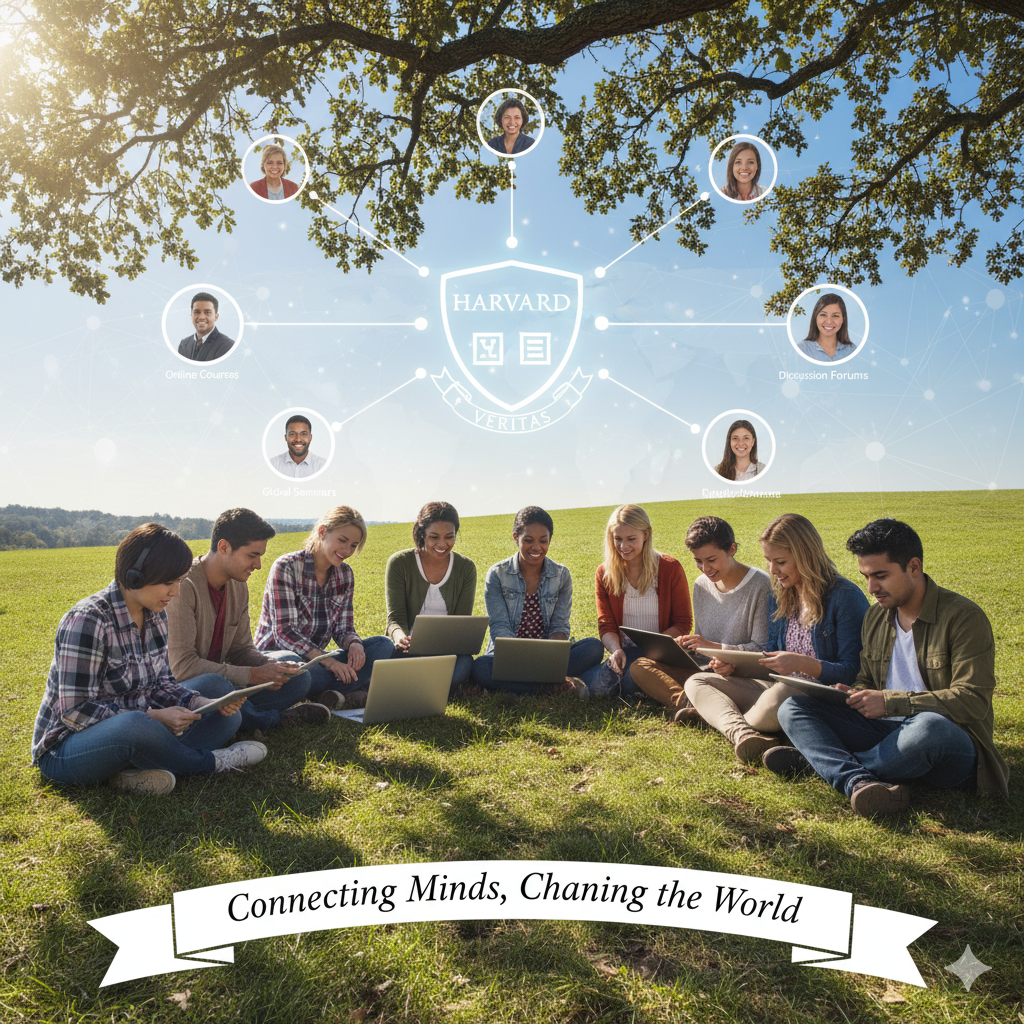
Unlike traditional online courses that focus solely on lectures and assignments, Harvard’s virtual communities emphasize peer interaction, group discussions, mentorship, and collaboration. Students are encouraged to participate in virtual seminars, forums, and study groups — creating an environment that mirrors the intellectual exchange found on campus.
A Global Classroom Without Borders
The most remarkable feature of Harvard’s online learning communities is their global reach. Learners from Asia, Africa, Europe, and the Americas come together in shared digital spaces. This international participation enriches every discussion, offering diverse perspectives and cultural insights that a traditional classroom might lack.
Through these platforms, students can engage in cross-cultural dialogue, network with professionals worldwide, and develop a deeper understanding of global issues such as sustainability, technology ethics, and healthcare innovation. The Harvard experience, once reserved for a select few, is now shared by millions of learners who bring unique viewpoints to the same virtual table.
Accessibility and Educational Equality
One of Harvard’s main goals in developing virtual learning communities is inclusivity. By offering free and affordable online courses through platforms like edX (HarvardX), the university ensures that financial barriers do not prevent access to quality education.
Courses in fields like computer science, public health, business management, and the humanities are available to anyone — regardless of background or geography. These programs empower students from developing nations to gain skills that improve employability and drive community development.
In this way, Harvard’s virtual learning communities contribute to educational equality, providing opportunities for lifelong learning to individuals who may never set foot on campus.
Interactive and Collaborative Learning Experience
Harvard’s online learning model is built on active engagement. Participants don’t just watch lectures — they interact with instructors and peers, complete real-world projects, and receive feedback from professionals.
Discussion boards, live Q&A sessions, and virtual breakout rooms simulate the experience of an on-campus seminar. Many programs include team-based projects, encouraging collaboration and problem-solving. This not only builds academic skills but also fosters digital communication and teamwork, essential competencies in today’s globalized workforce.
Technological Innovation and Learning Design
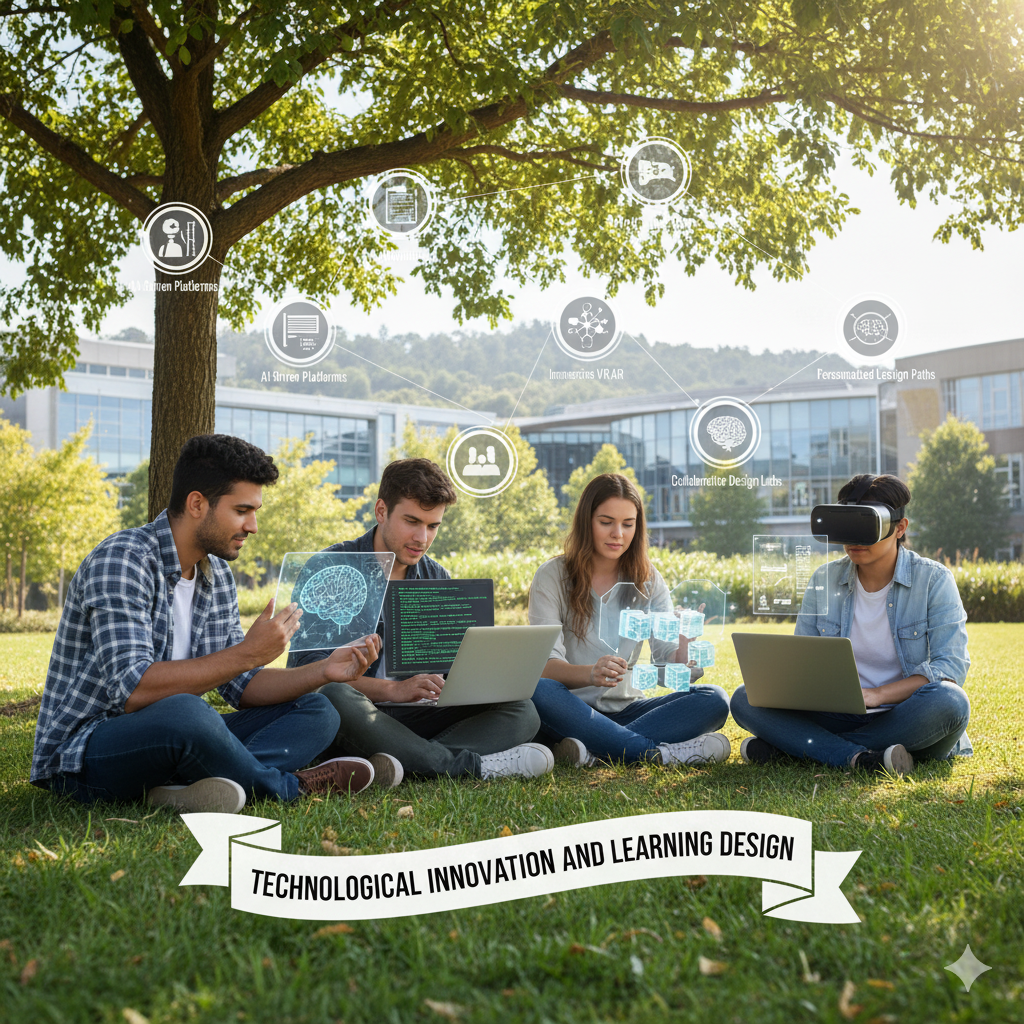
Behind Harvard’s successful virtual learning ecosystem is a strong focus on educational technology. The university invests heavily in creating digital tools that enhance learning outcomes.
These include:
- AI-based feedback systems that help assess student progress in real-time.
- Interactive simulations and virtual labs for hands-on learning in science and engineering.
- Data analytics to track learner engagement and improve course design.
By merging pedagogy with technology, Harvard sets new benchmarks for how virtual learning can be both rigorous and engaging.
Professional and Academic Networking
Another defining feature of Harvard’s online communities is the opportunity for networking. Students gain access to forums and alumni spaces where they can connect with global professionals, scholars, and entrepreneurs.
Many learners form long-term collaborations or mentorship relationships that extend beyond the course. This network of connections helps participants build professional credibility and opens doors to research opportunities, startups, and career advancement.
Thus, Harvard’s virtual learning communities don’t just offer education — they create pathways to global collaboration.
Influence on Global Education
The success of Harvard’s digital learning initiatives has inspired universities and institutions around the world. Many have adopted similar models of open online learning, emphasizing accessibility, interactivity, and global participation.
Moreover, the widespread availability of Harvard’s online resources has raised the overall standard for e-learning platforms. Educational institutions in developing countries have begun using Harvard’s course structures as blueprints to design their own digital programs, thereby strengthening local educational ecosystems.
The Future of Learning at Harvard and Beyond
As technology continues to evolve, Harvard’s virtual learning communities are poised to grow even more dynamic. With advancements in virtual reality, AI tutoring, and interactive learning analytics, the next generation of online education will be even more personalized and immersive.
Harvard’s commitment to innovation ensures that it will remain a global leader in shaping the future of education — not by confining knowledge within walls, but by sharing it with the world.
Conclusion
Harvard’s virtual learning communities have redefined what it means to learn and connect in the 21st century. By blending innovation, inclusivity, and global collaboration, Harvard has created a model that transcends geographical and socioeconomic boundaries. Its influence continues to ripple across the educational landscape, proving that when knowledge is shared freely, it has the power to transform lives everywhere.