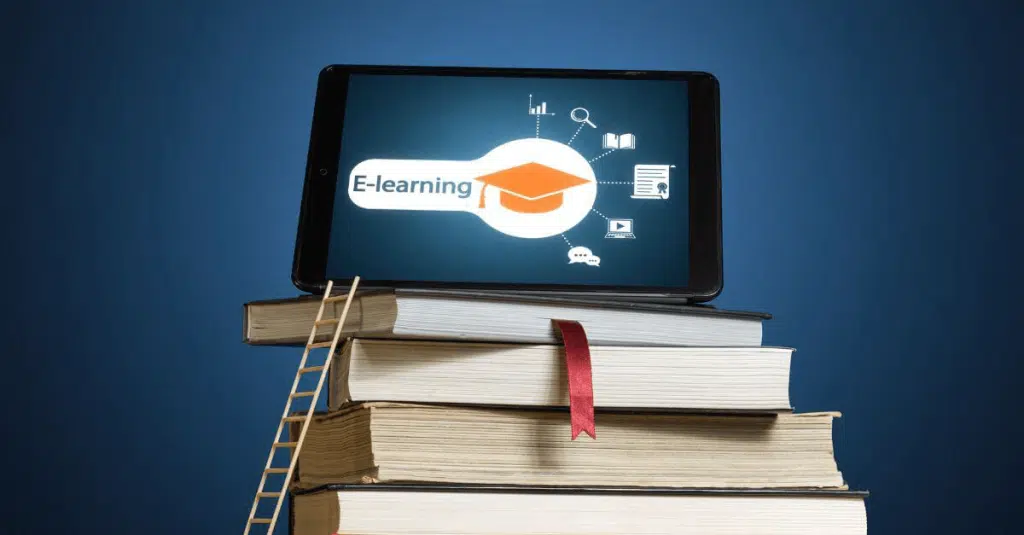
In 2026, online learning and skill development have become central to how people build their careers and adapt to a rapidly changing world. With the rise of digital platforms, flexible education, and emerging technologies, millions of learners are turning to online resources to gain new skills and stay competitive. From coding to digital marketing, the demand for practical, job-ready skills is at an all-time high.
The Growth of Online Learning Platforms
Online learning platforms have revolutionized education by making it accessible to everyone, regardless of location or financial background. Platforms like Coursera, Udemy, and edX offer thousands of courses across various fields.
These platforms allow learners to study at their own pace, making education more flexible than traditional classroom settings. Whether someone is a student, a working professional, or a freelancer, online courses provide an opportunity to upskill without disrupting daily routines.
Moreover, many of these platforms collaborate with top universities and companies, ensuring high-quality content and globally recognized certifications. This has increased trust in online education and encouraged more people to invest in skill development.
High-Demand Skills in 2026
The job market in 2026 is heavily influenced by technology, which has led to a surge in demand for digital skills. Some of the most popular skills include coding, data analysis, artificial intelligence, and cybersecurity.
In particular, knowledge of tools like ChatGPT and other AI technologies has become highly valuable. These tools are not only used in tech industries but are also being integrated into marketing, customer service, and education.
Digital marketing is another fast-growing field. Skills such as search engine optimization (SEO), social media management, and content creation are in high demand. Businesses are increasingly relying on online presence, which has created numerous opportunities for skilled professionals.
Freelancing skills are also trending. Platforms like Fiverr and Upwork enable individuals to offer services globally. This has opened doors for people to earn online by leveraging their skills.
The Role of Short Courses and Certifications
Short courses and micro-certifications have become a popular choice for learners who want quick results. Unlike traditional degrees, these courses focus on specific skills and can be completed in a matter of weeks or months.
Certifications from recognized platforms can enhance a person’s resume and improve job prospects. Employers are increasingly valuing practical skills over formal degrees, especially in fields like IT and digital marketing.
Additionally, many companies now offer internal training programs and encourage employees to take online courses. This trend highlights the importance of continuous learning in today’s professional environment.
Flexibility and Accessibility
One of the biggest advantages of online learning is its flexibility. Learners can access course materials anytime, anywhere, using smartphones, tablets, or laptops. This is particularly beneficial for people in remote areas or those with busy schedules.
Affordable pricing is another factor contributing to the popularity of online education. Many platforms offer free courses or financial aid, making learning accessible to a wider audience.
Furthermore, online communities and discussion forums allow learners to interact with instructors and peers, creating a collaborative learning environment. This helps in better understanding and practical application of concepts.
Challenges in Online Learning
Despite its many benefits, online learning also comes with challenges. One of the main issues is the lack of discipline and motivation among learners. Without a structured environment, some individuals struggle to complete courses.
Another concern is the credibility of certain certifications. While many platforms are reputable, not all courses are recognized by employers. Therefore, learners need to carefully choose the right platform and course.
Additionally, the digital divide remains a challenge in some regions, where access to reliable internet and devices is limited.
The Future of Skills and Education
The future of education is closely tied to technology and innovation. Online learning is expected to become even more advanced with the integration of artificial intelligence, virtual reality, and personalized learning systems.
AI-powered tools can analyze a learner’s progress and recommend customized study plans, making education more efficient. Virtual reality can provide immersive learning experiences, especially in fields like medicine and engineering.
As industries continue to evolve, the demand for new skills will keep changing. This makes lifelong learning essential for career growth and stability.
Conclusion
Online learning and skill development have transformed the way people approach education in 2026. With the availability of flexible platforms, high-demand skills, and global opportunities, individuals now have more control over their learning journey.
Whether it’s mastering a new technology, starting a freelance career, or improving job prospects, online education offers endless possibilities. As the digital world continues to grow, staying updated with the latest skills will be the key to success in the modern workforce.
Leave a Reply