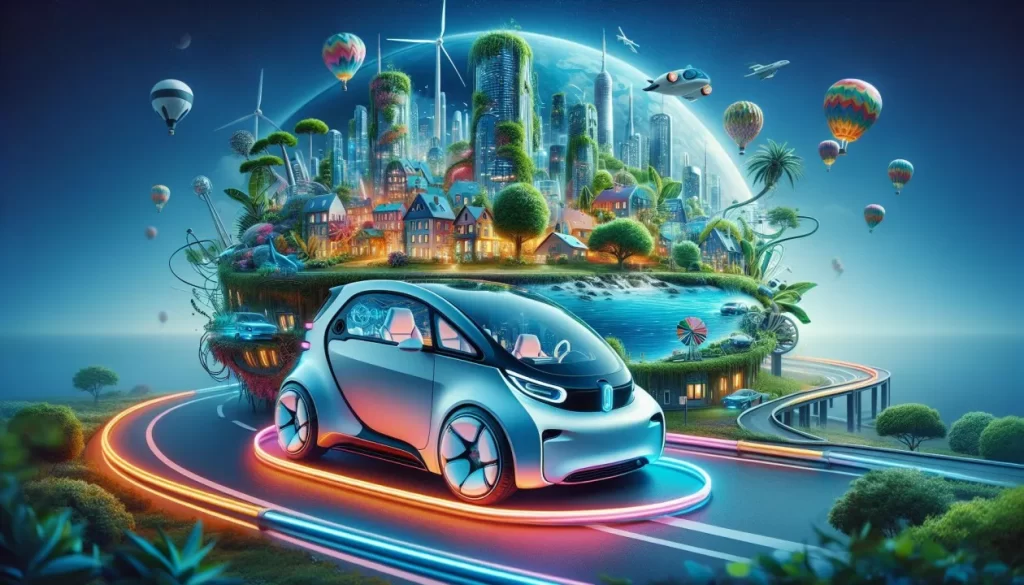
The global transportation industry is undergoing a massive transformation, and electric vehicles (EVs) are at the center of this change. As concerns about climate change, fuel costs, and environmental sustainability continue to grow, EVs are emerging as a practical and forward-thinking solution. From personal cars to public transportation systems, the shift toward electric mobility is shaping the future of how people and goods move across the world.
What Are Electric Vehicles?
Electric vehicles are automobiles powered by electricity instead of traditional fossil fuels like petrol or diesel. They use rechargeable batteries and electric motors, which produce zero tailpipe emissions. This makes EVs a cleaner alternative to conventional vehicles, helping reduce air pollution and greenhouse gas emissions.
There are several types of EVs, including:
- Battery Electric Vehicles (BEVs), which run entirely on electricity
- Plug-in Hybrid Electric Vehicles (PHEVs), which combine electricity with a fuel engine
- Hybrid Electric Vehicles (HEVs), which use both systems but do not require external charging
Why Electric Vehicles Are Trending Globally
The rise of electric vehicles is not just a trend—it’s a global movement. Governments, businesses, and consumers are all contributing to the rapid adoption of EVs. One major reason is the urgent need to combat climate change. Transportation is one of the largest sources of carbon emissions, and switching to electric mobility significantly reduces environmental impact.
Another key factor is the rising cost of fuel. EVs offer a more cost-effective alternative in the long run, as electricity is generally cheaper than petrol or diesel. Additionally, EVs have fewer moving parts, which means lower maintenance costs.
Technological advancements are also driving the popularity of EVs. Modern electric cars offer longer battery life, faster charging, and improved performance. Many EVs now have ranges comparable to traditional vehicles, making them more practical for everyday use.
The Role of Governments and Policies
Governments around the world are actively promoting electric vehicles through incentives and regulations. These include tax benefits, subsidies, and investments in charging infrastructure. Some countries have even announced plans to phase out internal combustion engine vehicles in the coming decades.
Such policies are encouraging both manufacturers and consumers to transition toward cleaner transportation options. As a result, many automotive companies are investing heavily in EV production and innovation.
Future Transport: Beyond Electric Cars
The future of transportation goes far beyond just electric cars. It includes a combination of advanced technologies designed to make mobility smarter, safer, and more efficient.
1. Autonomous Vehicles:
Self-driving cars are being developed to reduce human error and improve road safety. These vehicles use artificial intelligence, sensors, and cameras to navigate without human intervention.
2. Smart Public Transport:
Electric buses, trains, and shared mobility systems are becoming more common in urban areas. These systems aim to reduce traffic congestion and pollution while improving accessibility.
3. Flying Vehicles and Urban Air Mobility:
Although still in early stages, flying taxis and drones are being tested as part of future transport solutions. They could revolutionize travel in crowded cities.
4. Connected Infrastructure:
Future transport systems will rely on smart infrastructure, where vehicles communicate with traffic signals, roads, and other vehicles to optimize traffic flow and enhance safety.
Challenges Facing Electric Vehicles
Despite their advantages, electric vehicles still face some challenges. One of the biggest issues is charging infrastructure. In many regions, charging stations are not yet widely available, making long-distance travel difficult.
Battery production and recycling also raise environmental and economic concerns. Additionally, the initial cost of EVs can be higher than traditional vehicles, although prices are gradually decreasing as technology improves.
The Future Outlook
The future of electric vehicles and transportation looks promising. As technology continues to evolve, EVs are expected to become more affordable, efficient, and accessible. Charging networks will expand, battery technology will improve, and new innovations will further enhance the driving experience.
Businesses are also adapting to this shift by developing electric delivery fleets and sustainable logistics solutions. Meanwhile, consumers are becoming more environmentally conscious, driving demand for greener transportation options.
Conclusion
Electric vehicles are not just a temporary trend—they represent a fundamental shift in the way the world approaches transportation. With growing environmental awareness, supportive government policies, and rapid technological advancements, EVs are paving the way for a cleaner and smarter future.
As we move forward, the integration of electric vehicles with autonomous technology, smart infrastructure, and innovative mobility solutions will redefine transportation as we know it. Embracing this change is essential for building a sustainable and efficient global transport system.
Leave a Reply