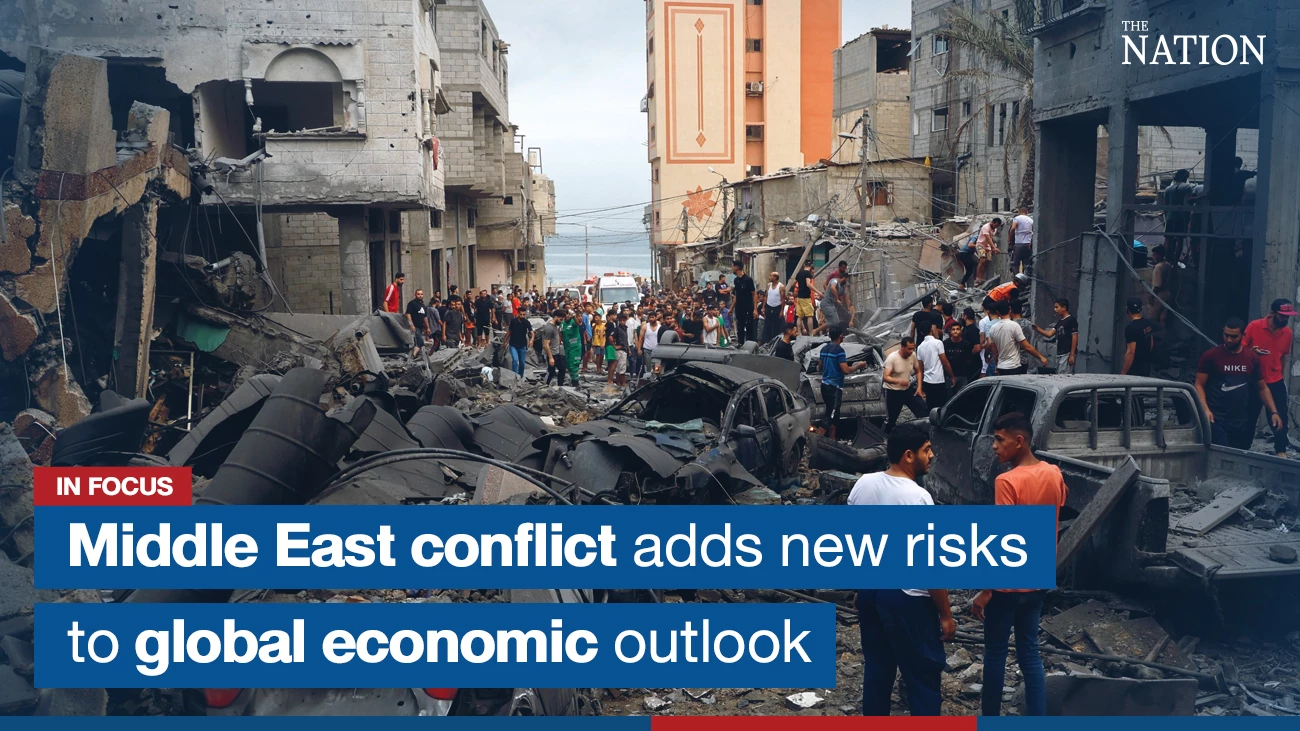
The Middle East conflict and global economy are closely connected in today’s world. Any political tension or war in the Middle East quickly affects oil prices, trade, and financial markets across the globe. This region plays a crucial role in supplying energy resources, making it highly influential in shaping the global economic landscape.
What is the Middle East Conflict?
The Middle East has faced ongoing conflicts due to political instability, territorial disputes, and power struggles among regional and global actors. Countries in this region hold significant strategic importance because of their natural resources, especially oil and gas. As a result, even small conflicts can have major global consequences.
How Middle East Conflict Affects the Global Economy
1. Impact on Oil Prices
One of the biggest effects of Middle East conflict is on oil prices. The region produces a large share of the world’s oil. When conflict disrupts supply or creates uncertainty, oil prices rise rapidly. Higher oil prices increase transportation and production costs, which leads to inflation worldwide.
2. Disruption of Global Trade Routes
The Middle East is home to important shipping routes such as the Strait of Hormuz and the Red Sea. These routes are vital for global trade. Conflicts can block or threaten these routes, causing delays and increasing shipping costs. This directly impacts international businesses and supply chains.
3. Financial Market Instability
Global financial markets are highly sensitive to geopolitical tensions. During Middle East conflicts, investors often shift their money to safer assets like gold. This causes stock markets to fluctuate and creates uncertainty in the global economy.
4. Increase in Military and Government Spending
Countries involved in or affected by the conflict increase their defense budgets. This reduces spending on development sectors such as education, healthcare, and infrastructure, slowing down economic growth.
5. Refugee Crisis and Economic Pressure
Conflicts in the Middle East often lead to large-scale migration. Neighboring countries and even European nations face economic pressure due to increased demand for housing, jobs, and public services.
Long-Term Effects on the Global Economy
The long-term impact of Middle East conflict includes shifts in global trade policies, energy diversification, and new economic alliances. Many countries are now investing in renewable energy to reduce dependence on Middle Eastern oil. This shift could reshape the global economy in the future.
Future Outlook
The future of the global economy largely depends on stability in the Middle East. Peace and cooperation in the region can lead to stable oil prices, secure trade routes, and stronger economic growth worldwide. On the other hand, continued conflict may result in inflation, economic uncertainty, and slower global development.
Conclusion
In conclusion, the Middle East conflict and global economy are deeply interconnected. From rising oil prices to disrupted trade and financial instability, the effects are widespread. Understanding this relationship is essential for policymakers, businesses, and individuals to prepare for economic challenges and opportunities in the future.
Leave a Reply