
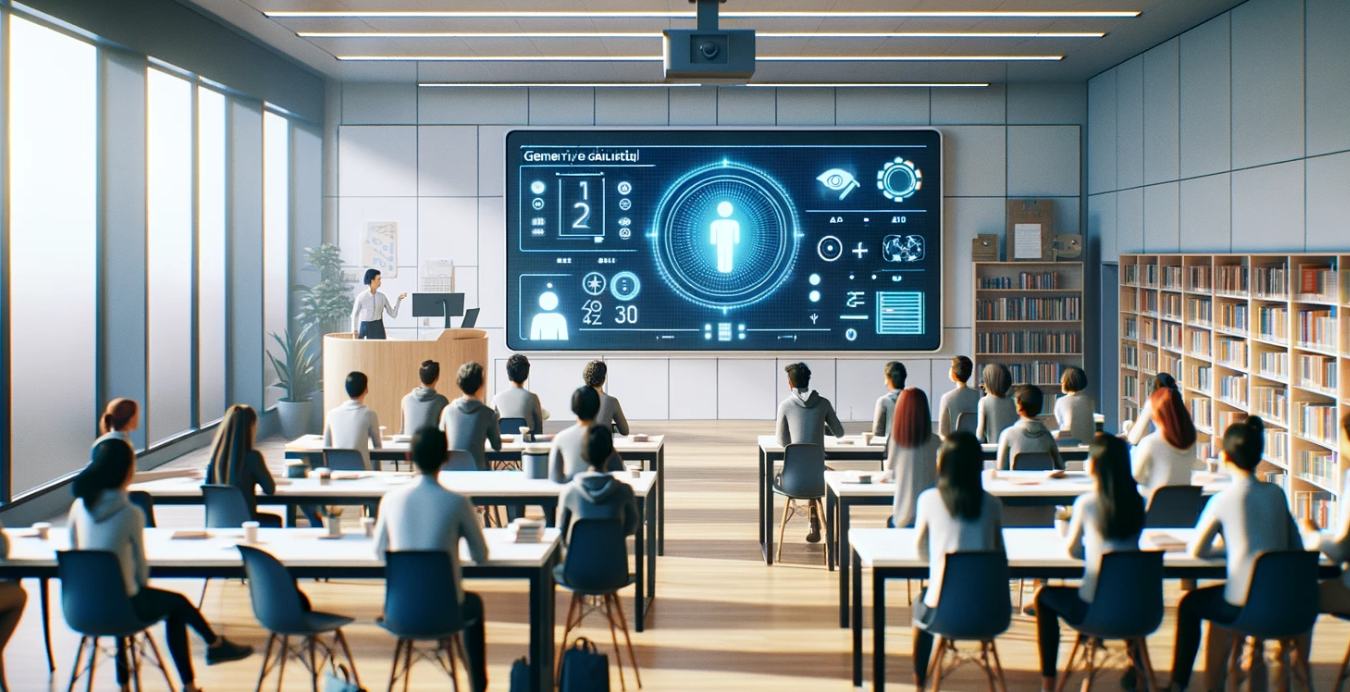
Artificial Intelligence (AI) is transforming education across the world at an unprecedented pace. From intelligent tutoring systems to automated grading tools, AI is reshaping the way students learn and teachers teach. As digital technologies continue to advance, educational institutions are adopting AI-driven solutions to improve learning outcomes, increase accessibility, and prepare students for the future workforce. The global rise of AI in education reflects not only technological innovation but also a shift toward more personalized and efficient learning experiences.
One of the most important contributions of AI in education is personalized learning. Traditional classrooms often follow a one-size-fits-all approach, where every student is expected to learn at the same pace. However, students have different abilities, interests, and learning styles. AI-powered educational platforms analyze student performance and adapt lessons according to individual needs. For example, if a student struggles with mathematics, the system can provide additional exercises and explanations until the concept is understood. On the other hand, advanced learners can move ahead without waiting for the rest of the class. This customized approach helps improve student engagement and academic achievement.
AI is also helping teachers reduce their workload. Educators spend a significant amount of time grading assignments, preparing lesson plans, and managing classroom activities. AI tools can automate many of these repetitive tasks, allowing teachers to focus more on teaching and student interaction. Automated grading systems can evaluate multiple-choice tests and even analyze written responses using natural language processing. Additionally, AI-based scheduling and administrative systems improve school management by organizing data efficiently and reducing human error.
Another major advantage of AI in education is increased accessibility. In many developing countries, access to quality education remains a challenge due to shortages of teachers, learning materials, and infrastructure. AI-powered applications can bridge this gap by providing online learning opportunities to students in remote areas. Virtual tutors and educational chatbots are available 24/7, offering assistance outside traditional classroom hours. Furthermore, AI technologies such as speech recognition and text-to-speech tools support students with disabilities, making education more inclusive for everyone.
The COVID-19 pandemic accelerated the adoption of AI and digital learning technologies worldwide. During school closures, millions of students relied on online platforms for education. AI played a key role in maintaining learning continuity through virtual classrooms, adaptive learning software, and automated support systems. This experience demonstrated the importance of technology in modern education and encouraged governments and institutions to invest more heavily in AI-based educational infrastructure.
Higher education institutions are also embracing AI for research and innovation. Universities use AI to analyze student data, predict academic performance, and identify students who may need additional support. AI-driven career guidance systems help students choose suitable academic paths and employment opportunities based on their strengths and interests. In research fields, AI enables faster data analysis and problem-solving, contributing to scientific and technological advancements.
Despite its many benefits, the rise of AI in education also presents challenges and concerns. One major issue is data privacy. AI systems collect and analyze large amounts of student information, raising questions about how this data is stored and protected. Educational institutions must ensure that student data remains secure and is used ethically. Another concern is the digital divide. While developed countries may have access to advanced AI technologies, many low-income regions still lack reliable internet access and digital devices. This inequality can widen the educational gap between different communities and nations.
Additionally, some educators worry that excessive reliance on AI could reduce human interaction in classrooms. Teachers play an essential role not only in delivering knowledge but also in providing emotional support, motivation, and social development. AI should therefore be viewed as a tool that supports teachers rather than replaces them. Maintaining a balance between technology and human connection is crucial for effective education.
Governments and international organizations are recognizing the growing importance of AI in education. Many countries are developing national AI strategies to integrate technology into schools and universities. Investments in digital literacy, teacher training, and technological infrastructure are increasing globally. International cooperation is also promoting the exchange of ideas and best practices for responsible AI implementation in education systems.
In conclusion, the global rise of Artificial Intelligence in education is revolutionizing learning and teaching methods worldwide. AI offers personalized learning, improved accessibility, administrative efficiency, and innovative educational opportunities. Although challenges such as data privacy, inequality, and reduced human interaction must be addressed, the potential benefits of AI in education are enormous. As technology continues to evolve, AI is likely to become an even more important part of education, helping students and teachers adapt to the demands of the modern world.










Leave a Reply