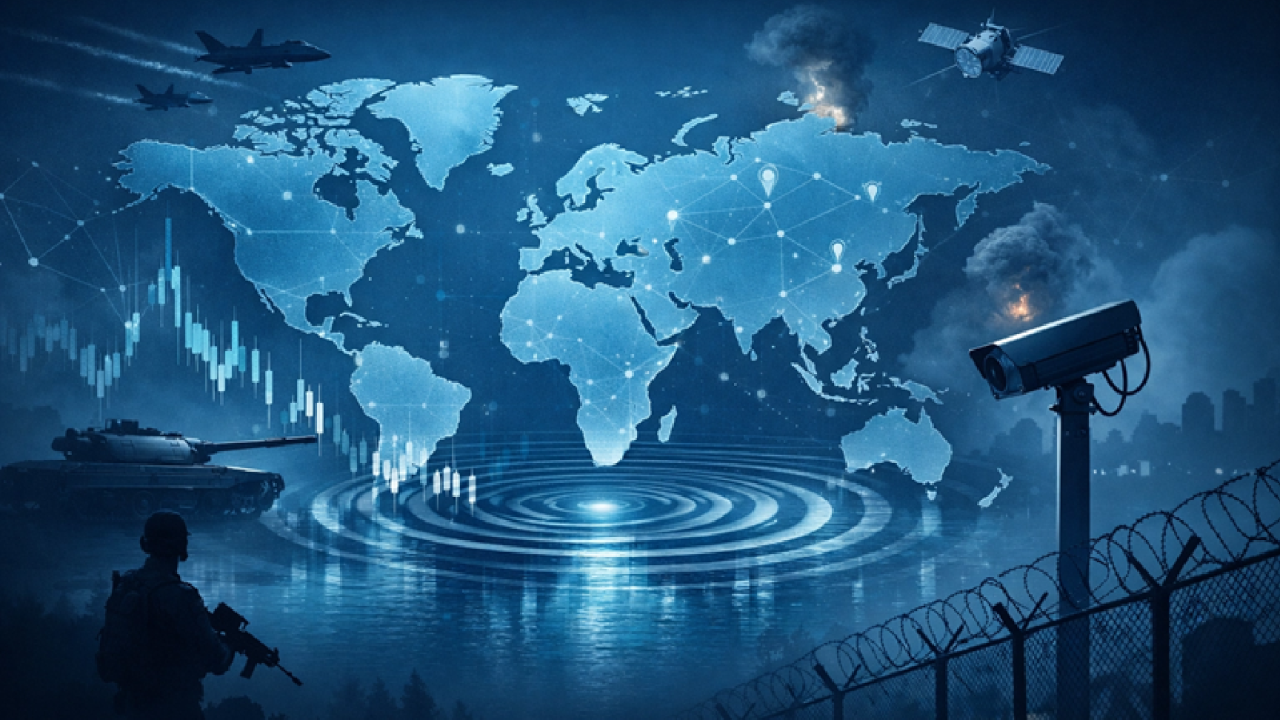
In today’s interconnected world, geopolitics and global tensions play a critical role in shaping international relations, economic stability, and global security. As countries compete for power, resources, and influence, the world is experiencing a complex mix of cooperation and conflict. In 2026, geopolitical dynamics are more important than ever, affecting everything from trade and technology to energy and defense.
What Is Geopolitics?
Geopolitics refers to how geography, politics, and economics influence the relationships between countries. It involves the study of power struggles, alliances, and conflicts on a global scale. Governments use geopolitical strategies to protect national interests, expand influence, and maintain security.
Key factors in geopolitics include:
- Geographic location and natural resources
- Economic strength and trade relations
- Military power and defense strategies
- Political systems and international alliances
Understanding geopolitics helps explain why countries cooperate in some areas while competing in others.
Major Causes of Global Tensions
Global tensions arise from a variety of sources, often interconnected and complex. One major cause is competition for natural resources such as oil, gas, and rare minerals. As demand for these resources increases, countries may come into conflict over access and control.
Another key factor is economic rivalry. Major global powers are competing for dominance in trade, technology, and investment. Trade disputes, tariffs, and sanctions are common tools used in these rivalries.
Political differences and ideological conflicts also contribute to tensions. Countries with different governance systems or values may clash over issues such as human rights, democracy, and global policies.
The Role of Technology in Geopolitics
Technology has become a central element in modern geopolitics. Nations are investing heavily in areas such as artificial intelligence, cybersecurity, and space exploration. This has led to a new form of competition often referred to as “technological rivalry.”
Cybersecurity threats, including hacking and data breaches, are increasing. Governments are strengthening digital defenses to protect sensitive information and critical infrastructure.
In addition, control over advanced technologies can provide strategic advantages, making innovation a key factor in global power.
Regional Conflicts and Global Impact
Regional conflicts continue to influence global stability. Disputes over borders, political control, and resources can escalate into larger crises, affecting neighboring countries and international relations.
These conflicts often lead to humanitarian issues such as displacement, economic disruption, and loss of life. They can also impact global markets, particularly in energy and trade sectors.
International organizations and diplomatic efforts play a role in managing and resolving conflicts, but solutions are often complex and long-term.
Economic and Trade Tensions
Global trade is another area where tensions are evident. Countries impose tariffs, restrictions, and sanctions to protect their economies or pressure rivals. While these measures may serve short-term goals, they can disrupt global supply chains and increase costs for businesses and consumers.
Economic alliances and trade agreements are also evolving as nations seek to strengthen partnerships and reduce dependence on competitors.
The Importance of Alliances
Alliances are a key aspect of geopolitics. Countries form partnerships to enhance security, economic cooperation, and political influence. Military alliances, trade blocs, and international organizations help nations work together on shared goals.
However, alliances can also contribute to tensions, especially when rival groups compete for influence. Balancing cooperation and competition is a constant challenge in global politics.
The Future of Global Relations
The future of geopolitics is likely to be shaped by a combination of competition and collaboration. Emerging powers are gaining influence, creating a more multipolar world where no single country dominates.
Issues such as climate change, global health, and economic stability will require international cooperation. At the same time, competition in technology, resources, and military power will continue to drive tensions.
Diplomacy, innovation, and strategic partnerships will play a crucial role in maintaining global stability.
Conclusion
Geopolitics and global tensions are defining features of the modern world. As countries navigate complex relationships and competing interests, the balance between conflict and cooperation remains delicate.
Understanding these dynamics is essential for individuals, businesses, and governments alike. By recognizing the forces shaping global relations, we can better prepare for the challenges and opportunities of the future.
Leave a Reply